

Oracle Identity Cloud Service (IDCS) is a comprehensive security and identity platform on the Cloud to manage users and protect application on-premise as well as on Cloud.
This Post covers, Steps by Steps Hands-On Guides that you must perform to Learn Oracle Identity Cloud Service (IDCS).
If you are new to IDCS, I would highly recommend you to check our post on Oracle Identity Cloud Service (IDCS) Overview & Concepts (Click here) & Cloud Security Using Identity Cloud Service (Click here)
Here’s the Quick Sneak Peek of What You should do on your Cloud Account for Oracle Identity Cloud Service.
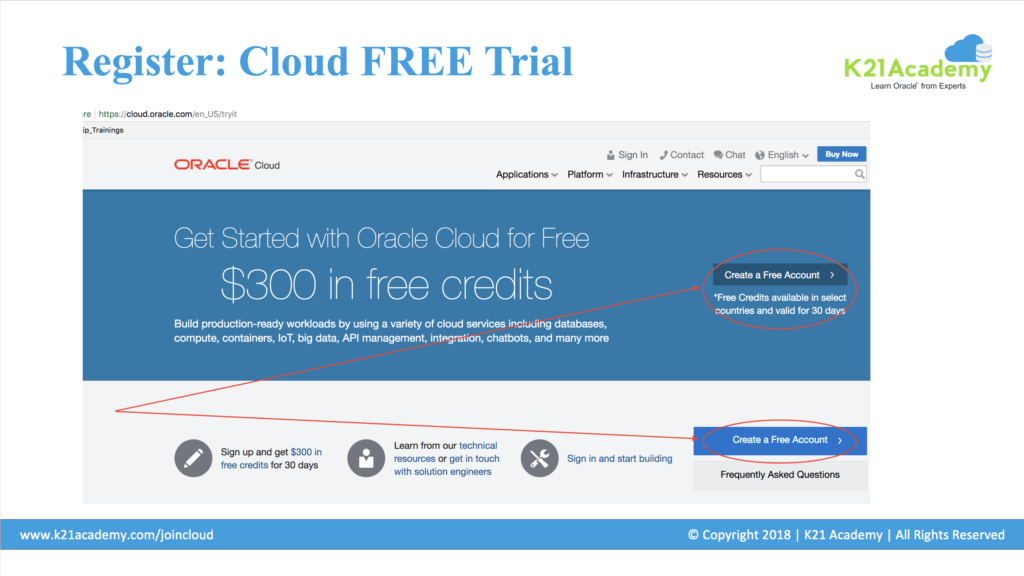
1. Lab Activity I: Register for Free Oracle Cloud Account
The first thing you must do is to get a Free Account for Oracle Cloud (You get 300 USD FREE Credit that must be used within 30 Days). You can get this free guide from https://k21academy.com/1z016001.
For IDCS you only Perform the steps from section 1 to section 5 (skip section 6 to section 9).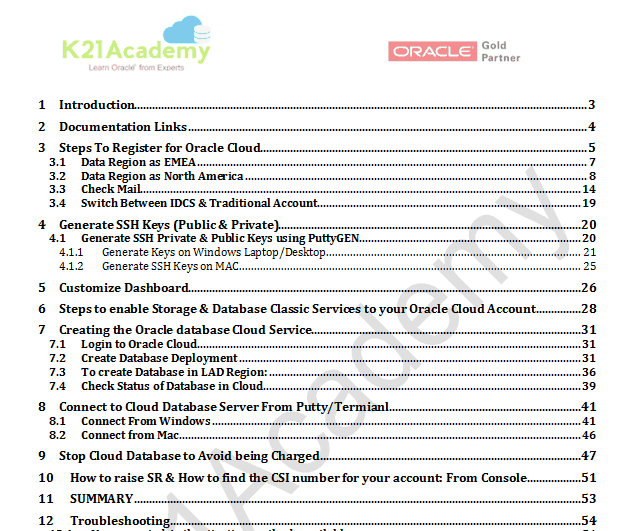
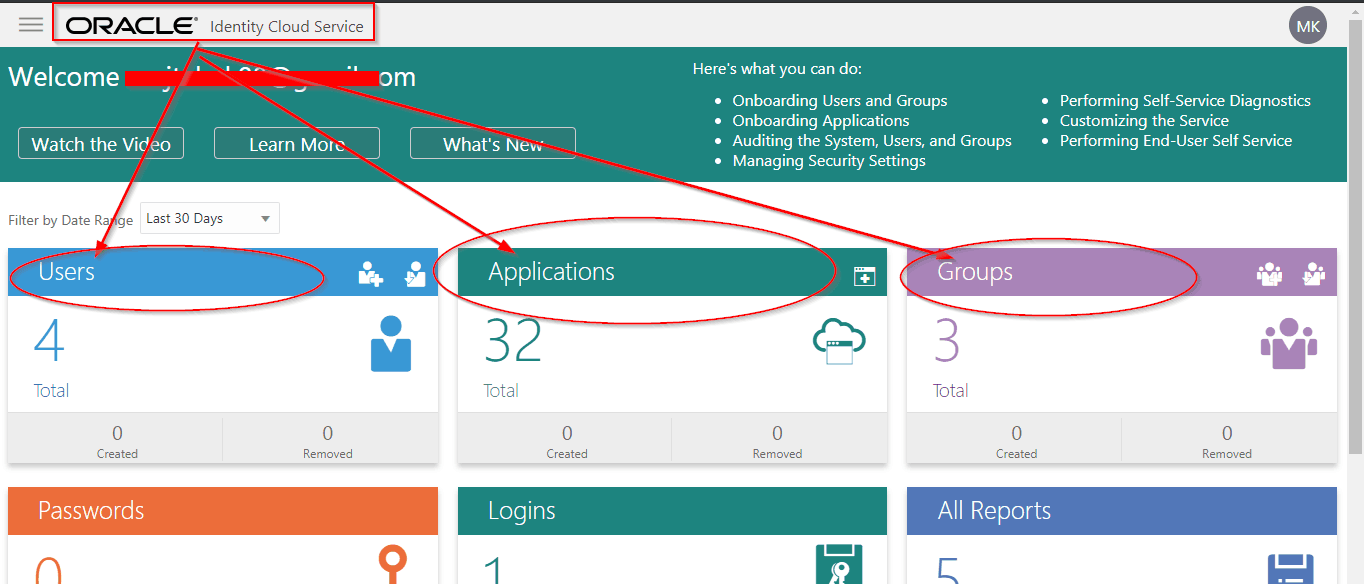
2. Lab Activity II: IDCS Console Walkthrough and Create Users, Groups & Application
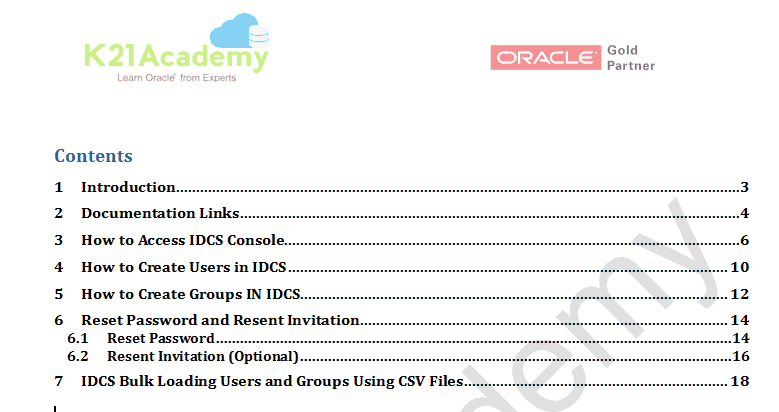
Once you have your own Cloud account you should know how to access the IDCS Console. you should learn how to Create Users, Groups & Application in IDCS. If you have forgotten the password how you can reset it and send the invitation to E-mail etc.
 3. Lab Activity III: IDCS Application Catalog (Amazon Web Services)
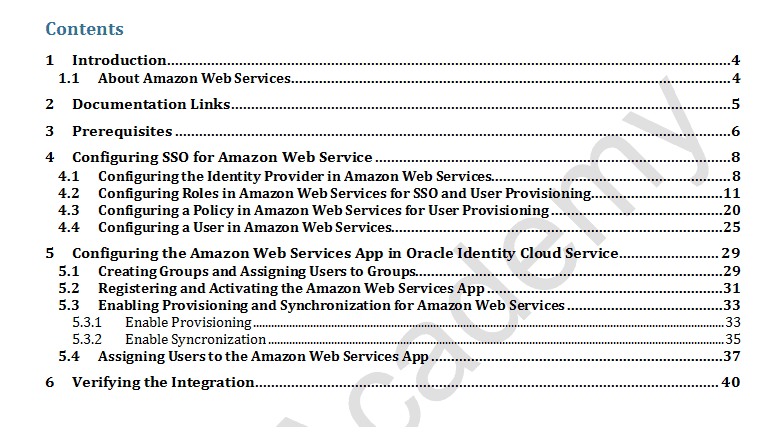
Then after Creating Users, Groups & Application in IDCS, you should know how to Configure Single Sign-On (SSO) using SAML in Identity Cloud Service. In IDCS there are various Catalog Applications which you can integrate to provide SSO. In our training, we have used an example of Amazon Web service.
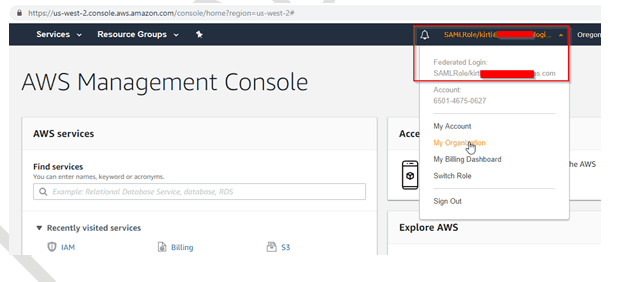
4. Lab Activity IV: Customizing & Branding in IDCS
Every Organization wants to change default look and feel that come with login page, notification template, password policy etc. you must know how to customize these things in IDCS.
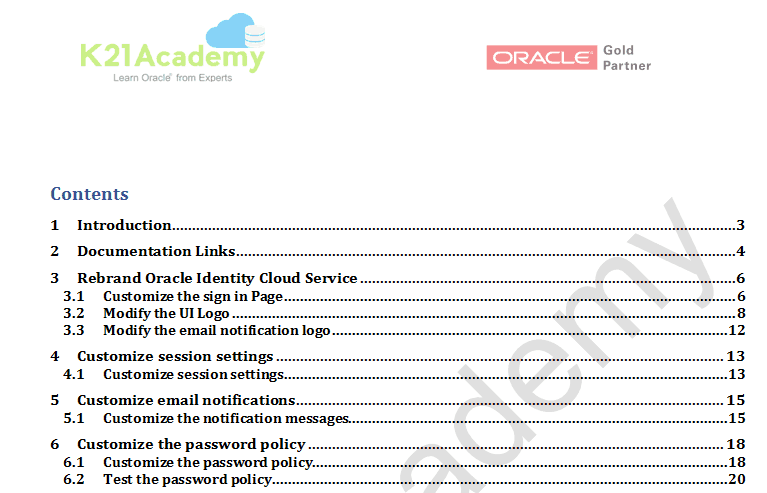
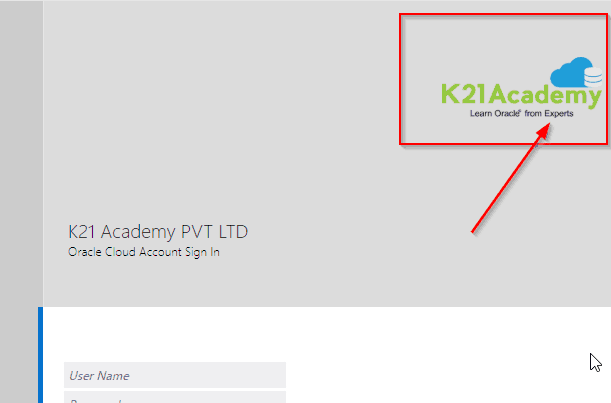
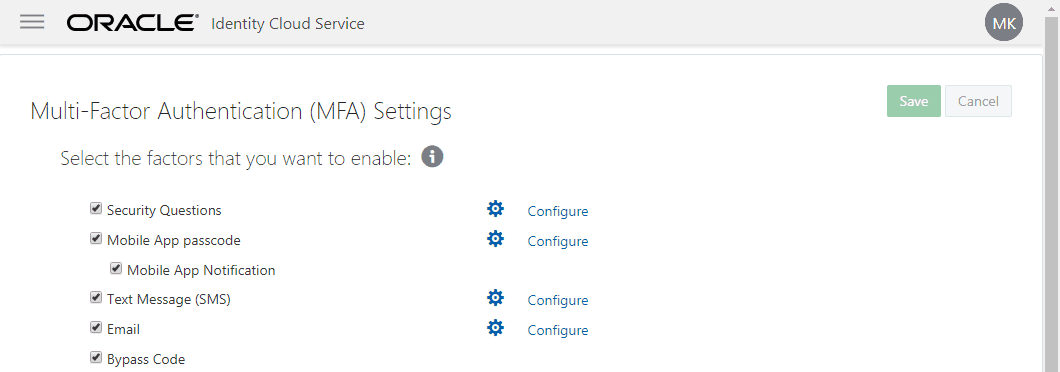
5. Lab Activity V: IDCS Multi-Factor Authentication (MFA)
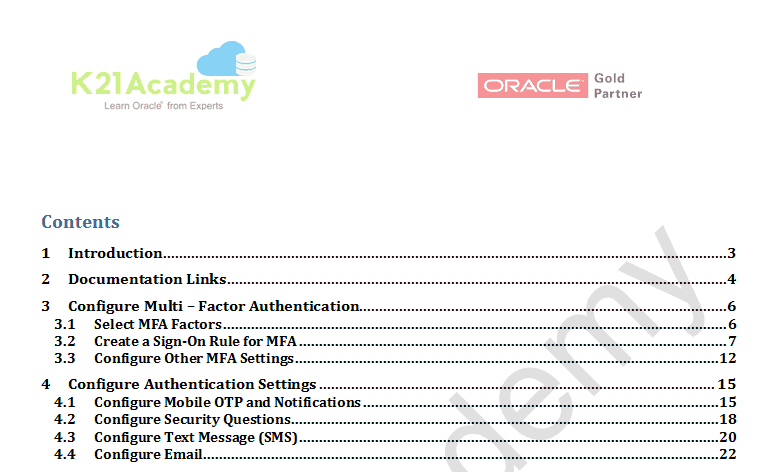
For sensitive applications like financial, Companies implement more than one authentication. This process is called as MultiFactor Authentication (MFA).
To know more about How to configure Multifactor Authentication (MFA) check our previous post on Configuring Multi-Factor Authentication (MFA).
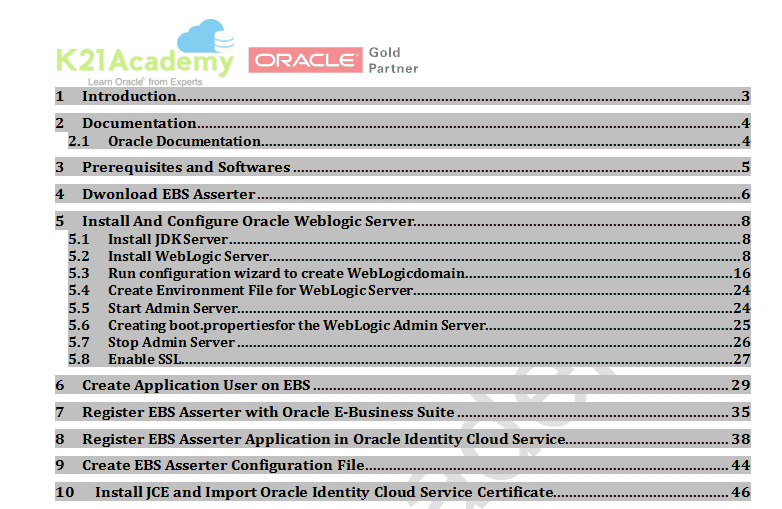
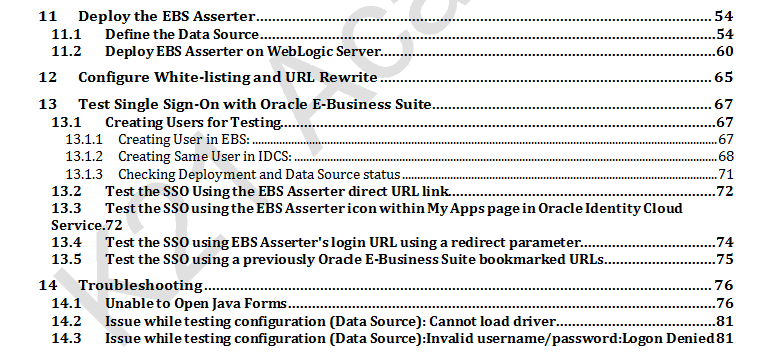
 6. Lab Activity VI: Integrate IDCS with Oracle EBS R12
You should know how Integrate Business Applications like Oracle EBS (R12) with Oracle Identity Cloud Service (IDCS) for Single Sign-On (SSO).
To know more about EBS (R12) Integration with Identity Cloud Service (IDCS) https://k21academy.com/ebsidcs11
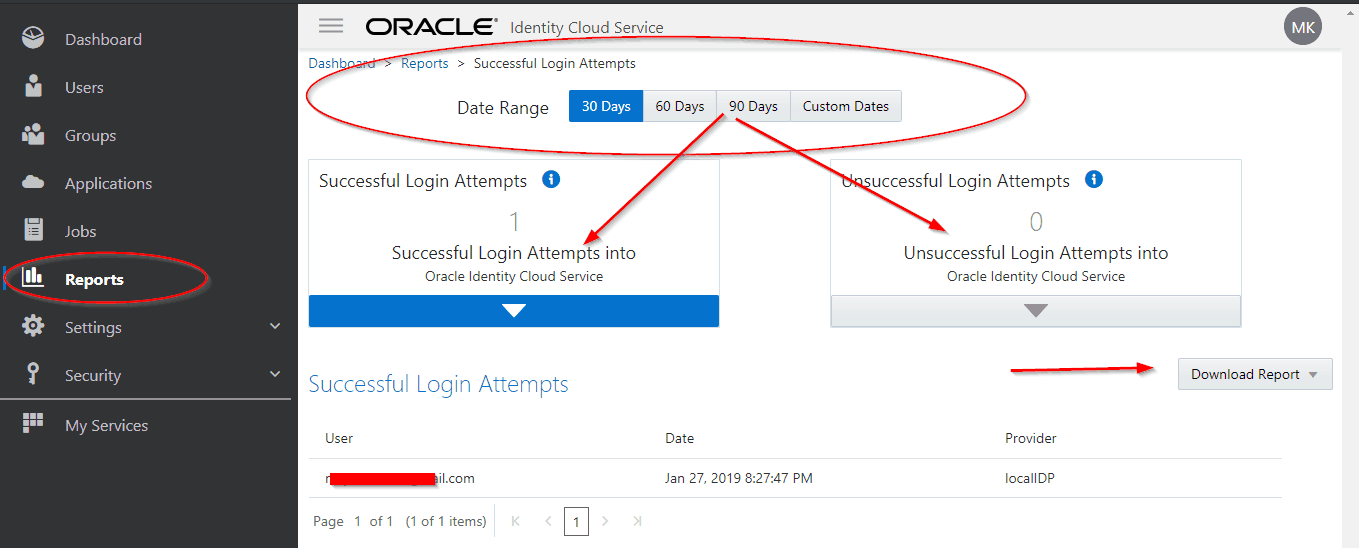
7. Lab Activity VII: IDCS Auditing Users, Groups, and Applications
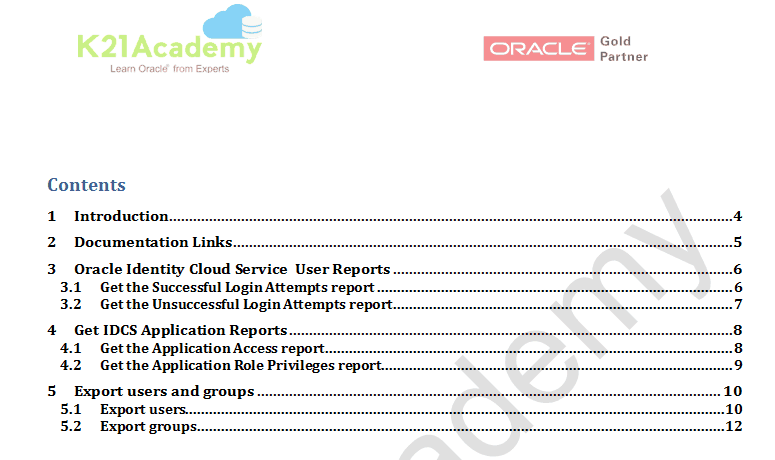
IDCS Audit gives you the facility to get the reports of logged in users, failed attempts, who changed what and when etc.
IDCS also provides application access report, role privileges report & export users and groups.
You must learn and do these activity guides as part of Oracle Cloud Security & Identity Cloud Service Training
8. Lab Activity VIII: Oracle Identity Cloud Service: REST API Call
The Oracle Identity Cloud Service enables you to securely manage your resources, including identities and configuration data through Rest APIs. In Rest API you should know how to register to Cloud application, get token access and perform the Rest API.
Next Task for You
Download our 7 Docs free Guide to becoming an Expert in Oracle Identity Cloud Service(IDCS) for Security & Identity Administrator.
Click on the below image to download the guide:


![Microsoft Agentic AI Business Solutions Architect [AB-100] | K21 Academy](https://test.k21academy.com/wp-content/uploads/2025/11/Microsoft-Agentic-AI-Business-Solutions-Architect-AB-100-Exam-Overview1.png)