



Oracle Cloud Pay As You Go (PAYG) model lets you quickly provision services with no commitment, and you’re only charged for what service you use. There is no upfront commitment and no minimum service period. Any cloud infrastructure (IaaS) and platform (PaaS) services consumed are metered and billed based on that consumption.
In this blog, we will cover:
- Billing Models Offered by Oracle
- PAYG Overview
- Why PAYG
- How to move a free tier Oracle Cloud Account to Paid Account-Pay As You Go.
Billing Models Offered by Oracle
Oracle offers the following types of billing/subscription models:
- Annual Universal Credits: Oracle Annual Universal Credits allows customers to have the flexibility to use any Oracle Cloud Infrastructure and platform services at any time, in any region, and to deliver faster time to market.
- Monthly Universal Credit: You are billed in advance for the committed amount based on the payment terms of your contract. The subscription is for 12 months. The 12-month period begins on the day that you receive your account activation email unless otherwise specified in your order.
- Universal Credits, Pay As You Go: Pay for only what you use.
- Bring Your Own License (BYOL): Oracle offers BYOL as a billing option for some Oracle PaaS services, which allow you to leverage your existing Oracle software licenses on Oracle Cloud.
- Oracle Cloud at Customer: A subscription to Oracle Cloud at Customer consists of both a hardware subscription and a software subscription. Both are required to run Oracle Cloud in your data center.
- Government Subscriptions: Oracle offers the Government purchase model, designed specifically for government customers. This purchase model enables government customers to buy resources for each service separately and access only those services they have purchased.
Oracle Cloud Pay As You Go Model
Pay as you Go means Pay Per Usage or pay for only what you use. Most of the customers want to pay for what services they used. For those customers, Oracle Cloud has Pay As You Go method. Where customers can change their Oracle Cloud account into Pay as you Go.
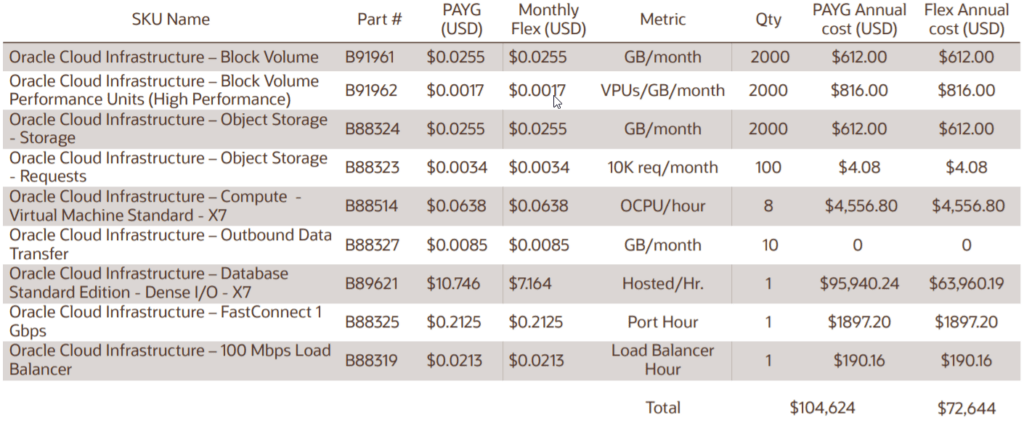
There are two different ways of Pay As You Go Model, How it works:
1. You can put down some amount of money in advance and this money is decreased as you use the service.
For example, Credits are purchased for a fee. As credits are used, the remaining number of credits get decreases. Once the credits get to zero, you can no longer use the service until you purchase more credits.
In this version of the Pay As You Go, the Cloud account provider you’re purchasing the service from can choose if there’s also a time limit associated with the purchase.
2. In an Oracle Cloud, the model is usually offering IaaS, PaaS.
This model Produced bills for outsourced services by the user, transaction, time in use, peak period, or some other subscription metric. It is delivered through the cloud.
This model is totally usage-based where Users will pay a minimal setup charge, the usage fee, and costs for service and support.
Also Check: Our blog post on Oracle Data Guard.
Why choose Pay As You Go Model
There are some benefits :
- A smaller barrier to entry
- No commitment
- Better cost-per-usage
A customer doesn’t need to commit to a prescribed plan and gets charged on a monthly basis. They just pay once for a product or service and then start using it. It works well for products that are needed infrequently.
Consumers don’t have to make a commitment upfront and can budget accordingly. Think of the differences between viewing a movie on Netflix versus renting one from Redbox.
Because the customer is paying when they want the product, this model helps businesses manage their cost-per-use. It also allows for better tracking of what sells and what doesn’t. Instead of going all-in with a product suite, the true revenue generators are able to stand out.
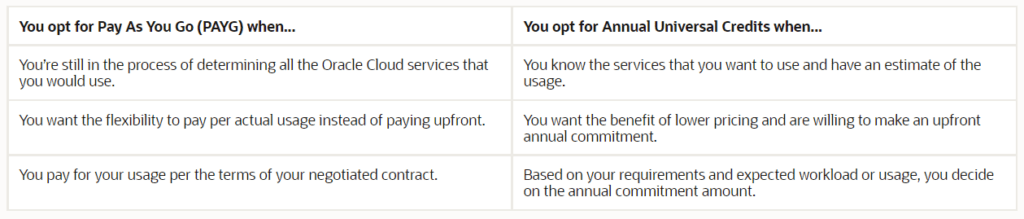
PAYG vs Annual Universal Credits Payment Plans
Move Trail account into Pay as you Go from the console: Step by Step
Step 1: Register & Log in to the Oracle free Cloud account.
Note: First, you should have an Oracle Free Cloud Account and if you don’t have one, then you can register FREE using my step-by-step video & guide that I covered in episode 30. You can get it by visiting here.
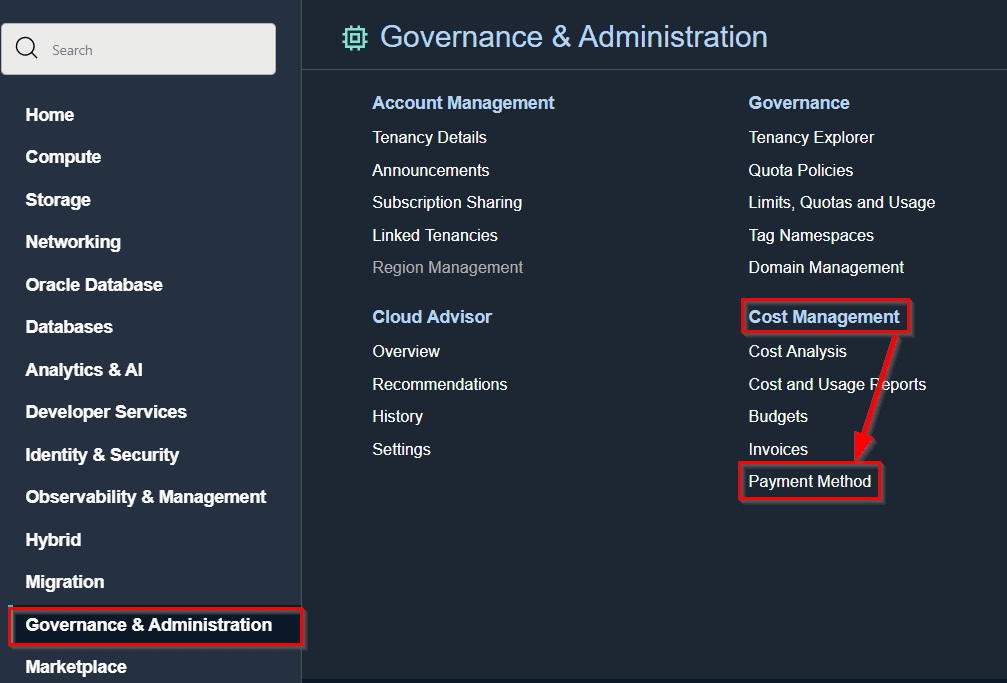
Step 2: Open the Navigation menu, go to Governance & Administration, Under Cost Management Click on Payment Method.
 Step 3: Once you click on Payment Method, You can see Two options of payment to begin your paid Oracle Cloud Account.
Select Pay As You Go option.
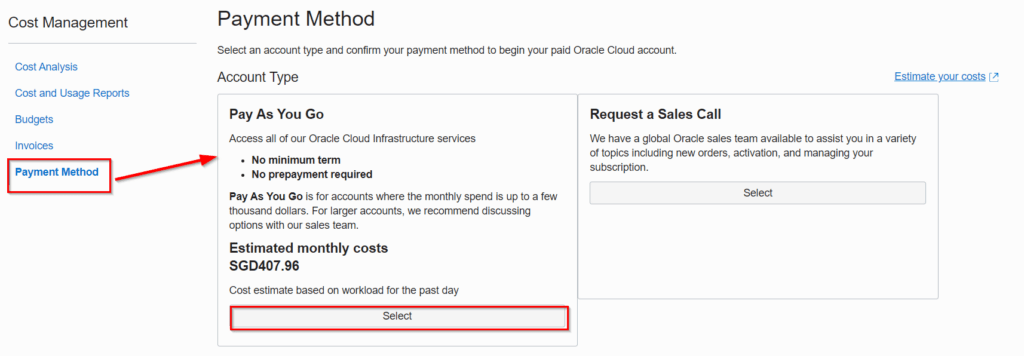
Step 4: Once you click on the select button, Add payment method option is available.
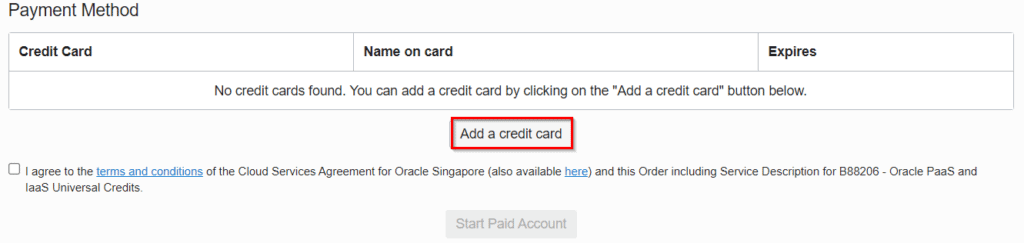
Step 5: Fill out all the details and click on the Finish button.
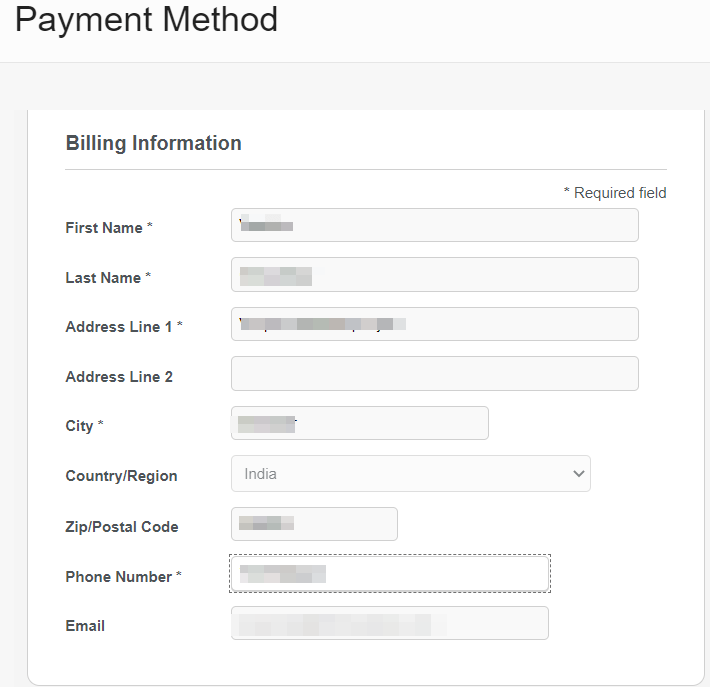
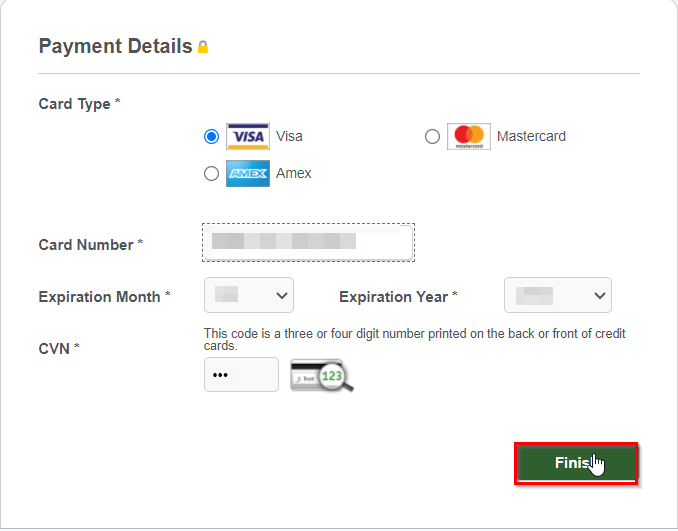
After completing all the steps it takes some time for moving your trial account into a paid account in Pay As you Go model. Once the Start paid account Button is available, click on this and start your paid account.
Frequent Asked Questions
Q: How are Oracle Universal Credits consumed?
A: Customers consume their Universal Credits by creating services. The rate of consumption (burn-down) is specified in the price list. Oracle Universal Credits must be used during the service period and will expire at the end of that yearly credit period; any prepaid unused amounts are nonrefundable and are forfeited at that time.
Q: What is the minimum term for an Oracle Universal Credit agreement?
A: A 12-month minimum with advance billing, debited monthly based on your actual usage. Annual credits must be used within the applicable 12-month credit period.
To read more, check the link.
References
- Pricing model in Oracle Cloud(OCI)
- Top 10 Reason to choose Oracle Cloud
- Oracle OCI vs OCI – C: IaaS from Oracle
- Oracle Pricing list
- Database Patching In Oracle Cloud: Step By Step
- Oracle Enterprise Manager (OEM)13c On Cloud For Beginners
- [Solved] Container Database Set Up Incorrectly With Error ORA-65101 For Hybrid DR
Next Task For You
If you want to upgrade your career from an Oracle DBA to Oracle Cloud DBA, and wants to clear Oracle Cloud Database Service Specialist[1Z0-1093-21] & Oracle Cloud Autonomous Database Certification[1Z0-931-21] with 18 Hands-On labs, then register for a FREE class, and don’t miss an opportunity to gain a plethora of insights on becoming a certified Oracle Cloud DBA.


![Microsoft Agentic AI Business Solutions Architect [AB-100] | K21 Academy](https://test.k21academy.com/wp-content/uploads/2025/11/Microsoft-Agentic-AI-Business-Solutions-Architect-AB-100-Exam-Overview1.png)


