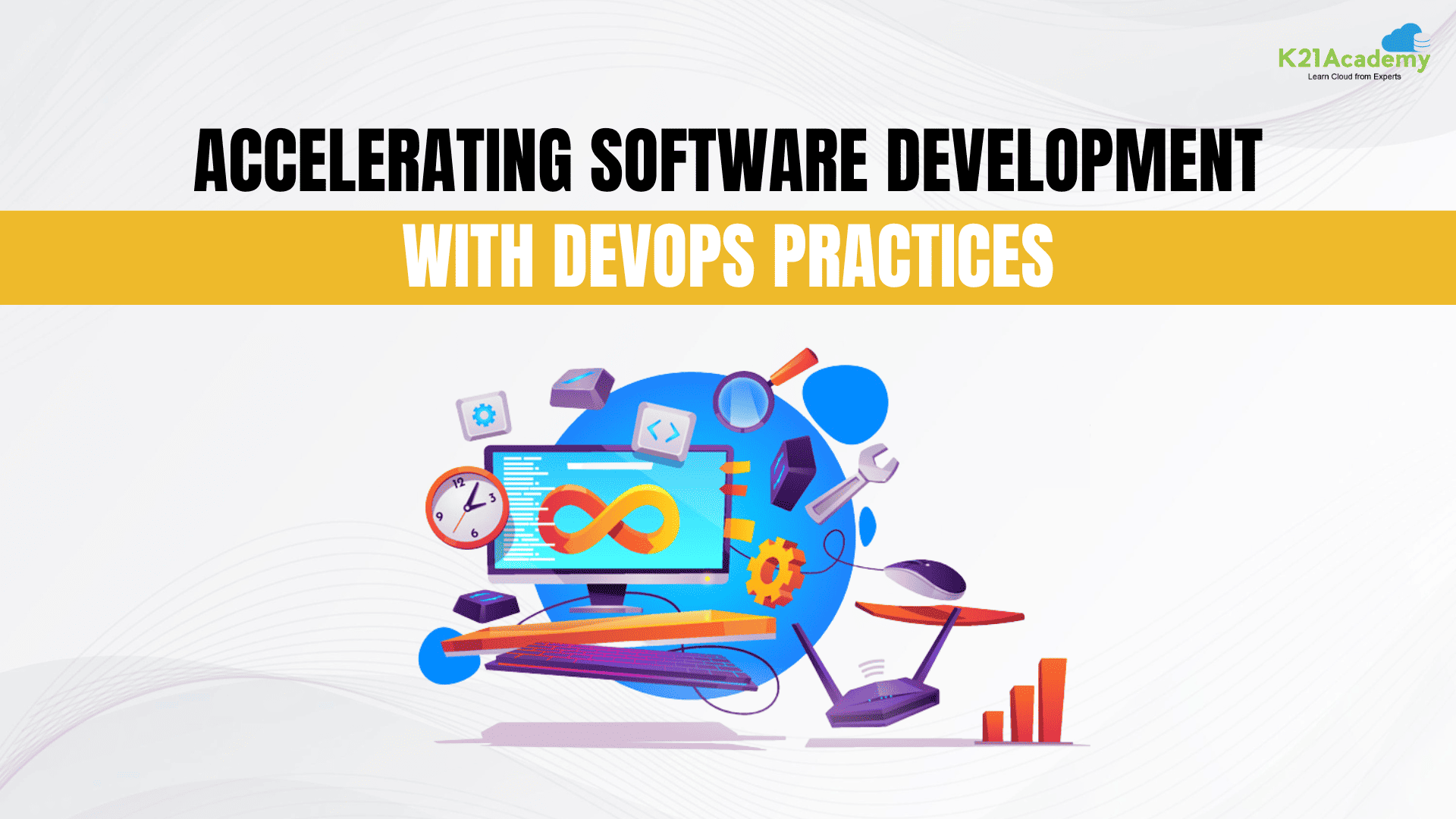




In today’s fast-paced digital landscape, the demand for rapid software development and deployment is higher than ever. Businesses need to innovate quickly to stay competitive, but they also need to ensure the quality, security, and compliance of their software products. This is where DevOps practices come into play, offering a solution to accelerate the software development lifecycle (SDLC) while maintaining governance and control.
In this blog post, we will cover,
- DevOps and Evolution of Software Development Practices
- Continuous Integration and Its Influence on SDLC
- DevOps and SDLC Security: Shifting Left
- Release Management in the DevOps Era
- Advantages of DevOps Over Traditional Software Development
- DevOps and SDLC Governance: Balancing Speed and Control
- Conclusion
DevOps and Evolution of Software Development Practices
1. DevOps Principles:
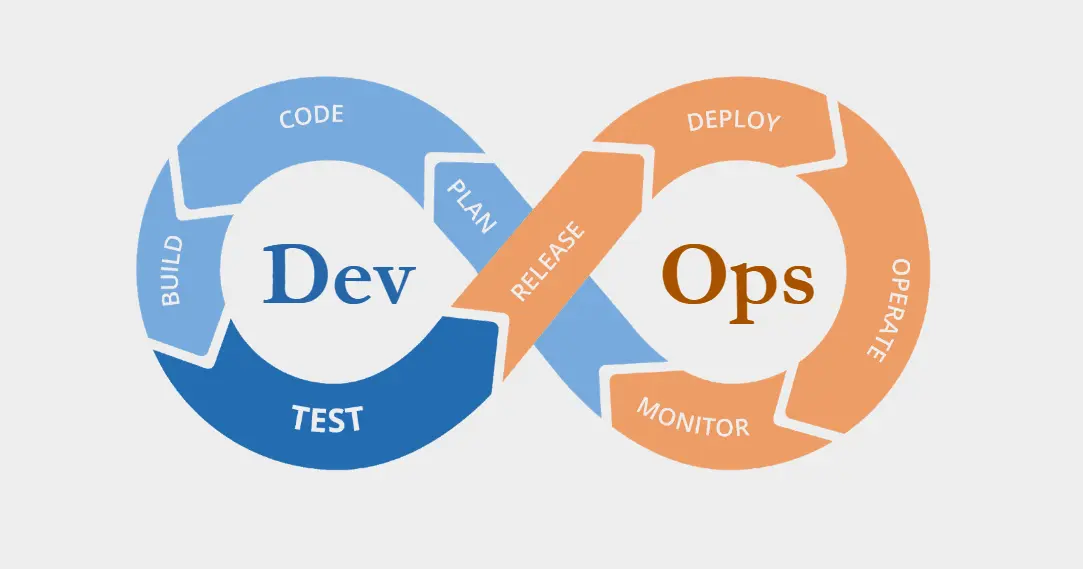
DevOps is not just a set of tools or practices; it’s a cultural shift that emphasizes collaboration, automation, and continuous improvement across development, operations, and quality assurance teams. By breaking down silos and fostering a culture of shared responsibility, DevOps enables organizations to deliver high-quality software at speed.
2. Accelerating Software Development with DevOps:
DevOps practices such as continuous integration (CI), continuous delivery (CD), infrastructure as code (IaC), and automated testing play a crucial role in accelerating software development. CI/CD pipelines automate the build, test, and deployment processes, reducing manual errors and enabling developers to release code changes frequently and reliably. IaC automates infrastructure provisioning, enabling teams to spin up and tear down environments on-demand, further speeding up development cycles.
3. Challenges of Speed Without Control:
While DevOps enables rapid software delivery, organizations must not overlook the importance of governance and control. Without proper oversight, speed can lead to compliance issues, security vulnerabilities, and unreliable software. For example, rapid changes deployed without proper testing and validation can result in bugs or regressions slipping into production, leading to customer dissatisfaction and reputational damage.
Also Read: What is DevOps ?
Continuous Integration and Its Influence on SDLC
Continuous Integration (CI) is a software development practice where members of a team integrate their work frequently, usually multiple times a day. Each integration is verified by automated build and test processes to detect integration errors as quickly as possible. CI is a crucial aspect of modern software development and has a significant influence on the Software Development Life Cycle (SDLC) in several ways:
- Early Detection: Frequent code integration in CI catches bugs early, saving debugging time later.
- Faster Feedback: Automated CI processes provide rapid feedback, speeding up development iterations.
- Improved Collaboration: CI fosters teamwork with a shared codebase, reducing conflicts and promoting collective ownership.
- Increased Confidence: Automated tests in CI ensure higher code quality and reliability.
- Streamlined Deployment: CI pipelines automate deployments, reducing errors and speeding up the process.
- Continuous Delivery: CI enables a deployable state at all times, facilitating continuous delivery and faster releases.
- Support for Agile and DevOps: CI aligns with Agile and DevOps principles, promoting agility, automation, and collaboration.
Check out our blog on, What is CI/CD Pipeline?
DevOps and SDLC Security: Shifting Left
hifting left within the framework of DevOps and SDLC security involves integrating security practices at earlier stages of the development process. Traditionally, security measures were typically implemented later in the SDLC, often as a separate step post-development. However, this method proved inefficient and costly, as security vulnerabilities identified late in the process are more challenging and expensive to rectify and can cause significant deployment delays.
By shifting security left, organizations seek to address security concerns as soon as possible in the development process, ideally beginning from the initial design phase. This strategy aligns with DevOps principles, which stress collaboration and integration among development, operations, and other stakeholders throughout the software development lifecycle.
There are several key practices involved in shifting security left:
Release Management in the DevOps Era
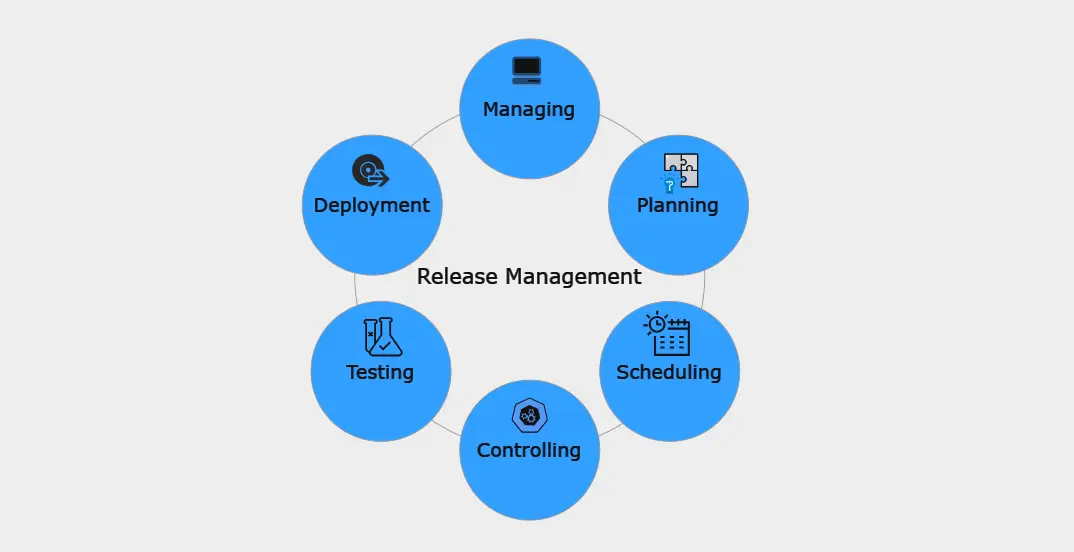
Traditional Challenges in Release Management:
- Bottlenecks and Delays: Traditional release cycles often involve manual handoffs between development, QA, and operations teams, leading to bottlenecks and delays in getting code into production.
- Manual Deployment Processes: Manual deployment processes are error-prone and time-consuming, increasing the risk of failures and downtime during releases.
DevOps Solutions:
- Automated Deployments: DevOps practices emphasize automation throughout the software delivery pipeline. Automated deployment tools and scripts enable teams to consistently and reliably deploy code into production environments, reducing errors and speeding up the release process.
- Canary Releases: Canary releases involve deploying new features or updates to a small subset of users or servers first, then gradually rolling them out to larger audiences. This approach allows teams to gather feedback, monitor performance, and mitigate risks before a full release.
- Feature Toggles: Feature toggles, also known as feature flags, allow teams to enable or disable specific features or functionalities in production environments dynamically. This flexibility enables teams to release features gradually, control their exposure, and mitigate risks associated with new changes.
Success Stories:
- Netflix: Netflix has been a pioneer in DevOps and continuous delivery practices. By heavily investing in automation and canary releases, Netflix can roll out new features and updates seamlessly while continuously monitoring user experience and performance.
- Etsy: Etsy employs feature toggles extensively to manage feature releases and experiments. This approach enables Etsy to release changes to production frequently while controlling their impact on users and easily rolling back changes if necessary.
- Amazon: Amazon’s renowned for its high-frequency deployments and minimal downtime. Through automation and canary releases, Amazon can quickly deliver updates to its vast array of services and platforms while ensuring a reliable and consistent user experience.
Advantages of DevOps Over Traditional Software Development
DevOps revolutionizes software development by seamlessly integrating development and operations, enhancing collaboration, automation, and efficiency, surpassing traditional methods. In the below table, we delve into the differences between the DevOps practice and traditional software development models.
| Aspect | DevOps Practice | Traditional Software Development |
|---|---|---|
| Team Structure | Cross-functional collaboration and shared responsibilities | Siloed teams (development, operations) |
| Development Speed | Faster with continuous integration and deployment | Slower due to manual processes and handoffs |
| Deployment Frequency | Continuous deployment with smaller, frequent releases | Less frequent releases |
| Automation | Emphasis on automation, including CI/CD pipelines and IaC | Limited automation |
| Infrastructure Management | Automated through Infrastructure as Code (IaC) | Manual setup and configuration |
| Monitoring | Continuous monitoring for real-time feedback and issue resolution | Limited visibility until deployment |
| Flexibility and Adaptability | Agile approach allows for easier adaptation to changes | Challenges in adapting to changing requirements |
| Risk Management | Minimizes risks through automation and continuous testing | Risks due to manual processes and limited testing opportunities |
| Cost Efficiency | Reduces costs through automation and improved resource utilization | Inefficiencies may lead to increased costs |
Also read: Infrastructure as Code (IaC): A Complete Overview
DevOps and SDLC Governance: Balancing Speed and Control
SDLC governance involves defining policies, processes, and controls to manage the software development lifecycle effectively. This includes ensuring that proper testing, security assessments, and approvals are in place at each stage of the SDLC.
1. Balancing Speed and Control in Governance and Compliance Challenges:
DevOps and SDLC governance face the challenge of reconciling speed with regulatory compliance. Organizations must deliver quickly while adhering to regulations. Integrating governance seamlessly into DevOps workflows is crucial. This involves establishing clear policies to ensure compliance without hindering the pace of delivery.
2. DevOps Influence on Effective Governance Strategies:
DevOps significantly influences governance by advocating automation, collaboration, and iterative improvement. Automation streamlines compliance checks, enabling consistent enforcement of policies and early detection of deviations. Collaboration aligns governance with DevOps principles, integrating stakeholders for timely feedback and supporting the iterative delivery of secure, compliant software.
3. Automation of Compliance Checks and Audits:
Automation is critical in addressing governance challenges in DevOps. It enables continuous monitoring of compliance throughout the software lifecycle. Automated tools validate code changes against standards, reducing manual effort and providing immediate feedback for faster issue resolution. This promotes consistency and facilitates audit compliance.
Conclusion
DevOps has ushered in a new era of efficiency and innovation in software development. By embracing continuous integration, security as code, modern release management, and strategic governance, organizations can navigate the dynamic landscape successfully. Each aspect contributes to a holistic transformation, ensuring that the impact of DevOps is not just a trend but a fundamental shift toward a more agile, quality-centric, and efficient software development process.
Frequently Asked Questions
What is DevOps, and how does it contribute to accelerating software development?
DevOps streamlines collaboration, automates processes, and fosters a culture of shared responsibility, leading to faster software development through continuous integration and delivery.
How does DevOps improve collaboration between development and operations teams?
DevOps promotes transparent communication, shared responsibility, and automated processes, breaking down silos between development and operations teams for efficient collaboration and faster software development.
How can automation tools contribute to accelerating software development in a DevOps environment?
Automation tools streamline repetitive tasks, such as testing and deployment, reducing errors and enhancing efficiency. This acceleration is achieved by automating various processes in the software development pipeline.
What role does version control play in DevOps, and how does it impact software development speed?
Version control, like Git, enables code tracking, collaboration, and easy rollbacks. It accelerates software development by ensuring efficient code management and faster issue resolution.
How does DevOps address security concerns in the software development process?
DevOps integrates security with DevSecOps, ensuring proactive security measures throughout the development lifecycle. This approach identifies and resolves vulnerabilities early, preventing security from becoming a development bottleneck.
Related/References
- What Is DevOps | DevOps Principles | Advantages Of DevOps | Why DevOps?
- Agile Methodology and DevOps | DevOps and Agile Relationship
- DevOps Best Practices
- What Is DevOps? AWS DevOps For Beginners
- [AZ-400] Microsoft Azure DevOps Certification Exam: Everything You Need To Know
- Certified Kubernetes Administrator (CKA) Certification Exam: Everything You Must Know
Next Task For You
Begin your journey towards becoming a DevOps Expert and earn a lot more by landing a high-paying job.
Join FREE CLASS to learn more about the DevOps Roles and Responsibilities, Job opportunities related to DevOps in the market, and what to study Including Hands-On labs and projects you must perform to get your Dream job.
Click on the below image to Register for Our FREE Class on Mastering DevOps on Cloud: How to Build In-Demand Skills and Land High-Paying Jobs


![Microsoft Agentic AI Business Solutions Architect [AB-100] | K21 Academy](https://test.k21academy.com/wp-content/uploads/2025/11/Microsoft-Agentic-AI-Business-Solutions-Architect-AB-100-Exam-Overview1.png)