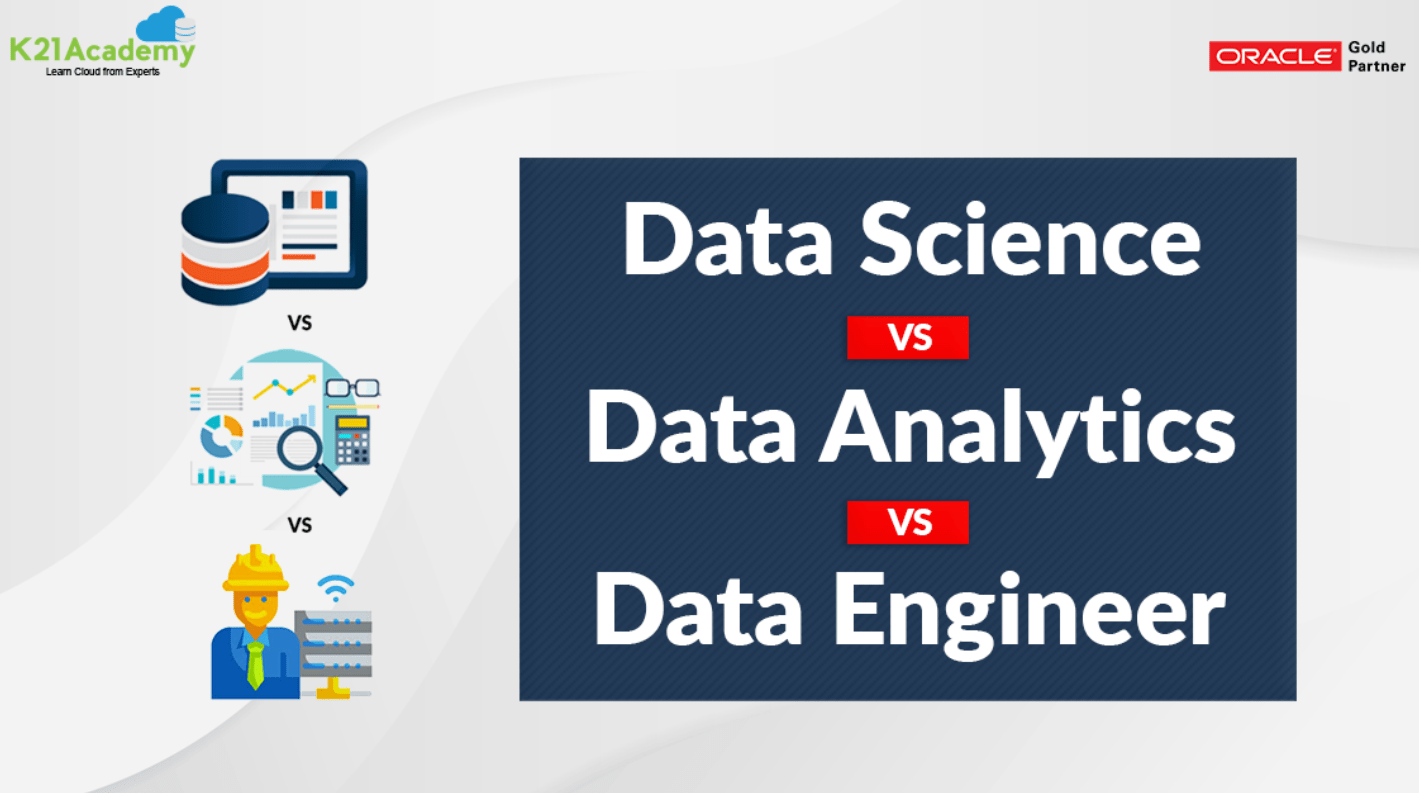



One of the common questions that are asked to us in our Free Training on Microsoft Azure Data Scientist Certification [DP-100] is that what is the difference in Data Science vs Data Analytics vs Data Engineer. So in this blog, we will give you a broad overview of the difference between Data Science vs Data Analytics vs Data Engineer and how ML and AI are included in these fields and also guide you to choose the right career.
A Data scientist takes an average salary of around $117,000 every year, and a Data analyst takes around $67,000 per year, whereas a Data Engineer takes $90,839/ year and Azure Data Engineer takes $148,333/ year.
Do Read : Our Blog Post On Hyperparameter Tuning.
What Is Data?
- Data is the collection of lots of facts and figures.
- Whether you understand it or not there is no denying that data is the foundation of any successful company and the business entrepreneurs that are leading the way are aware that looking deeper into data is what will make them tower above the competition.
- Let’s look at the data science team or big data team. We want to solve a business problem then We’ll do a significant amount of work on data that is available first based on the data analytics and we will provide an insight dashboard after the dashboard is ready.
- We as a data scientist will use some machine learning and artificial intelligence tools to develop models that could predict future outcomes.
Note : Do Read our Blog on Convolution Neural Network.
What Is Data Science? (Business Analytics vs Data Science)
- It is a discipline relying on data availability, while business analytics does not completely rely on data.
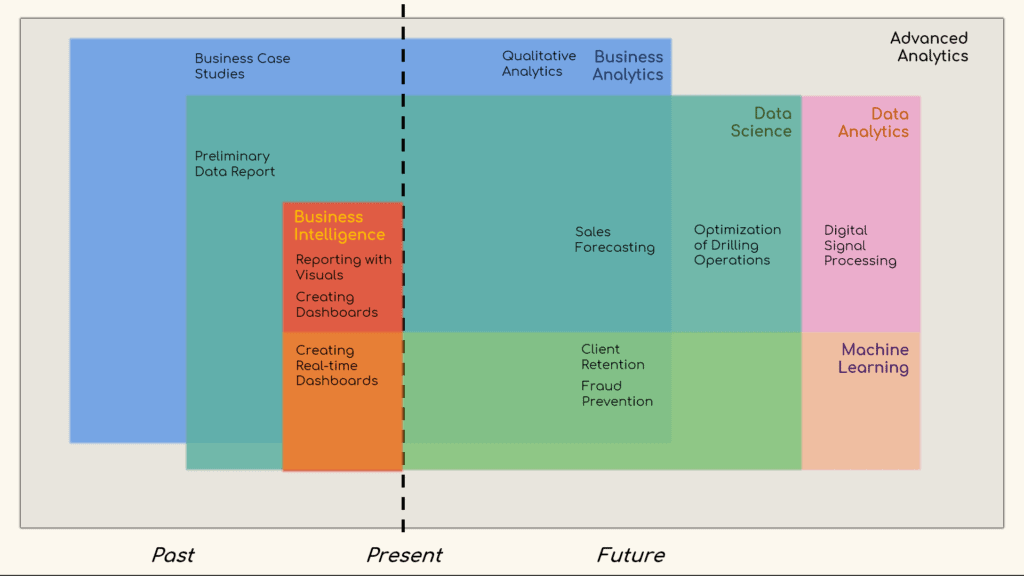
- Data Science covers part of data analytics, particularly that part which uses programming, complex mathematical, and statistical. it is not completely overlapping Data Analytics but it will reach a point beyond the area of business analytics.
- It can be used to improve the accuracy of prediction based on data extracted from various activities.
- Business intelligence fits in data science because it is the preliminary step of predictive analytics because we first analyze past data and extract useful insights and then create appropriate models that could predict the future of ours business accurately.
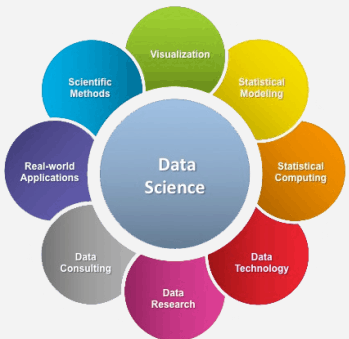
The Job Roles Of Data Scientist
- Exploratory Data Analysis (EDA)
- Processing, Cleaning and Verifying the Integrity of data.
- Identify trends in data and make unique predictions.
- Develop an understanding of using Machine Learning Techniques.
Also read: Azure Machine Learning Service is a fully managed cloud service that is used to train, deploy, and manage machine learning models.
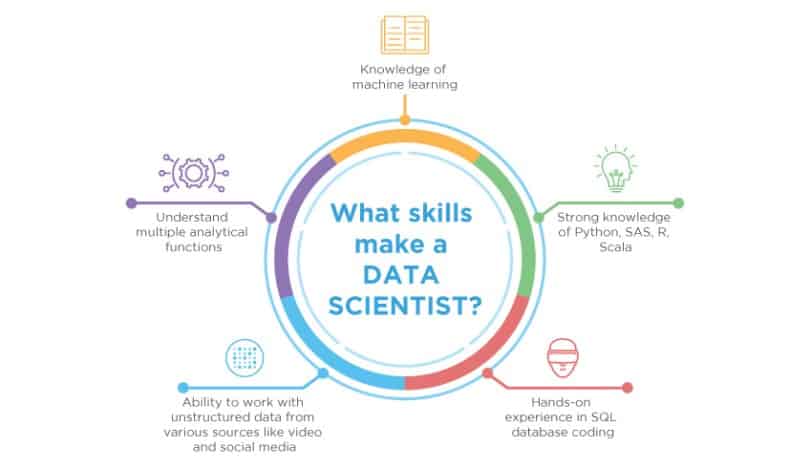
Skills And Tools For Data Scientist
- Understanding of Machine Learning Algorithm and Techniques.
- Hands-on Data Visualisation tools such as Tableau and Power BI.
- Experience in Big data tools like Spark and Hadoop.
- Understanding of Python or R and Expert in SQL.
Note : Do Checkout Our Blog Post On MLOps.
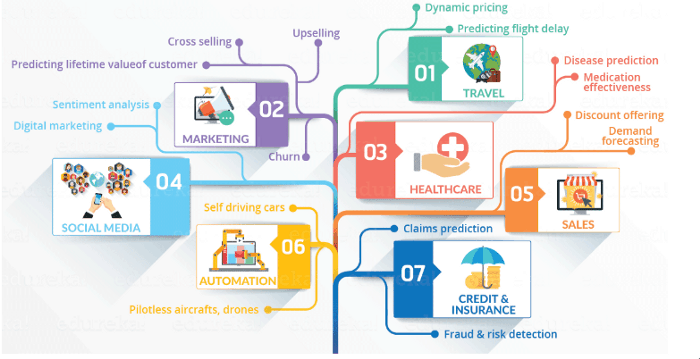
Data Scientist Use Cases
- Fraud and Risk Detection.
- Advertisement optimization.
- Automation Risk Management.
- Search Recommenders.
- Improving E-commerce Experience.
- Optimizing Rides
- Music Recommendation
Note: Do Read Our Blog Post on Azure Machine Learning model.
What Is Data Analytics?
- Data Analytics is the study of datasets to figure out conclusions from the information using particular systems software. it concentrates on specific areas with specific goals.
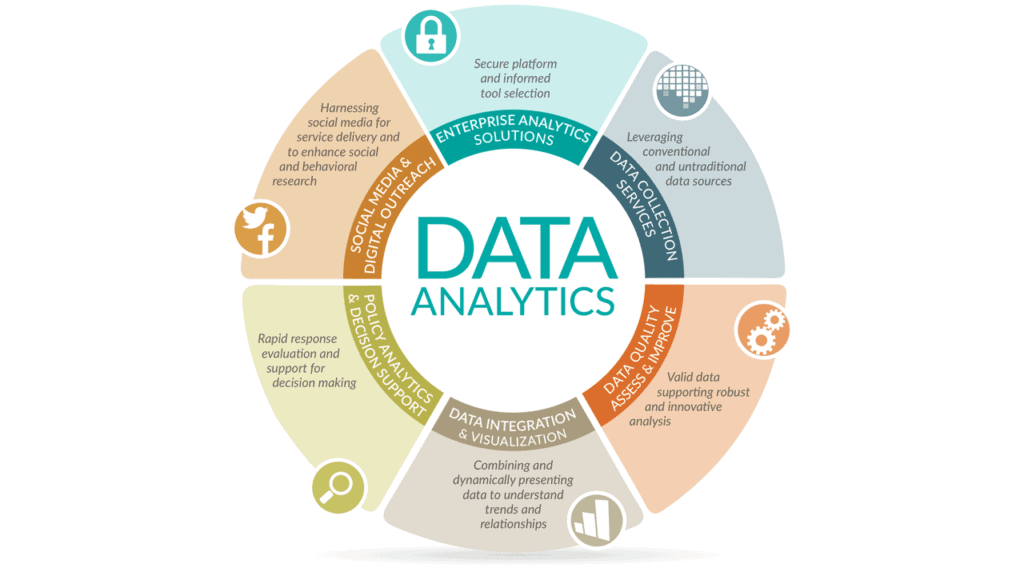
The Job Role Of Azure Data Analyst
- Exploratory Data Analysis(EDA)
- Discover new patterns using Statics Tools.
- Develop KPI’s and visual dashboards.
- Clean data
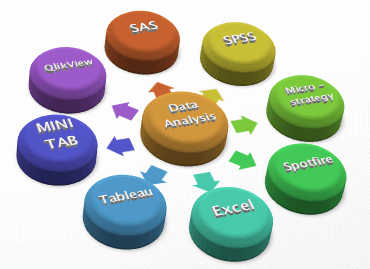
Skills And Tools For Azure Data Analyst
- Expertise in Stats tools such as R, SAS, Excel, etc.
- Hands-on BI tools.
- Proficiency in data mining.
Note: Read Our Blog Post To Get An Overview Of DP-900 vs DP-100 vs DP-200 vs DP-201.
Data Analyst Use Cases
- Social Media Analysis.
- Customer churn analysis and prevention.
- market basket analysis.
- 360-degree view of the customer.
What Is Data Engineering?
- Data engineering is the form of data science that targets on practical applications of data collection and analysis.
Who Is Data Engineer?
- Data Engineer makes and amends the systems that data analysts and scientists to perform their work.
- Data Engineer responsible for storing data, receiving data, transforming data, and made available to the users.
The Job Role Of A Data Engineer
- Develop, construct, test, and maintain architecture.
- Basic understanding of Programming languages and Data structure.
- Know how to deploy a machine learning model on Azure or other cloud services.
- Architect pipelines for different ETL operations.
If you have been looking for the best source to learn about the AZ-204 exam preparation, then click here.
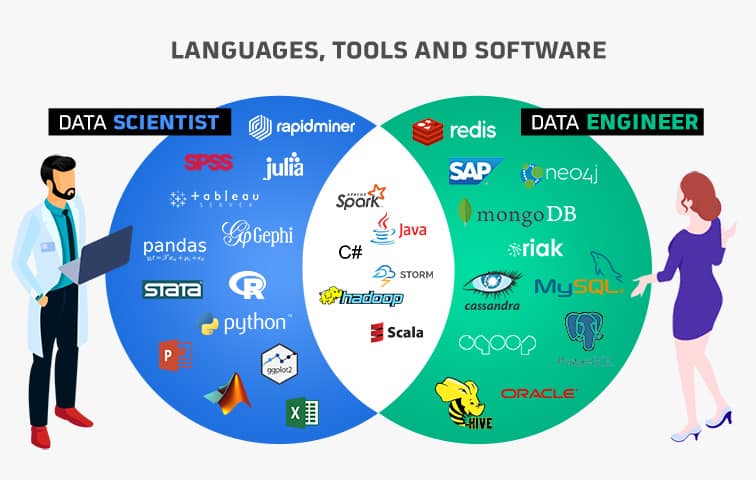
Skills And Tools For Data Engineer
- Architecting a distributed system and creating predictable pipelines.
- Architecting data stores and Combining data sources.
- Understanding of python, java, SQL, and C++.
- Experience in computation software such as Hadoop, Hive, Pig, and Spark.
Check Out: What is AWS Sagemaker. Click here
Data Engineer Use Cases
- Event-Driven Architecture (EDA).
- Change Data Capture (CDC).
- Event Stream Processing.
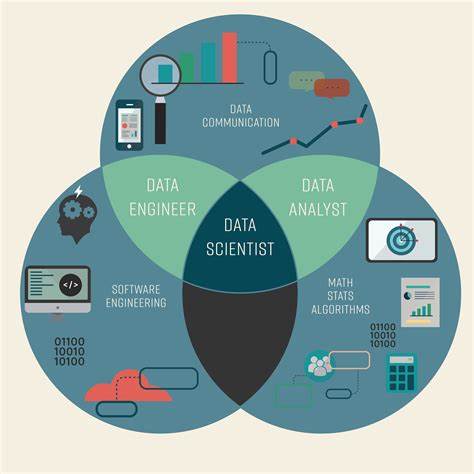
Data Analyst vs Data Scientist vs Data Engineer
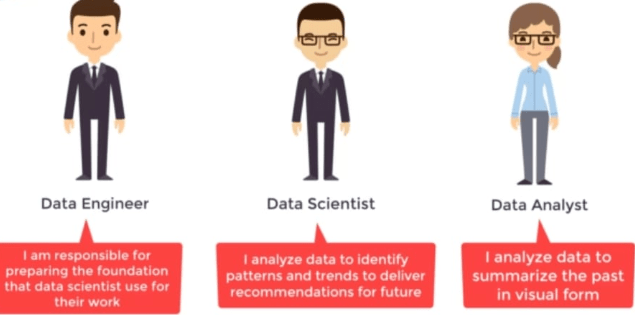
- Data Scientist: Analyze data to identify patterns and trends to predict future outcomes.
- Data Analyst: Analyze data to summarize the past in visual form.
- Data Engineer: Preparing the solution that data scientists use for their work.
Also Check : Our Blog Post To Know About Most Important DP-100 FAQ
ML And AI In Data Science vs Data Analytics vs Data Engineer
- Machine learning: The ability of machines to predict outcomes without being explicitly programmed to do so is regarded as machine learning. ML is about creating and implementing algorithms that let the machine receive data and used this data to :
- Make Predictions
- Analyze Pattern
- Give recommendations
- ML can not be implemented without data. Hence it should stay within data analytics completely. Applying ML tools to business intelligence is increased. As data scientists, we are interested in how tools from machine learning can help us improve the accuracy of our estimations.
- ML software can hold data from the third company and detect new patterns from their data and thus suggest real-time recommendations and insights to managers and other decision-makers. This is a great way to improve the performance of our business.
- Client Retention: ML helps develop models that predict what a client’s next purchase would be.
- Fraud Prevention: ML algorithm with prior fraudulent activity data. it will find the patterns which the human brain is incapable of seeing.
- Artificial Intelligence: It is about simulating human knowledge and decision making with computers. it is quite a general term that can have a rather philosophical interpretation. we have only managed to reach AI through ML.
Also Check: Overview Of Automated Machine Learning
Why Microsoft Azure?
Computing Power:
- Big Data & Analytics requires huge computing power because of the huge amounts of data that need to be analyzed.
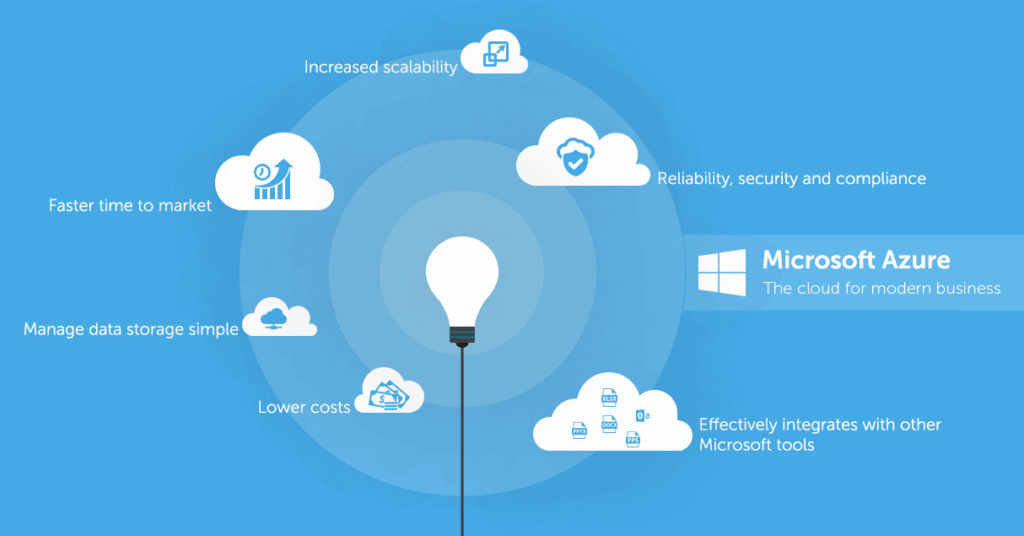
- Azure’s compute mostly comes from its Virtual Machines. Both offer scale-on-demand computing capacity, providing the infrastructure needed to run robust Big Data & Analytics solutions.
Storage:
- Big Data solutions depend on Network and Storage.
- Azure offers scalable storage features.
Pricing:
- Azure has a pay-as-you-go model with Microsoft charging its customers by the minute.
Security:
- Azure both provide the greatest security features to safeguard hacking instances and sensitive data. With 90% of Fortune 500 companies entrusting Azure.
Processing Power:
- Azure houses ‘Event Hubs,’ displaying enough firepower for data analysis inexpensively and in situations with low latency.
Check Out: Our blog post on DP 100 Exam questions and Answers. Click here
Data Science VS Data Analytics VS Data Engineer reddit
Data Science, Data Analytics, and Data Engineering are distinct yet interconnected fields. Data Engineers focus on building and maintaining data infrastructure, ensuring data is accessible and optimized for use. Data Analysts interpret and visualize data, extracting actionable insights to drive decision-making. Data Scientists take this a step further, applying advanced algorithms, machine learning, and statistical techniques to predict outcomes and solve complex problems. Together, these roles form the backbone of data-driven organizations, each contributing unique skills to transform raw data into valuable business insights.
FAQs
Q : How can one transition into a career in data analytics, data engineering, or data science?
Transitioning into data analytics, data engineering, or data science involves learning tools like Python, SQL, and cloud platforms, building strong analytical skills, completing hands-on projects, and obtaining relevant certifications.
Q : How do Data Engineers optimize data performance and ensure data accuracy?
Data engineers optimize data performance by implementing efficient ETL pipelines, indexing, and partitioning. They ensure accuracy through data validation, deduplication, and consistency checks, leveraging monitoring tools for continuous improvement.
Q : How does the career progression differ for a Data Analyst, Data Engineer, and Data Scientist?
Career progression for a Data Analyst often leads to roles like Business Analyst or Analytics Manager. Data Engineers advance to Cloud or Data Architects, while Data Scientists grow into AI/ML specialists or researchers.
Q : What educational background is typically needed to become a Data Analyst, Data Engineer, or Data Scientist?
A strong educational background in fields like computer science, statistics, mathematics, or data analytics is typically required for roles as Data Analyst, Data Engineer, or Data Scientist, alongside relevant certifications.
Related/References:
- [DP-100] Microsoft Certified Azure Data Scientist Associate: Everything you must know
- [AI-900] Microsoft Certified Azure AI Fundamentals Course: Everything you must know
- Azure Machine Learning Studio
- Convolutional Neural Network (CNN)
- Microsoft Certified Azure Data Scientist Associate | DP 100 | Step By Step Activity Guides (Hands-On Labs)
Next Task For You
In our Azure Data Engineer training program, we will cover 28 Hands-On Labs. If you want to begin your journey towards becoming a Microsoft Certified: Azure Data Engineer Associate by checking out our FREE CLASS.


![Microsoft Agentic AI Business Solutions Architect [AB-100] | K21 Academy](https://test.k21academy.com/wp-content/uploads/2025/11/Microsoft-Agentic-AI-Business-Solutions-Architect-AB-100-Exam-Overview1.png)