



Cloud computing adoption has increased in recent years, and many firms are embracing a Cloud-first strategy for their IT initiatives. It promotes the use of cloud computing for all IT projects and activities, with an emphasis on cost optimization, agility, and scalability.
In this blog, we will explore the following aspects of it :
- What is Cloud-First Strategy?
- Benefits of Adopting a Cloud-First Strategy
- Introduction to Microsoft Azure and its capabilities
- Azure’s Role in a Cloud-First Strategy
- Strategies for Implementing a Cloud-First Strategy in Microsoft Azure
- Key Considerations for a Successful Cloud-First Strategy in Microsoft Azure
What is Cloud-First Strategy?
 It is an IT initiative methodology that prioritizes the adoption of cloud computing services as the default option for delivering IT services. To provide more efficient, cost-effective, and scalable services, the Cloud-First approach prioritizes the adoption of cloud-based services above traditional on-premises solutions. Microsoft Azure is a major cloud computing platform that gives businesses the tools and services they need to achieve a Cloud-First Strategy.
Benefits of Adopting a Cloud-First Strategy

- Increased agility
- Improved scalability
- Reduced costs
- More efficient use of resources
- Better security and compliance
Read our Blog: Cloud Fundamentals: Everything You Need To Know
Introduction to Microsoft Azure and its capabilities:

Microsoft Azure is a platform for cloud computing that offers a variety of tools and services for businesses wishing to implement a cloud-first strategy.
Azure offers solutions for data storage as well as virtual machines, containers, serverless computing, and other services. Azure also offers security, automation, and monitoring solutions.
Also Read: Our blog post on Azure Serverless Computing: Architecture, Advantages, Azure Function
Azure’s Role in a Cloud-First Strategy
Azure is an ideal platform for organizations looking to adopt a Cloud-First Strategy.
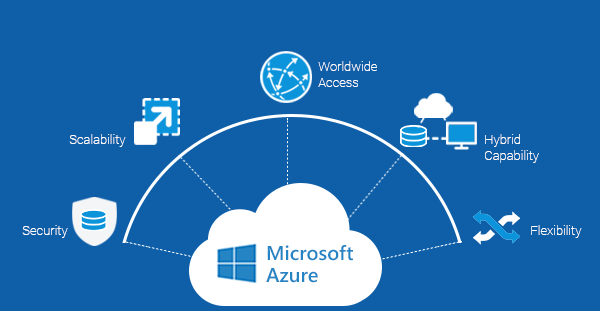
Azure provides a range of services and tools that can help organizations migrate their IT infrastructure to the cloud, automate IT processes, optimize costs, and enhance security and compliance.
Strategies for Implementing a Cloud-First Strategy in Microsoft Azure
- Migrating on-premises infrastructure to Azure
Migrating on-premises infrastructure to Azure is a key component of a Cloud-First Strategy. Azure provides a range of migration tools such as Azure Migrate, which can help organizations migrate their IT infrastructure to Azure. Organizations can choose to migrate their entire IT infrastructure or select specific workloads based on their business needs.
Also Read: Our blog post on Azure Migrate And Cloud Migration Strategy - Leveraging Azure-native services
Azure provides a wide range of Azure-native services that can help organizations enhance their IT infrastructure. Azure-native services such as Azure Functions, Azure SQL Database, and Azure Kubernetes Service can help organizations create scalable and efficient solutions without requiring significant investments in hardware or software.
Also Read: Our blog post on AKS Cluster | How to Create Kubernetes Cluster in Azure & Azure Kubernetes Service Overview - Automation of IT processes using Azure DevOps
Automation is a critical component of a Cloud-First Strategy. Azure DevOps provides a set of tools for automating the IT infrastructure and development process. Azure DevOps provides features such as continuous integration and delivery, automated testing, and release management.
 Also Read: Our blog post on Azure DevOps For Beginners
- Optimizing costs in Azure
Optimizing costs is an essential component of a Cloud-First Strategy. Azure provides tools such as Azure Cost Management and Azure Advisor, which can be used to monitor and optimize costs in Azure. These tools can help organizations reduce costs and increase efficiency. - Prioritizing security and compliance
Security and compliance are critical components of a Cloud-First Strategy. Azure provides a range of security and compliance features such as Microsoft Defender for Cloud, Azure Sentinel, and Azure Policy. These features can help organizations enhance security and compliance across their IT infrastructure.

- Considering hybrid cloud solutions
Hybrid cloud solutions can be used to provide a consistent management and security framework across on-premises and cloud-based infrastructure. Azure provides a range of hybrid cloud solutions such as Azure Arc, which can help organizations manage and secure their on-premises and cloud-based infrastructure from a single management plane.
Key Considerations for a Successful Cloud-First Strategy in Microsoft Azure

- A clear strategy and roadmap are essential for a successful Cloud-First Strategy in Azure. Organizations should have a clear understanding of their business needs and objectives and develop a roadmap that outlines how Azure can help them achieve those objectives.
- A strong governance model is critical to ensuring that Azure is used effectively and efficiently. Organizations should establish policies and procedures that govern the use of Azure and ensure that they are followed across the organization.
- Collaboration across teams and departments is essential for a successful Cloud-First Strategy in Azure. IT teams, business teams, and other stakeholders should work together to ensure that Azure is used in a way that aligns with the organization’s overall objectives.
- An agile approach to IT Initiatives can help organizations respond to changing business needs and market conditions. Agile methodologies such as DevOps can help organizations deliver IT services faster and more efficiently.
- A culture of continuous improvement is critical to ensuring that Azure is used effectively and efficiently. Organizations should continuously monitor their use of Azure and look for ways to optimize their use of the platform.
Conclusion
In conclusion, it is a critical component of IT initiatives for organizations looking to increase agility and scalability and reduce costs. Microsoft Azure provides a range of tools and services that can help organizations adopt a Cloud-First Strategy successfully.
By migrating to Azure, leveraging Azure-native services, automating IT processes using Azure DevOps, optimizing costs, prioritizing security and compliance, and considering hybrid cloud solutions, organizations can effectively implement a Cloud-First Strategy in Azure for 2023 and beyond.
References/Related
- Microsoft Azure Security Technologies Certification
- Microsoft Azure Security Technologies: Step By Step Activity Guides
- Introduction to Azure Sentinel and Steps to Setup
- What is Azure Backup?- Features, Benefits, Tools & Real-life Examples
- Azure Site Recovery: Benefits, Working, Features, and Implementation
- Top 10 Best Practices for Azure Security
- Azure Firewall vs Azure Network Security Groups (NSG)
- Azure Security vs AWS Security
- What is Azure security?
Next Task For You
Begin your journey toward Mastering Azure Cloud and landing high-paying jobs. Just click on the register now button on the below image to register for a Free Class on Mastering Azure Cloud: How to Build In-Demand Skills and Land High-Paying Jobs. This class will help you understand better, so you can choose the right career path and get a higher paying job.


![Microsoft Agentic AI Business Solutions Architect [AB-100] | K21 Academy](https://test.k21academy.com/wp-content/uploads/2025/11/Microsoft-Agentic-AI-Business-Solutions-Architect-AB-100-Exam-Overview1.png)