



In today’s connected world, cloud computing has become a buzzword, promising convenience and efficiency for everyone, from tech enthusiasts to casual users. Imagine having access to your digital tools and resources anytime, anywhere, without the hassle of complicated setups or hefty costs. That’s the beauty of cloud computing – it’s like having your digital world at your fingertips, ready to use whenever you need it.
Join us on a journey to explore the wonders of cloud computing in simple terms. From understanding the basics of how it works to discovering its various applications in our daily lives, we’ll unravel the mysteries of the cloud and empower you to make the most of this revolutionary technology. Whether you’re a tech-savvy individual or a curious beginner, this guide is your gateway to the boundless possibilities of cloud computing.
- Simplifying Cloud Computing
- Top Players in Cloud Computing
- Public Cloud Market Growth
- Skills Required to Become a Cloud Expert
- Job Opportunities for Cloud Engineers
- Average Salaries for Cloud Engineers
- Roles and Responsibilities of Cloud Engineers
- Brands Leveraging Cloud Computing
- Starting Your Cloud Career Path
- Conclusion
- Frequently Asked Questions
Simplifying Cloud Computing
Remember the days when deploying and managing applications was very complicated, time-consuming, and expensive? Cloud computing changed all that. Now, you have instant access to computer resources like Servers, Storage, Databases, and Networking.
Cloud computing gives you instant access to everything you need:
- Servers: Equipped with memory and CPU capabilities to handle diverse workloads.
- Storage: From versatile blob storage to efficient object storage solutions.
- Databases: Supporting structured, unstructured, and semi-structured data for comprehensive data management.
- Networking: Enabling seamless connectivity through virtual networks, subnets, and integrations with on-premises infrastructure.
Think of cloud computing like your utility bill: You only pay for the resources you use.
Check Out: Cloud Service Model: SaaS | PaaS | IaaS
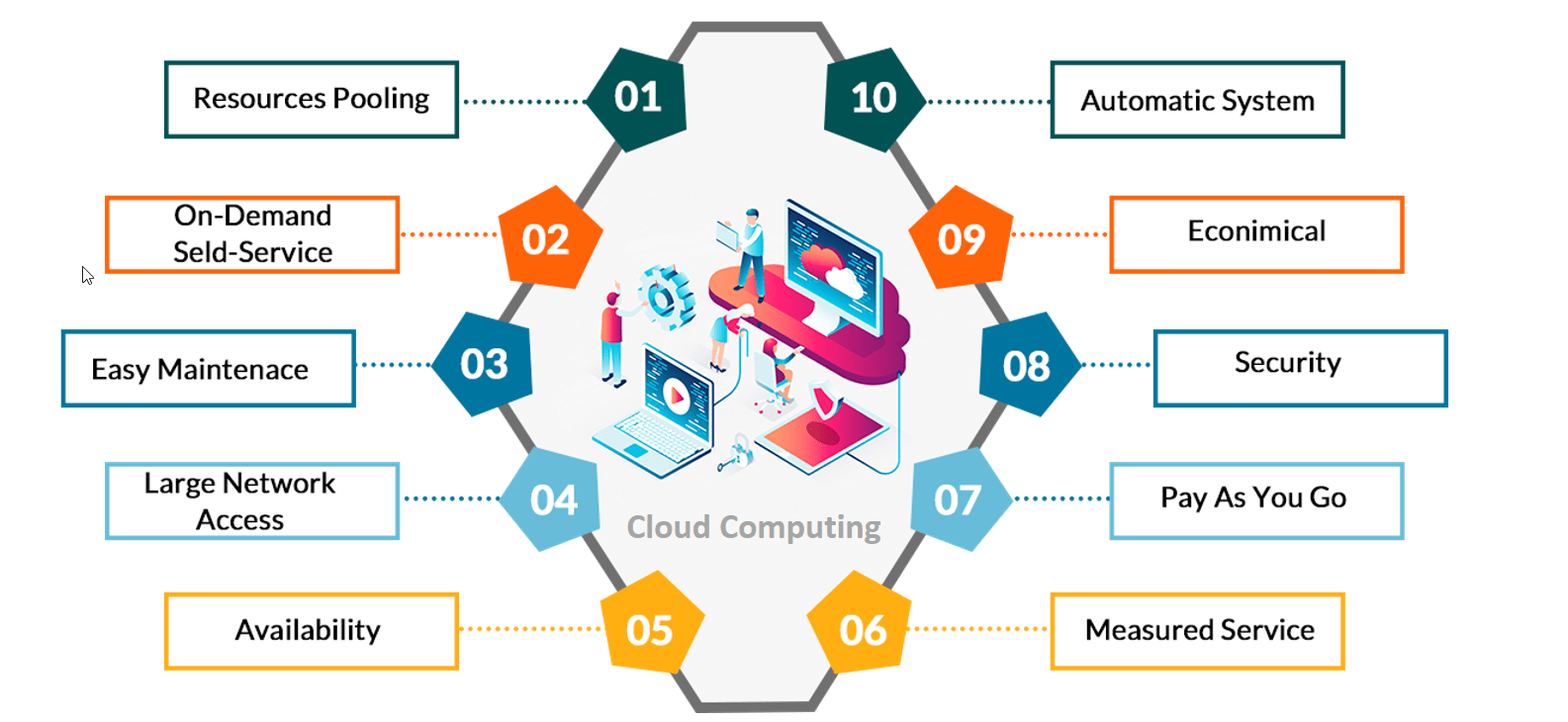
The Top Players in Cloud Computing: AWS, Azure, GCP, and Oracle Cloud
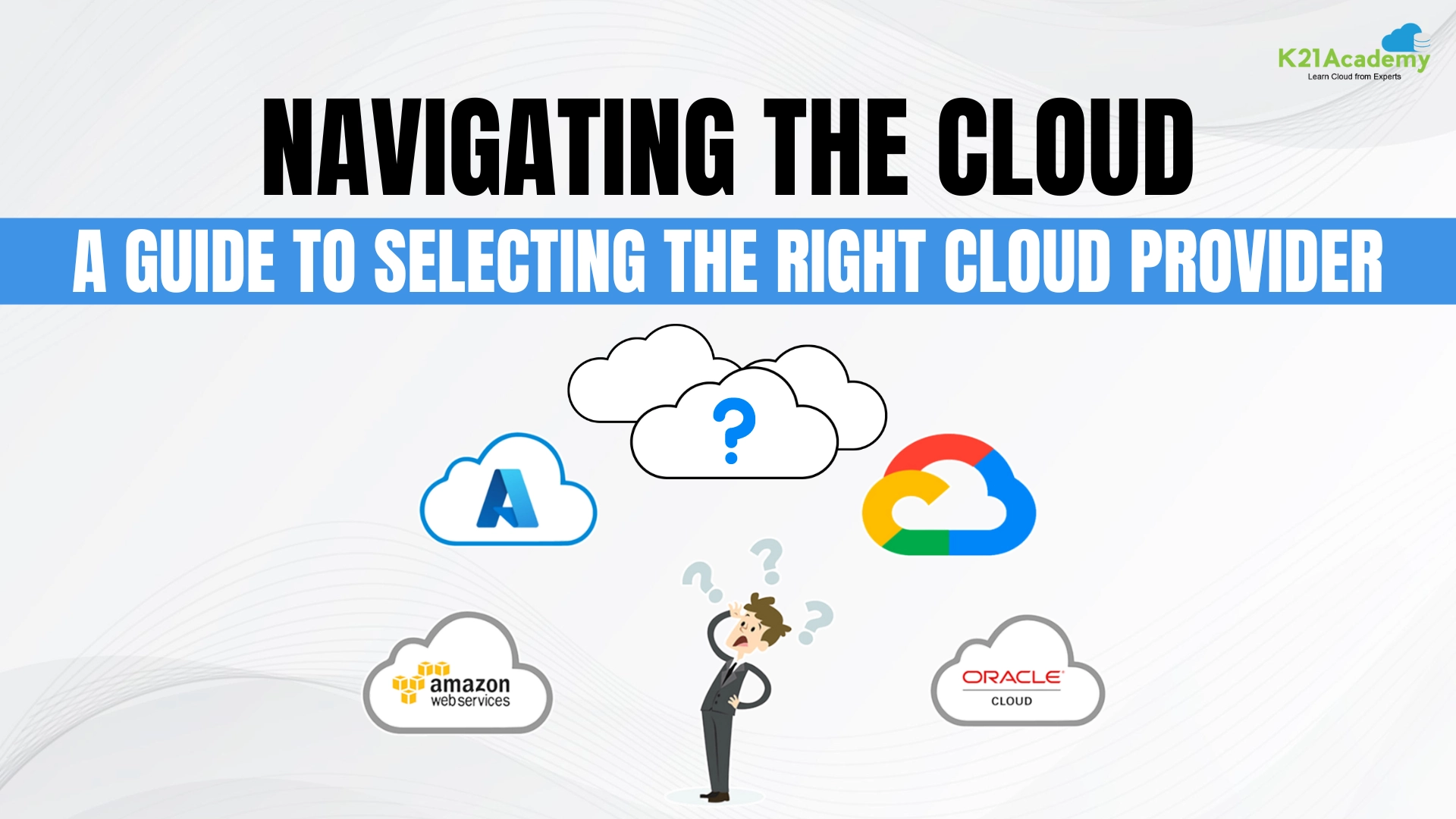
When it comes to cloud computing, four names reign supreme: Amazon Web Services (AWS), Microsoft Azure, Google Cloud Platform (GCP), and Oracle Cloud. These industry giants have solidified their positions as leaders in the field, offering an extensive array of services tailored to meet diverse business requirements.

- Amazon Web Service: AWS is a subsidiary of Amazon providing on-demand cloud computing platforms, Services, and APIs. It is the world’s most broadly adopted cloud platform, offering over 170+ fully-featured services from Data Centers globally.
- Microsoft Azure: Azure is an on-demand cloud computing service provider presented by Microsoft. It is a combination of various cloud computing services to build, test, deploy, and manage applications in the cloud. Offering over 200+ fully-featured services.
- Google Cloud Platform: Google Cloud Platform(GCP) provides various cloud computing services needed to develop, deploy, scale, monitor, and operate a cloud.
- Oracle Cloud: Oracle Cloud provides services like computing, storage, networking, database, and platform services to deliver robust business outcomes.
Explore each of these cloud vendors to find the one that best aligns with your specific requirements and objectives.
Also Read: Amazon AWS | Microsoft AZURE | Oracle Cloud (Confused ?): Right Choice for DBA’s
Public Cloud Market Growth
The global public cloud computing market is on a steady rise and is projected to hit an estimated 232.3 billion U.S. dollars by 2024. This encompasses various services including business processes, platforms, infrastructure, software, management, security, and advertising. Witness the substantial growth depicted in the graph below, illustrating the ascending trajectory of the public cloud market over the years.
 Skills Required to Become a Cloud Expert
To thrive in the cloud computing industry and unlock promising career prospects, mastering the right skills is crucial. Cloud engineers, responsible for overseeing cloud software, operations, and architecture, require a diverse skill set. Here are the key skills to focus on for a successful career in cloud engineering:
- Proficiency in Operating Systems (OS): Proficiency in OS tailored for cloud environments, like Linux and Windows, is essential for effective management of VMs and servers.
- Networking Proficiency: Strong networking skills are crucial for designing and implementing robust network architectures, facilitating seamless connectivity and data transfer.
- Database Expertise: Proficiency in database languages like MySQL and Hadoop is indispensable for efficient data storage, analysis, and processing in cloud environments.
- Familiarity with DevOps: Understanding DevOps methodologies optimizes system efficiency by integrating development and operations, fostering collaboration between teams.
- Knowledge of Cloud Service Providers: Familiarity with leading providers like AWS, Azure, GCP, and Oracle Cloud is essential for selecting the most suitable solutions.
- Effective Communication Skills: Effective communication skills facilitate seamless collaboration and information exchange within multifunctional teams, enhancing productivity and synergy.
Job Opportunities for Cloud Engineers
The demand for cloud engineers is on the rise as businesses increasingly rely on cloud infrastructure and services. Currently, there are over 33,000 job openings for cloud engineers globally, with this number expected to grow further in the future, given the expanding cloud computing market.
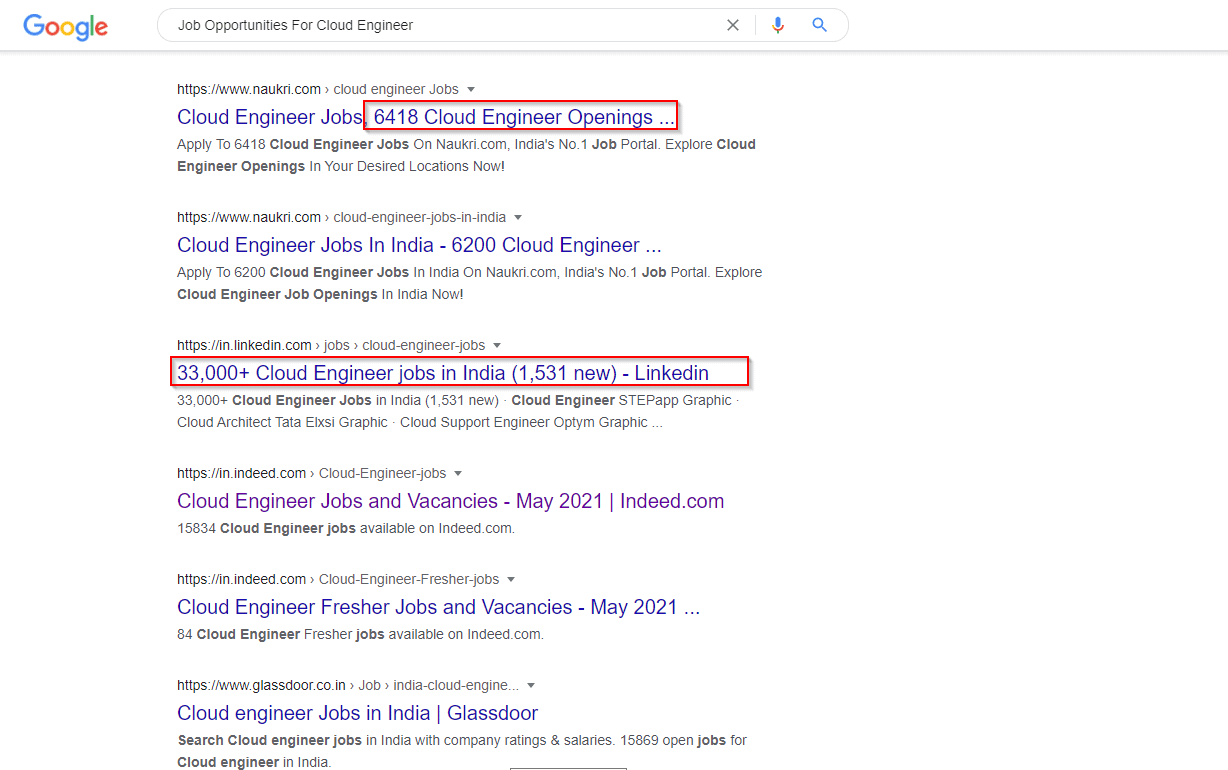
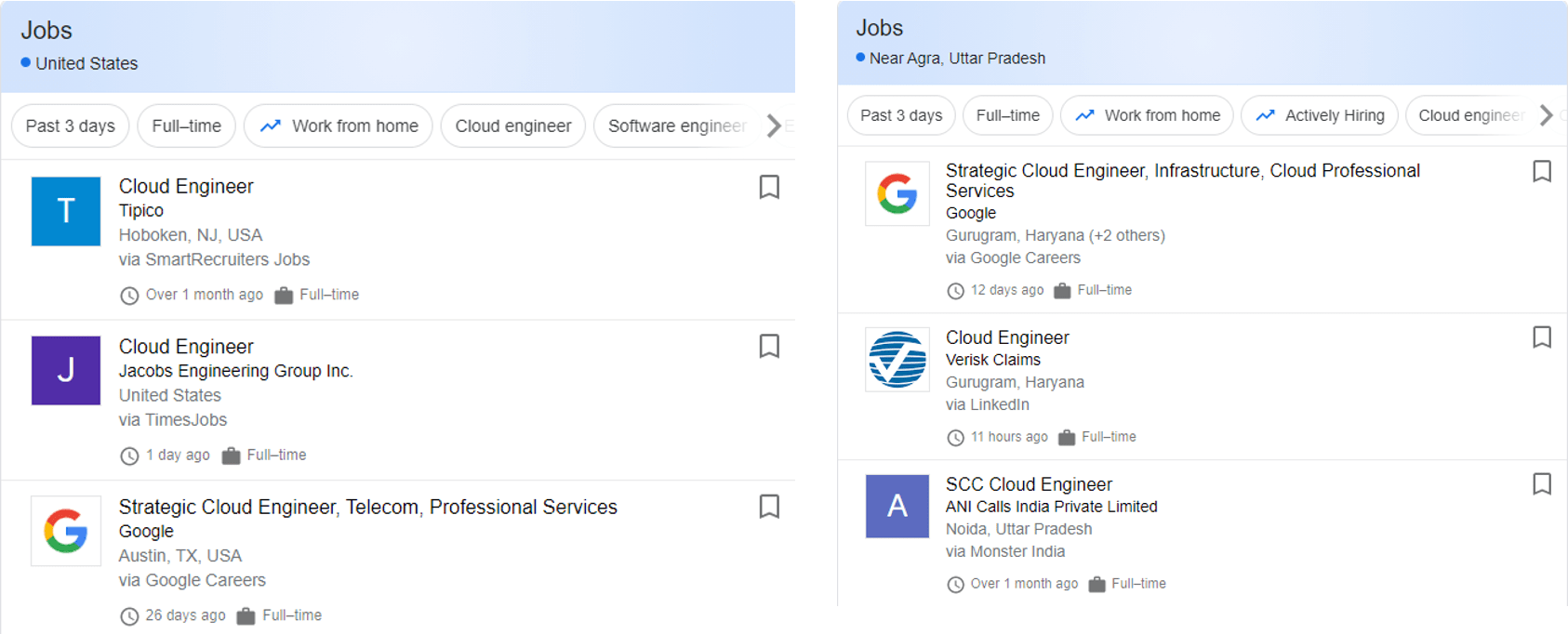
Job opportunities for cloud engineers are abundant, particularly in regions like the United States, India, and other countries, where businesses are actively embracing cloud technologies and seeking skilled professionals to manage their cloud infrastructure.
Average Salaries for Cloud Engineers
Cloud engineering roles, including Cloud Developer, Cloud Architect, and Cloud Operations, are highly esteemed positions across various organizations. Here are the average annual salaries for these roles in the United States and India:
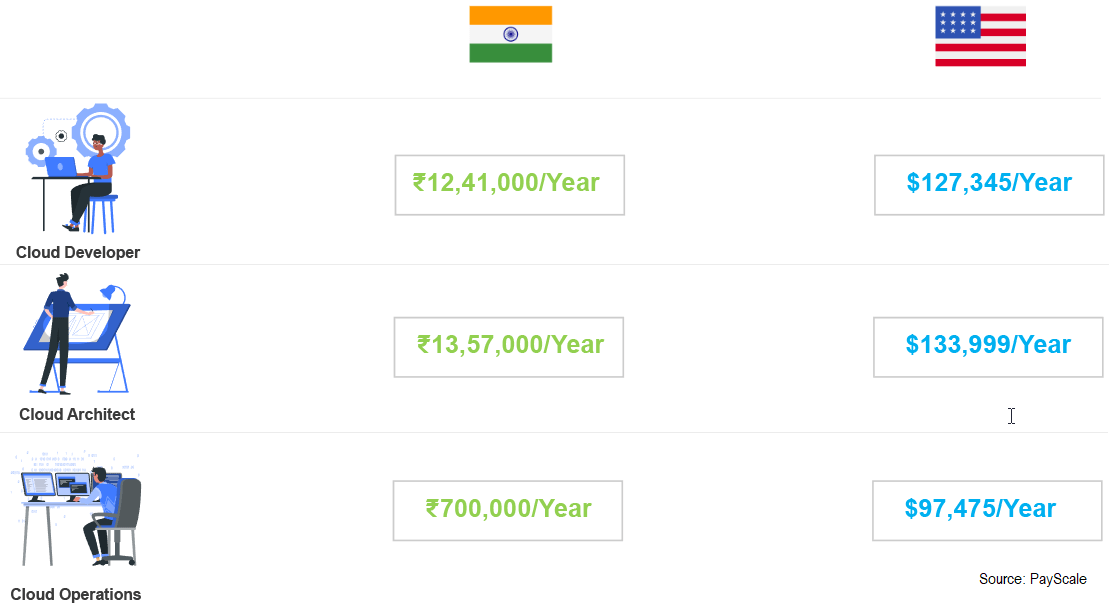
India :
- Cloud Solutions Engineer: INR 12,41,000/year
- Cloud Infrastructure Architect: INT13,57,000/year
- Cloud Systems Administrator: INR 700,000/year
USA :
- Cloud Solutions Engineer: USD 127,345/year
- Cloud Infrastructure Architect: USD 133,999/year
- Cloud Systems Administrator: USD 97,475/year
Roles and Responsibilities of Cloud Engineers
Companies worldwide seek highly skilled cloud engineers to efficiently manage resources and operations. A cloud engineer assumes various responsibilities crucial for the seamless functioning of cloud environments. Here’s an overview of the roles and responsibilities across different career pathways in cloud engineering:
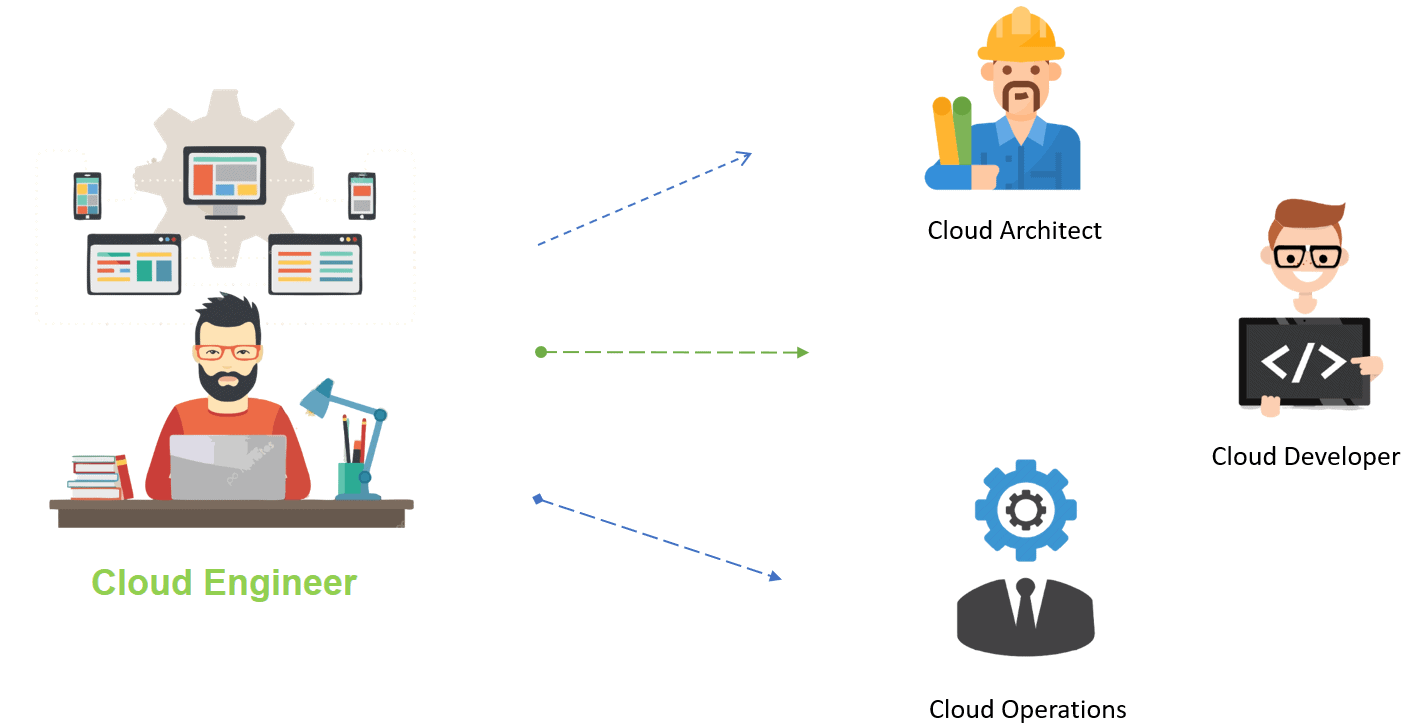
Solutions Architect
- Designing and implementing cloud infrastructure.
- Analyzing available cloud architectures.
- Monitoring services and conducting maintenance activities.
- Developing diverse workflows and processes.
- Documenting integration solutions and performance indicators.
- Collaborating with teams to discuss new standards and processes.
Cloud Systems Designer
- Creating a comprehensive cloud strategy and overseeing the adaptation process.
- Evaluating cloud applications, software, and hardware.
- Efficiently developing and organizing cloud systems.
- Collaborating closely with IT security and cloud privacy teams.
- Resolving technical issues and providing guidance on infrastructure movement techniques.
- Identifying top cloud architecture solutions to align with the company’s strategic objectives.
Cloud Operations Manager
- Managing configuration and resource allocation.
- Optimizing performance capacity for enhanced efficiency.
- Ensuring compliance with regulatory standards.
- Meeting service-level agreements (SLAs) to uphold quality standards.
Brands Leveraging Cloud Computing
Numerous major brands are migrating their operations to the cloud, expanding their infrastructure, and delivering seamless services to customers.
Here are some notable brands that have placed their trust in cloud computing to ensure uninterrupted service delivery:
- Netflix
- Adobe
- PayPal
And many more renowned names continue to embrace cloud computing to enhance their operational efficiency and scalability.

Starting Your Cloud Career Path
Embarking on a cloud career journey can feel overwhelming initially, but with the right guidance, you can reach new heights. Follow these steps to grasp the basics and advance in your cloud career:
- Obtain Your Bachelor’s Degree: Begin by obtaining a bachelor’s degree or relevant certifications to build foundational knowledge and practical skills. While educational requirements for cloud engineering roles vary, having a degree or certification in fields like computer science can enhance your credibility. Some employers may prefer candidates with a bachelor’s or master’s degree, while others prioritize relevant certifications.
Note: You don’t necessarily need a bachelor’s degree to start your journey in cloud computing. Anyone with a passion for learning and a willingness to acquire new skills can dive into the world of cloud technology.
- Certification Selection: Choose certifications that align with industry demands and complement your skill set. Select programs that are up-to-date with current market trends and offer comprehensive training. Choose the right learning partner in your journey to becoming a successful cloud expert.

- Technical Proficiency: Develop a strong understanding of essential technical skills crucial for success in the cloud market. Proficiency in Linux, DevOps practices, containerization with Docker, and database management are invaluable assets for cloud professionals.
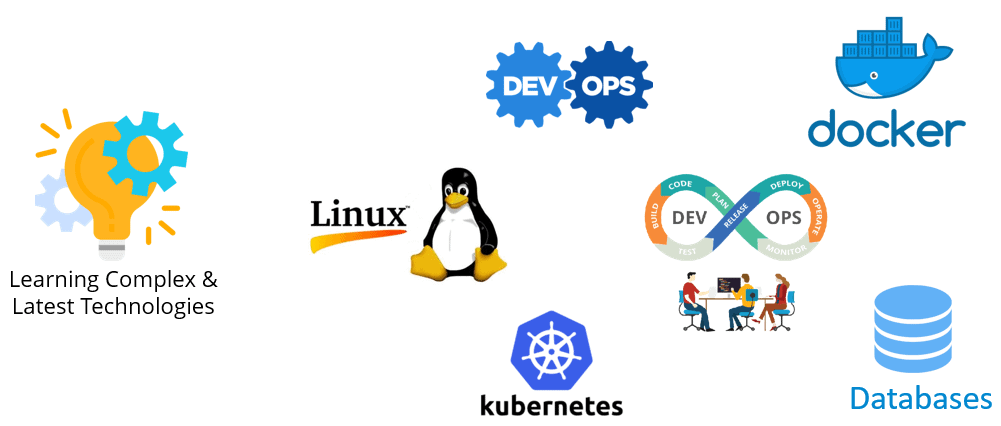
- Hands-on Experience: Seek opportunities to gain practical experience and differentiate yourself in the competitive job market. Leverage your professional network or cultivate new connections to immerse yourself in cloud-related projects. Collaborating with experienced professionals allows you to learn from their expertise and contribute meaningfully to real-world projects, enhancing your skill set and marketability.
Conclusion
Thanks for reading! To succeed in the cloud, get hands-on with free trials from cloud vendors. Tap into your network for learning opportunities, whether you’re in IT or exploring new paths. Grow through continuous learning and hands-on experience for a successful journey in cloud computing.
Frequently Asked Questions
How does cloud computing impact data privacy and security?
Cloud computing introduces new challenges and considerations for data privacy and security. While reputable cloud providers implement robust security measures, it's essential for organizations to understand their responsibilities in securing data and comply with relevant regulations. Implementing encryption, access controls, and regular audits can help mitigate risks and ensure data confidentiality.
What are the environmental implications of widespread cloud adoption?
While cloud computing offers numerous benefits, including energy efficiency and resource optimization, its rapid growth raises concerns about its environmental impact. Large-scale data centers consume significant amounts of energy, leading to carbon emissions and environmental degradation. To address this, cloud providers are investing in renewable energy sources and adopting sustainable practices to minimize their carbon footprint.
How can small businesses leverage cloud computing to compete with larger enterprises?
Cloud computing levels the playing field for small businesses by providing access to enterprise-grade infrastructure and services on a pay-as-you-go basis. Small businesses can leverage cloud solutions for scalability, cost-effectiveness, and agility, enabling them to innovate, streamline operations, and compete more effectively in the digital economy.
What are the implications of vendor lock-in when choosing a cloud provider?
Vendor lock-in refers to the dependence on a particular cloud provider's proprietary technologies and services, making it challenging to migrate to alternative platforms. While choosing a cloud provider, organizations should evaluate interoperability, portability, and exit strategies to mitigate the risks of vendor lock-in. Embracing open standards, adopting multi-cloud or hybrid cloud architectures, and negotiating flexible contracts can help minimize vendor lock-in concerns.
How does cloud computing impact traditional IT roles and job functions?
Cloud computing disrupts traditional IT roles and necessitates a shift in skill sets and job functions. While some roles may evolve or become redundant, new opportunities emerge for cloud architects, DevOps engineers, and data analysts with expertise in cloud technologies. Organizations must invest in upskilling and reskilling their workforce to adapt to the changing landscape and harness the full potential of cloud computing.
Related Links/References
- How do I create and activate a new Amazon Web Services account?
- Overview of Amazon Web Services & Concepts
- What Is DevOps | DevOps Principles | Advantages Of DevOps | Why DevOps?
- Google Cloud Free Account: Steps to Register for Free Trial Account
- AZ-304 Microsoft Azure Architect Design: Step By Step Activity Guides (Hands-On Labs)
- Amazon AWS | Microsoft AZURE | Oracle Cloud (Confused ?): Right Choice for DBA’s
Next Task For You
Attend our FREE CLASS to explore AWS Cloud discover in-demand job opportunities, and gain insights into essential Hands-On labs and projects.
Register now for our FREE Class on Amazon Web Services: Build In-Demand Skills and Secure High-Paying Jobs by clicking the image below.


![Microsoft Agentic AI Business Solutions Architect [AB-100] | K21 Academy](https://test.k21academy.com/wp-content/uploads/2025/11/Microsoft-Agentic-AI-Business-Solutions-Architect-AB-100-Exam-Overview1.png)