

Cloud Computing is the next biggest evolution in the IT industry. From big companies to pizza shops next to your door, everyone moves their data to the cloud. Zettabytes of data has already been migrated to cloud servers from on-premises systems, and this number is still growing at an exponential rate. Hence, it becomes essential to know about Cloud Deployment models. In this post, I will give you a walk-through of Cloud Computing Deployment models.
This post covers the following topics:
What is a Cloud Deployment Model?
Cloud Deployment Model acts as a virtual computing environment that offers a choice of deployment model according to how much data users want to store and who will have access to the infrastructure. It signifies how servers are deployed and provisioned over the internet so that various organizations and companies can access these servers without configuring them.
Check out: Cloud Service Models
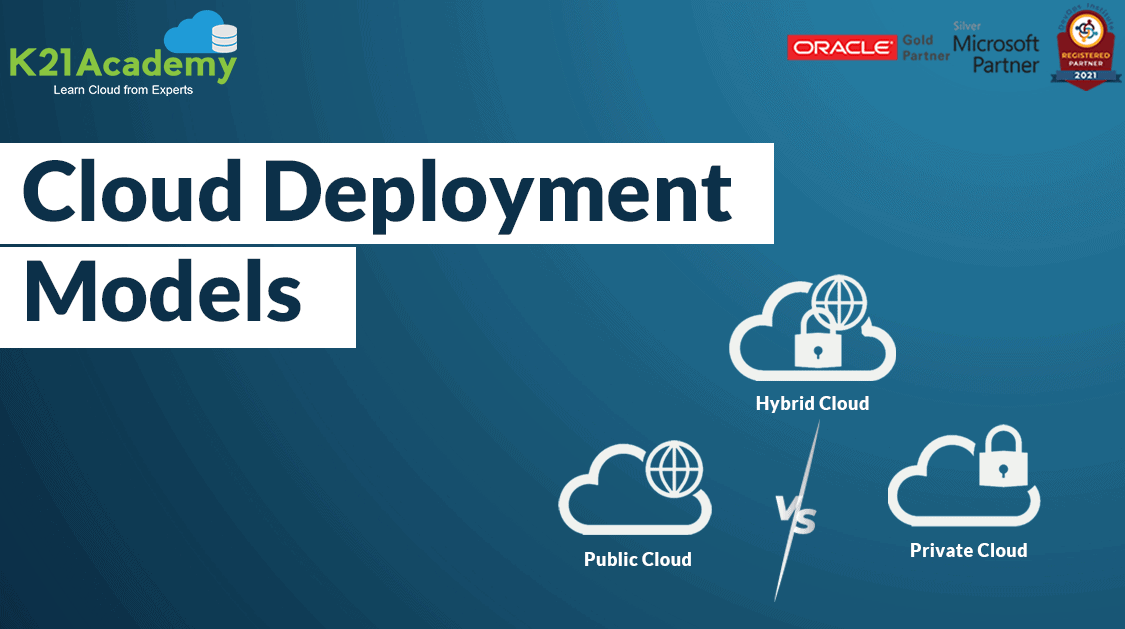
Types of Cloud Computing Deployment Models
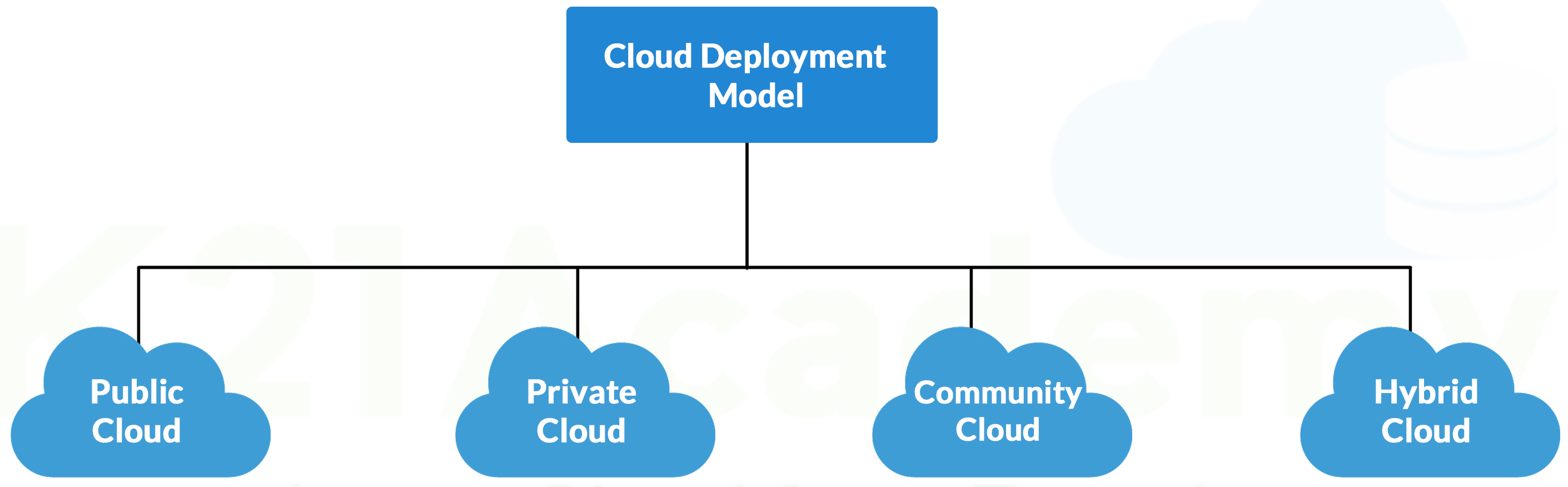
Using cloud deployment models benefits various companies in many ways, such as boosting productivity and providing a competitive advantage. There are mainly four Cloud Deployment Models available. You may ask a question why do we have these many cloud deployment models present? What is the use of them? Well, let’s find out below:
Public Cloud Deployment Model
As the name indicates, the public cloud is available for the general public who want to use computing resources such as software and hardware over the internet. It is a good choice for companies and organizations with low-security concerns. There is no need to manage these resources as cloud computing providers configure and manage these services. Generally, public clouds are used for application development and testing.
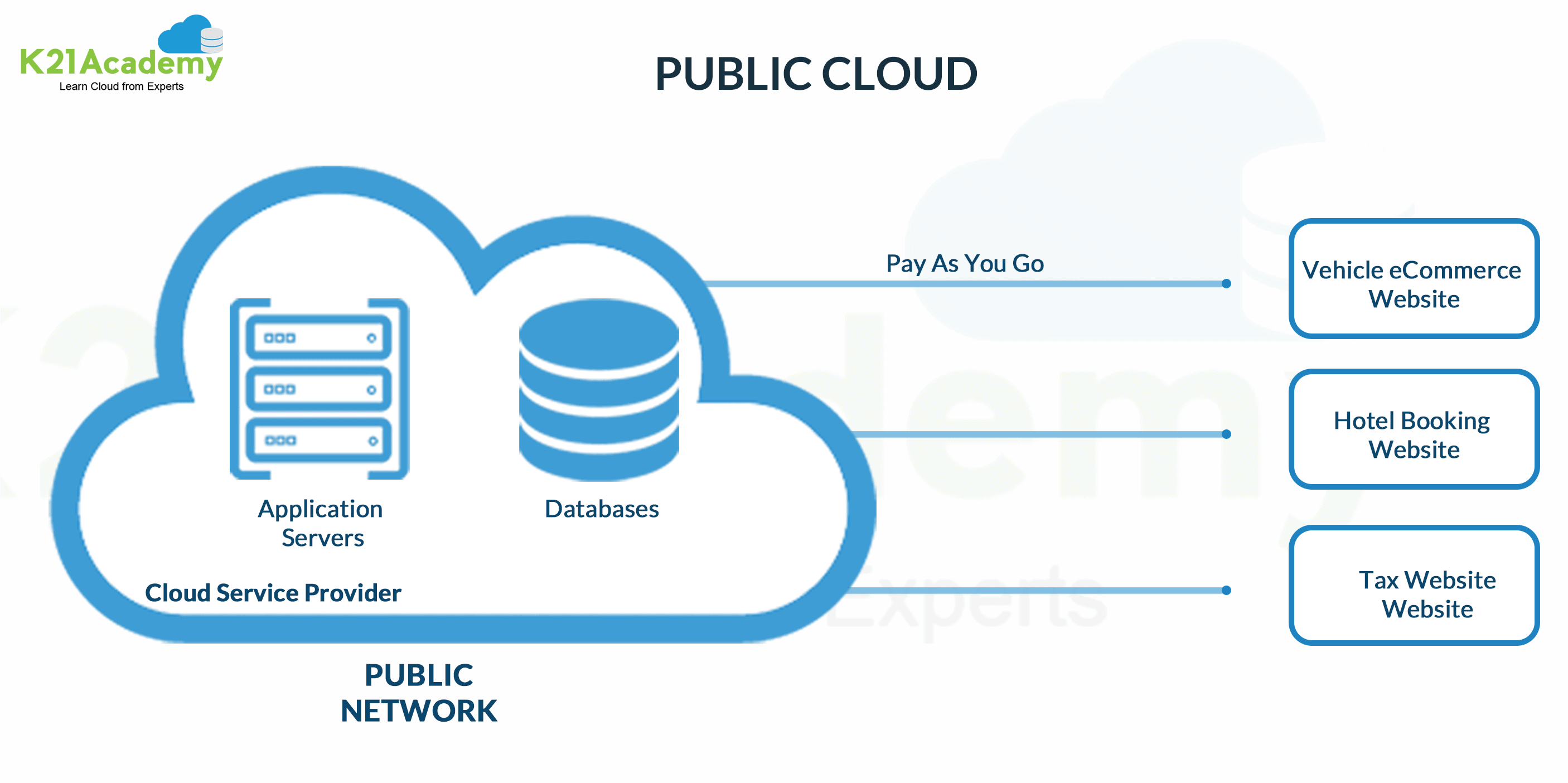
Examples of top Public Cloud Deployment model Providers:
- Amazon EC2
- Google App Engine
- Microsoft Azure
- IBM Cloud
Advantages of Public Cloud
Now, we will see the benefits of the Public Cloud.
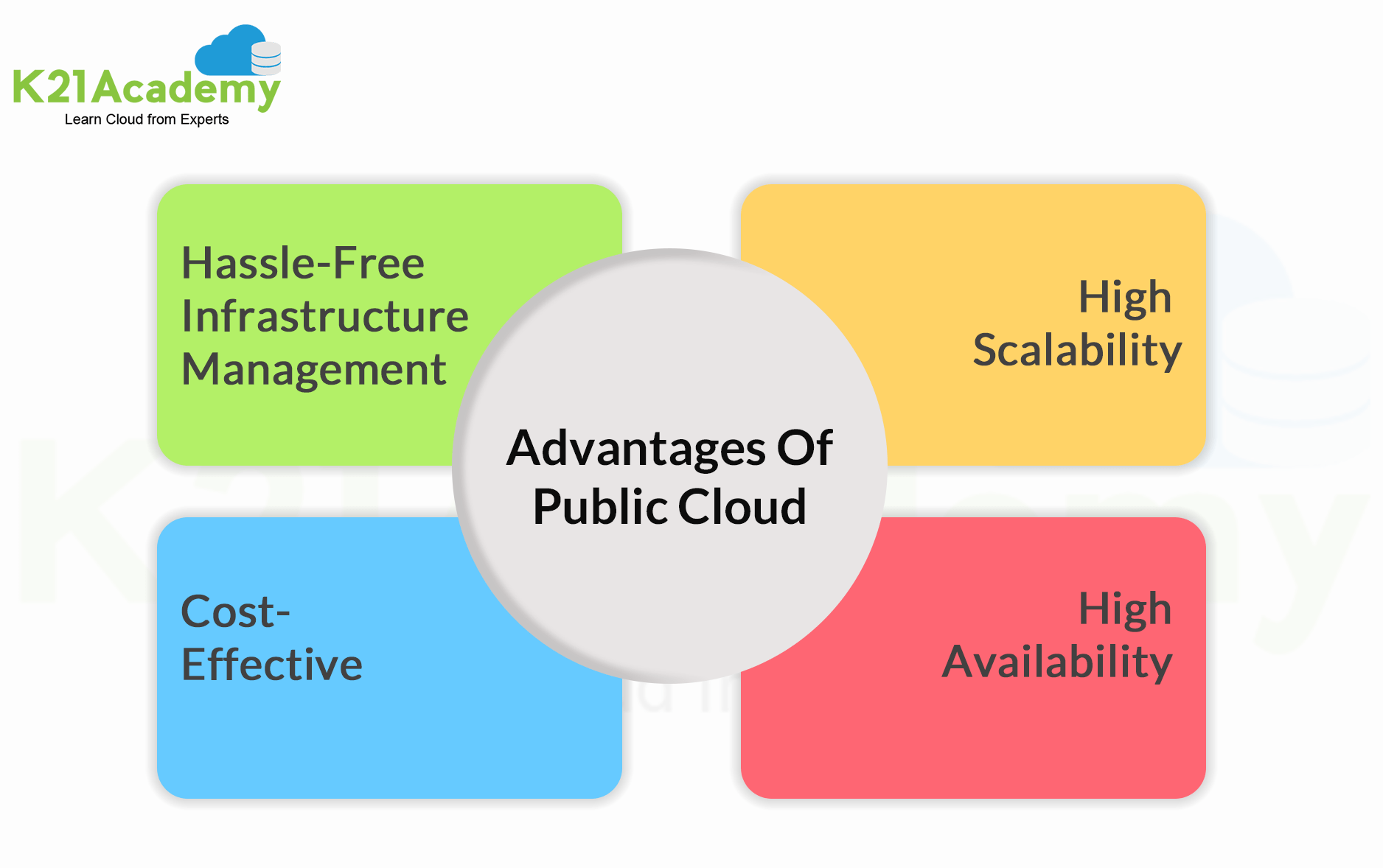
- It provides hassle-free Infrastructure management. There is no need to configure, manage and maintain resources such as hardware and software. Cloud Service Providers does it for you.
- It provides high scalability as you can scale up and down the resources as per the requirement.
- It is a cost-effective way in which you only pay for the resources you use.
- Cloud Computing providers promise 99.99% availability of your infrastructure.
Limitations of Public Cloud
As we discussed the advantages above, now we will see the drawbacks of the Public Cloud.
- Since it is a public cloud where multiple users are using the same resources, it gives rise to data security and privacy concerns.
- There are more chances of compromising reliability because the same servers are available for a wide range of users, which leads to outages and malfunctioning.
- There are service and licensing limitations because users are offered only general services that are insufficient for complex IT tasks.
Also Read: Our blog post on Cloud Career Path. Click here
Private Cloud Deployment Model
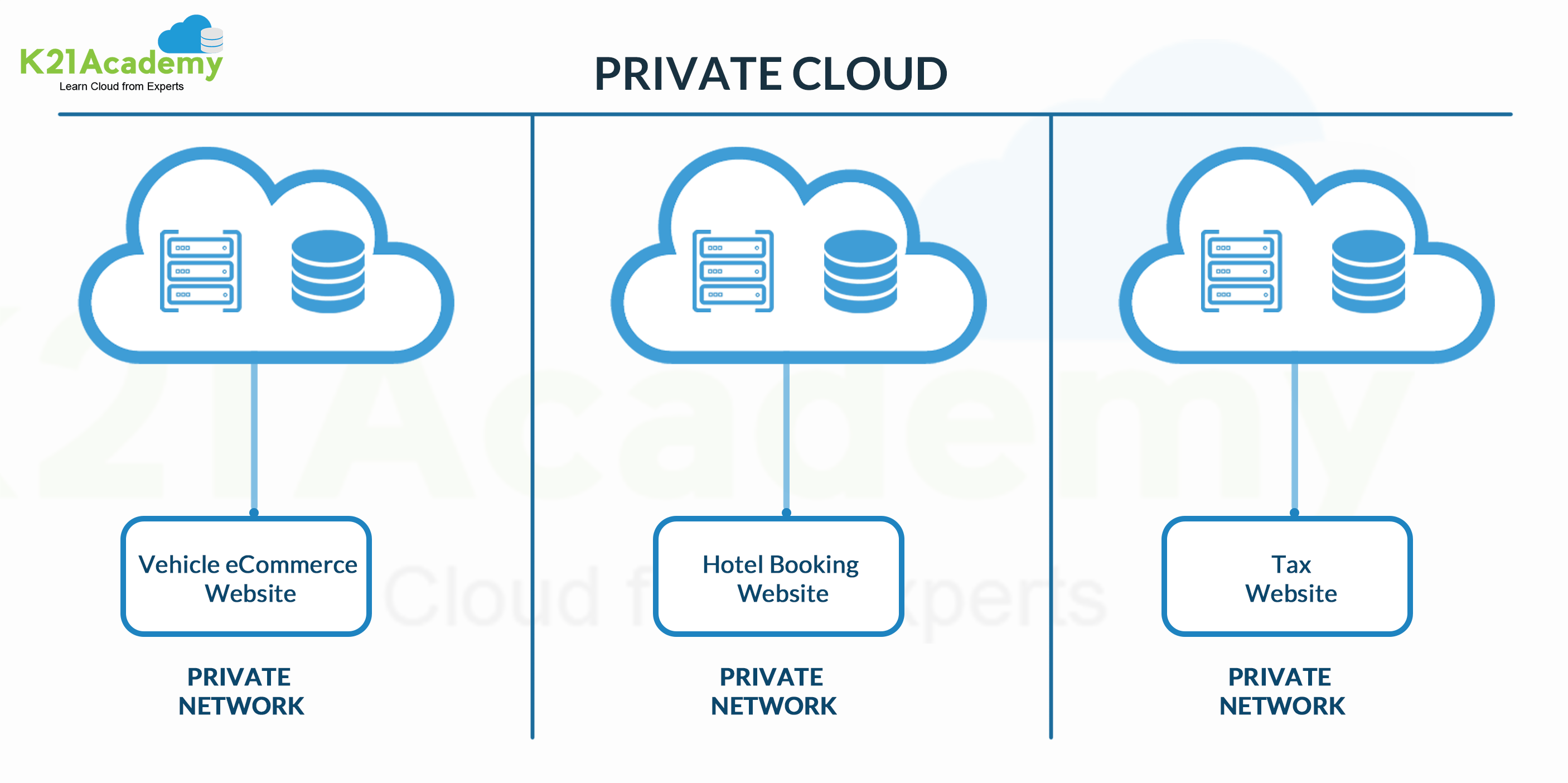
As the name suggests, Private Cloud lets you use the infrastructure and resources for a single organization. Users and organizations do not share resources with other users. That is why it is also called as Internal or corporate model. Private clouds are more costly than public clouds due to their costly maintenance.
Examples of top Private Cloud Deployment model Providers:
- Amazon Web Services
- Microsoft Azure
- Google Cloud Platform
- Dell
- Cisco
Advantages of Private Cloud
Let’s have a look at how Private Cloud is benefiting us.
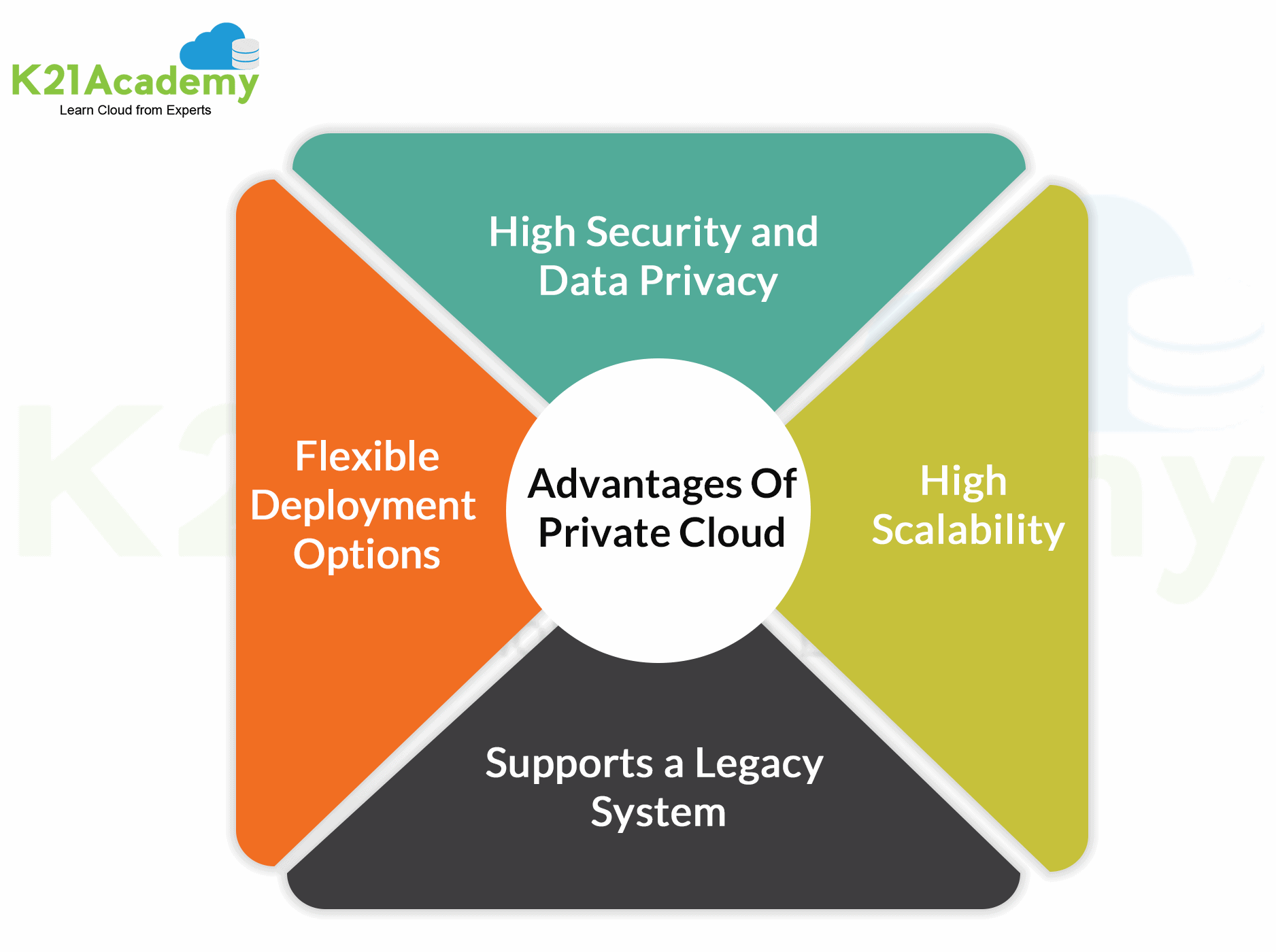
- Private cloud provides high security and data privacy since only authorized users can access the resources.
- It offers high scalability and flexible deployment options that allow companies to customize their infrastructures as per the need.
- Private Cloud supports a legacy system that cannot access the public cloud.
Limitations of Private Cloud
Now we will see the drawbacks of the Private Cloud.
- It is not the right choice for small companies due to its cost. It requires maintaining its infrastructure in-house, leading to staff training and spending a lot on hardware and software.
- It offers fixed scalability as per the choice of hardware.
Community Cloud Deployment Model
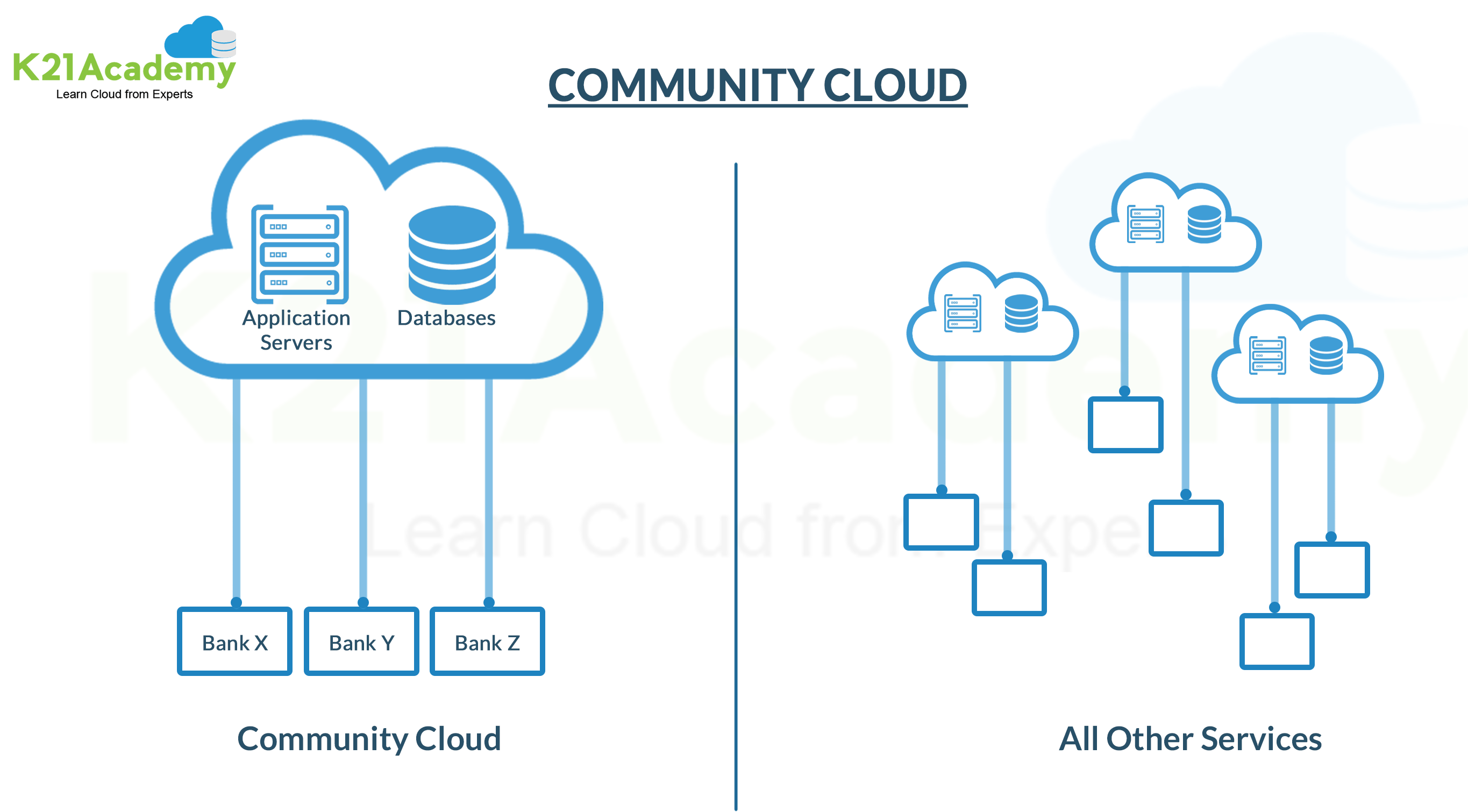
The community Deployment Model is somewhat similar to the Private cloud. In the private cloud, only one user or organization owns the cloud server. In Community Cloud, several companies with the same backgrounds share the cloud server. If all organizations or companies have the same set of security protocols and performance requirements, and goals, this multi-tenant architecture can help them save cost and boost efficiency. This model can be used in the case of project development, implementation, and maintenance.
Advantages of Community Cloud
There are many advantages of Community Cloud. Let’s get familiar with them one by one.
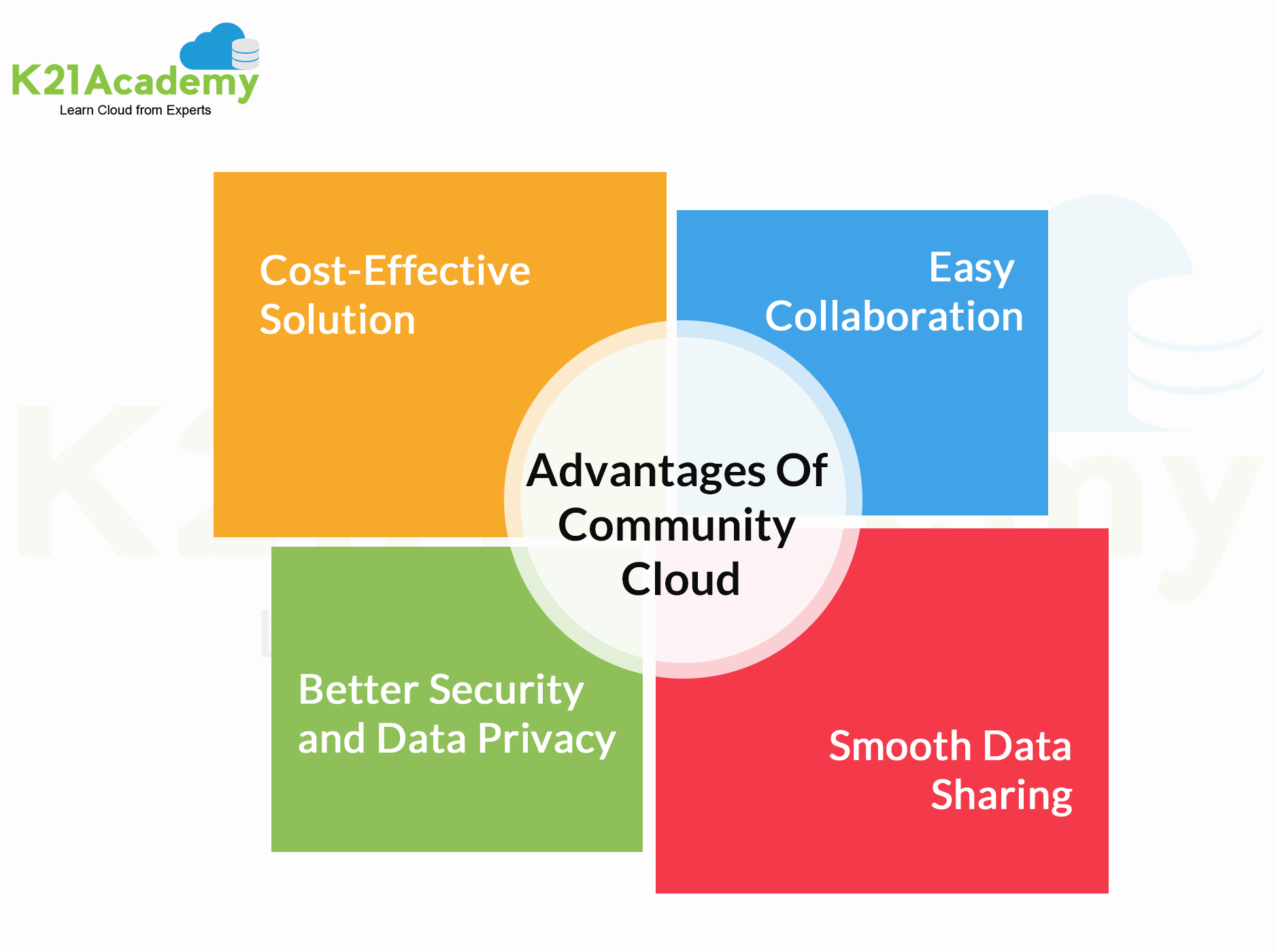
- It is a very cost-effective solution as the cost is splitting into multiple partners.
- It improves security, data privacy, and reliability, making it the perfect choice for the government, banks, and universities.
- As this model is specially designed for a group of organizations, it lets you easily collaborate and share the data.
Limitations of Community Cloud
Let’s discuss the drawbacks of Community Cloud.
- It has a high cost as compared to the public cloud deployment model.
- Community Cloud has not gained much popularity yet. So it is the most rarely used cloud deployment model among all.
- In this model, users often face issues with lower bandwidth capacity with limited storage.
Check out: Top 13 Reasons why learn AWS
Hybrid Cloud Deployment Model
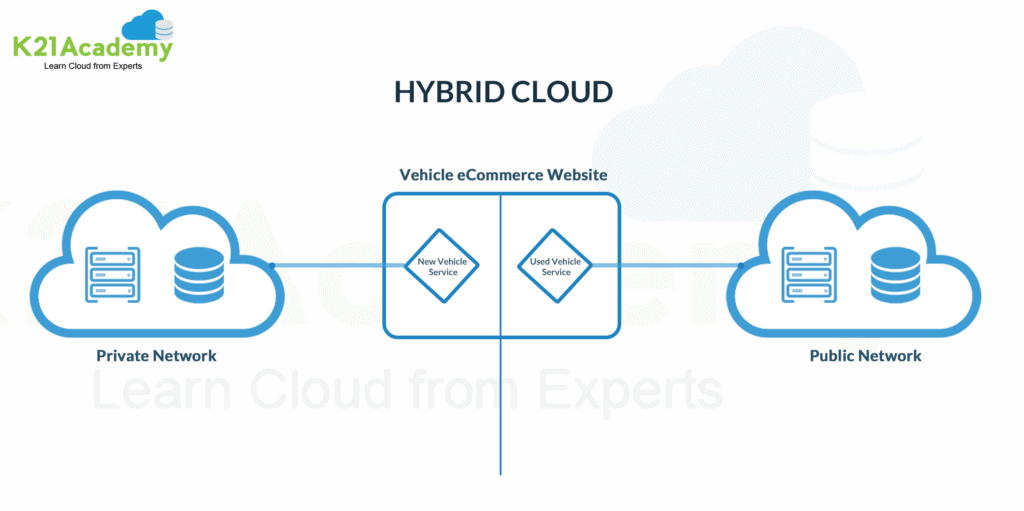
The Hybrid Cloud is a combination of both public and private clouds. Very few companies and organizations can migrate their tech stack to cloud computing rapidly in one go. Hence, Cloud vendors came up with a hybrid cloud that offers a smooth transition with public and private cloud facilities. They keep the sensitive data in the private cloud and non-sensitive data in the public cloud.
Advantages of Hybrid Cloud
Let’s see what the strengths of Hybrid Cloud are.
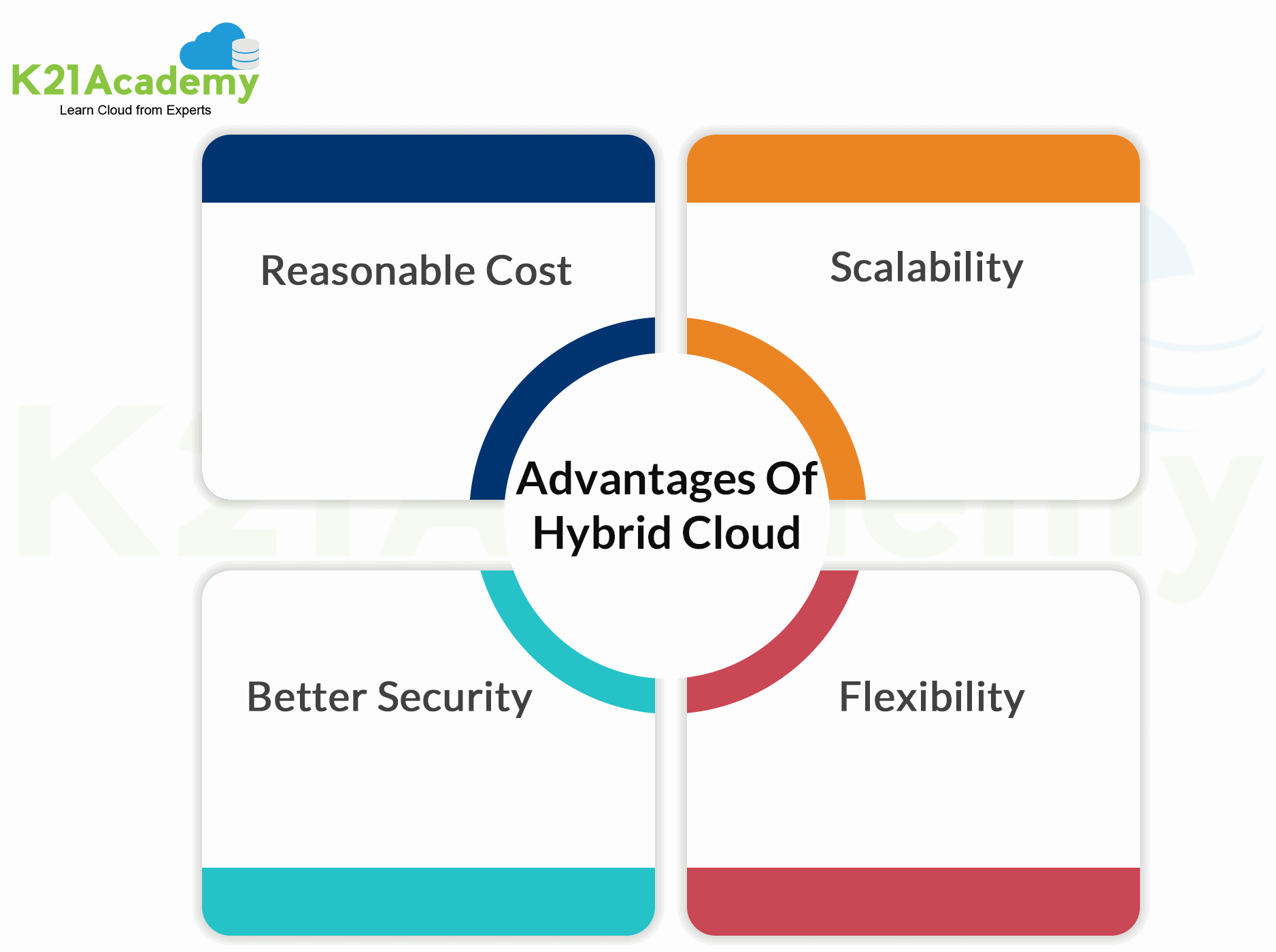
- One of the major advantages of a hybrid cloud is that it comes up at a reasonable cost.
- It enhances the scalability and flexibility of resources.
- It offers improved security.
Limitations of Hybrid Cloud
Let’s look at the shortcomings of Hybrid Cloud.
- Setting up a hybrid cloud is a complex process as two or more clouds are getting integrated.
- This model applies to organizations with multiple use cases and wants to separate the critical data from non-critical data.
FAQs
Ans. Gmail is an example of Software as a Service.
Conclusion
Cloud Computing has changed drastically over the past decade. While migrating to cloud computing, many things need to be taken care of. Each deployment model has its own benefits and drawbacks as per the situation. By carefully considering all business and technical requirements, studying these cloud computing deployment models in detail, you can successfully make a shift to the cloud.
Related/References
- Cloud Computing Service Model: SaaS | PaaS | IaaS
- Google Cloud Free Account: Steps to Register for Free Trial Account
- How to Create AWS Free Tier Account
- Azure Free Account: Steps to Register for Free Trial Account
- [AZ-900] Microsoft Azure Certification Fundamental Exam: Everything You Must Know
Next Task For You
Begin your journey toward Mastering Azure Cloud and landing high-paying jobs. Just click on the register now button on the below image to register for a Free Class on Mastering Azure Cloud: How to Build In-Demand Skills and Land High-Paying Jobs. This class will help you understand better, so you can choose the right career path and get a higher paying job.


![Microsoft Agentic AI Business Solutions Architect [AB-100] | K21 Academy](https://test.k21academy.com/wp-content/uploads/2025/11/Microsoft-Agentic-AI-Business-Solutions-Architect-AB-100-Exam-Overview1.png)