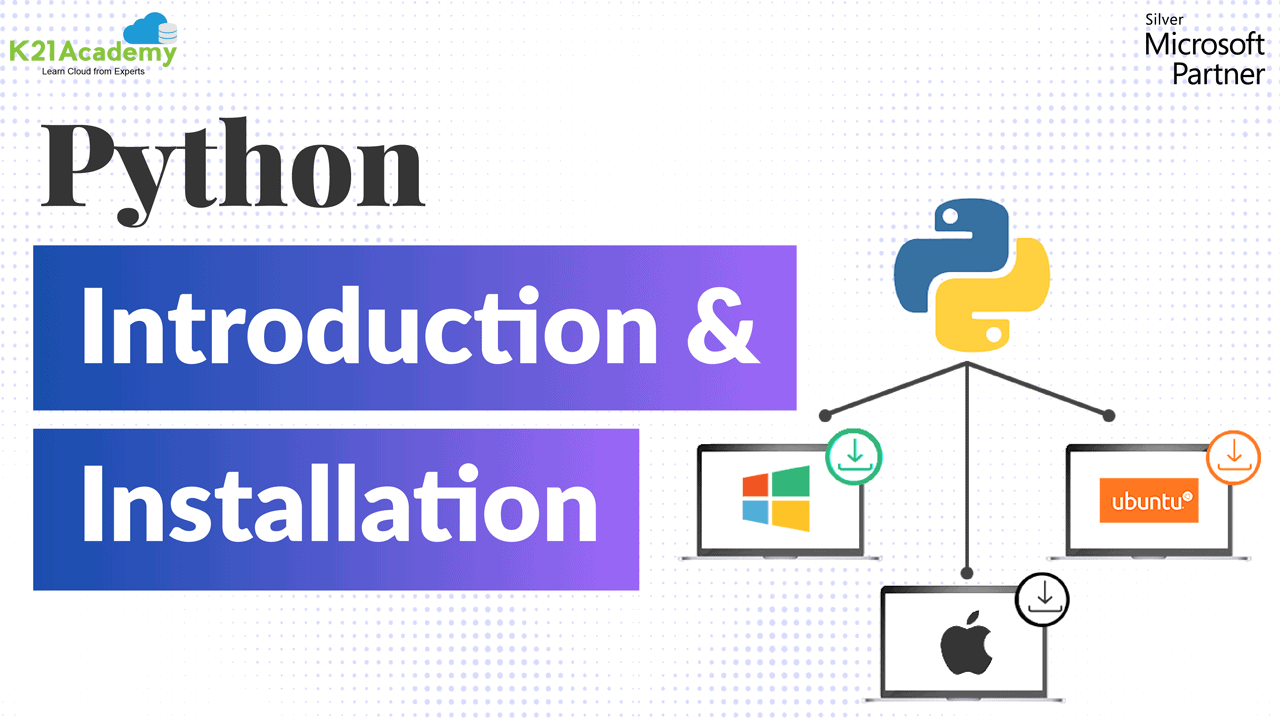


Programming languages enable us to communicate with our machines and plays a crucial role in machine automation. There are various programming languages available, and Python is one of them. This blog will cover everything about Python, its applications, and how you can install it on your system.
- Overview of Python
- Why Python?
- Python Applications
- Download and Install Python
- Frequently Asked Questions (FAQ)
- Conclusion
Overview of Python
Python is an open-source interpreted high-level programming language used by most developers around the world. Although there are various programming languages present for different use cases, Python is a multi-functional language. It follows an object-oriented approach with a well-defined control structure that help programmers to write clear and logical code for small and large scale project. Python is most popular with its easy code structure.
Why Python?
Python programming language has various benefits over others, such as:
- Python is simple and can be learned by non-technical people quickly.
- Python is a high-level and user-friendly language with easy syntax and code structure.
- Python is an object-oriented and functional programming language.
- Python is interpreted language, which means unlike other languages (C++/Java), it executes code line by line without compiling. It allows easier debugging of code for the developers.
- Python is portable and flexible that is platform-independent (Windows/Linux/iOS).
- Python has a huge collection of libraries and packages for regular expressions, browsers, threading, CGI, email and more.
Also Check: Our blog post on Python IDE.
Python Applications
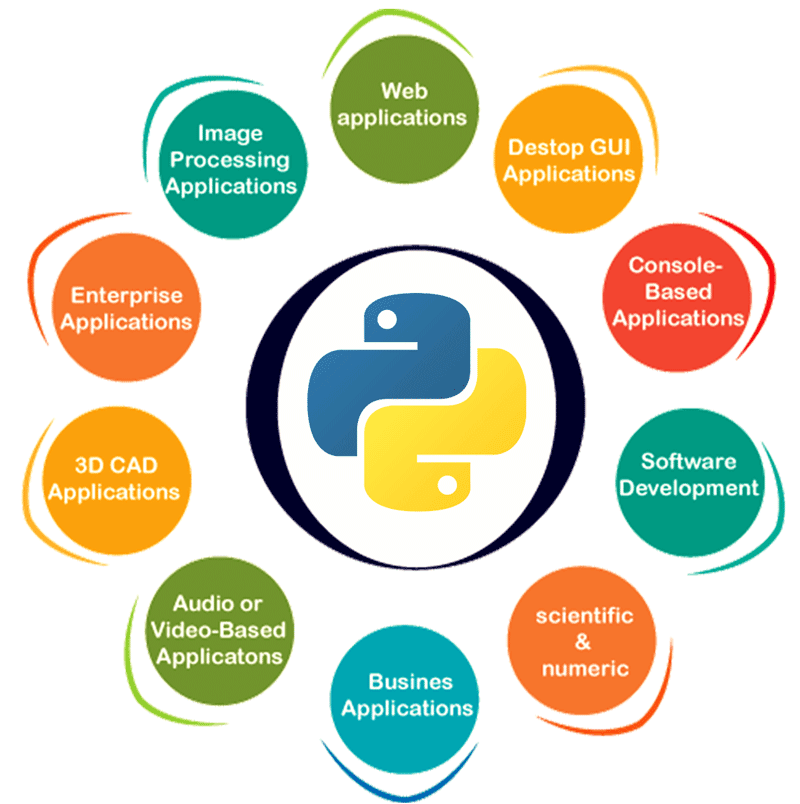
Python has endless applications such as:
- Web Development: Python offers various web frameworks like Django, Pyramid, Flask, Bottle and more for Web Development. All web frameworks are known for security, flexibility and scalability.
- Web Scraping: Python helps extract huge amounts of data from websites and pages used for analytics, research, and development. Some web scraping tools based on Python are Scrapy, BeutifulSoup, MechanicalSoup and Selenium.
- Artificial Intelligence: Applications based on AI & ML require a stable, flexible, and secure language. Python has all the qualities, and thus data science professionals prefer this over other languages.
- Neural Network: Neural Networks are based on our brain cells and require many datasets that Python can handle.
- Image Processing and Graphics: Python is used globally to build 2D imaging tools like GIMP, Inkscape & Scribus and 3D animation packages in tools like Blender, Cinema 4D, 3DS Max, Maya and more.
- Game Development: Python is loaded with many libraries for game development.
- Database and Networking: Python is also used to manage database and networking programs.
Read More: Python for Beginners
Download and Install Python
Python is an open-source programming language that you can download and use on your system without any cost. Just follow the steps below to download and install Python on your system.
Step 1) Visit Python’s official download page.
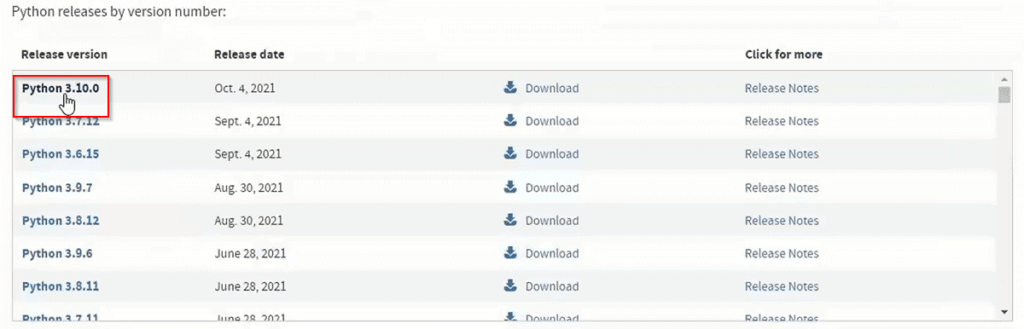
Step 2) Look for the version you need and select it, as shown in the image below.
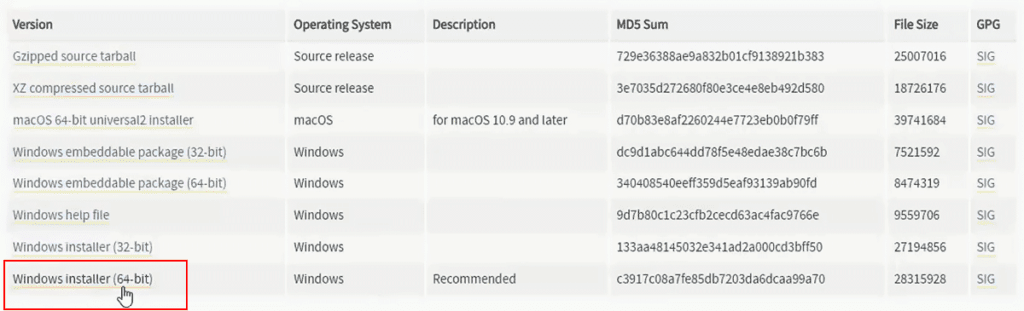
Step 3) Under the release, you will get options to select your hardware system. Select your system, and download will start.
Step 4) After downloading Python, open the package file.
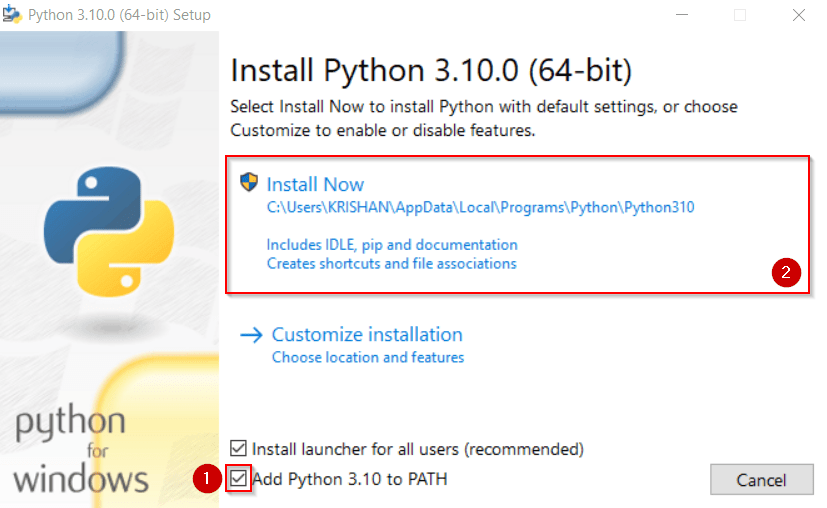
Step 5) In the install window of Python, select the checkbox to add Python to your path. Now click on the Install Now button, and your installation will complete in a few minutes.
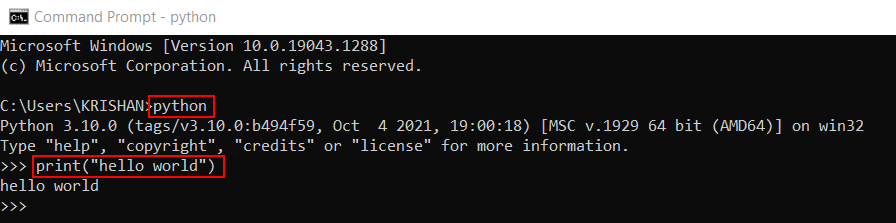
Step 6) To confirm Python is installed on your system, open your Command Prompt. Type Python and click on the enter button. Your Python will become active, and you will see a confirmation on your screen.
Step 7) You can also test some basic python code, such as print command, as shown in the image below.
Note: If you have not added Python to your path, your Python will not become active, and you will not see any confirmation on your screen.
Also Check: Our blog post on Python Function.
Frequently Asked Questions (FAQ)
1) Why is Python so popular?
Python is an easy-to-learn programming language that is secure and flexible and has an endless number of applications.
2) Who uses Python?
Python is used by various top leading brands like NASA, Intel, IBM, Pixar, Netflix, etc.
3) Can a non-technical person learn Python?
No one is born a techie, and anyone can learn technical things. Also, Python is one of the simplest programming languages, so beginners, including non-technical people, can quickly start programming with Python.
4) Where to learn Python?
With a lot of research and effort, you can find various online sources to learn Python. But, if you want to start your career with a specialized Python course, you can register for our FREE Class to get an overview of the concepts explained in our course.
Conclusion
Python is a fast, secure and reliable programming language with very promising growth in future. In this blog, we learned about the importance of Python and various applications. From basic applications to advance machine learning and neural networks, Python covers all of them.
Related References
- Python For Data Science: Why, How & Libraries Used
- Data Scientists vs Data Engineers vs Data Analyst
- Introduction to Python, Objects and Data Structure Basics
- Python Loops and Control Statements
- Python Methods and Functions
- Python OOPs Concepts, Error And Exception Handling
Next Task For You
Data science is a rapidly growing field, and the demand for data science skills and expertise is expected to continue to increase in the coming years. The exponential growth of data has been staggering in recent years.
As data becomes increasingly important in driving business value, the demand for data science professionals is expected to continue to grow in the coming years.
Begin your journey toward becoming a Data Science Expert. Join our FREE CLASS on How to Build a Career in Data Science


![Microsoft Agentic AI Business Solutions Architect [AB-100] | K21 Academy](https://test.k21academy.com/wp-content/uploads/2025/11/Microsoft-Agentic-AI-Business-Solutions-Architect-AB-100-Exam-Overview1.png)