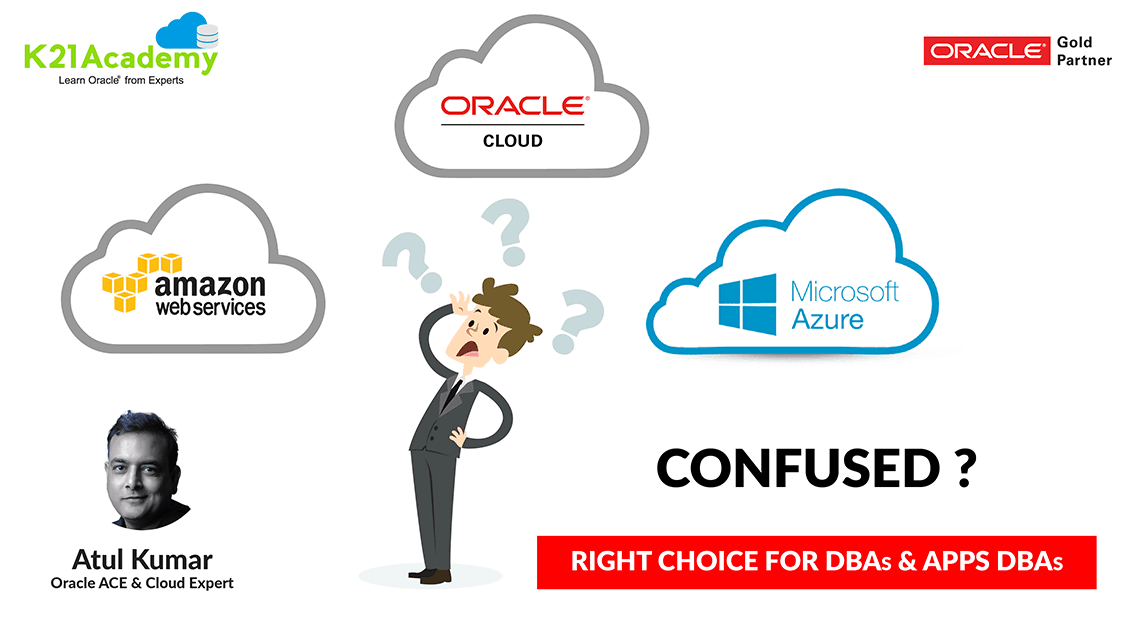


In this post, I’m going to cover which is the right Cloud choice for a beginner or DBAs already working on Oracle applications like E-business Suite, PeopleSoft, JD Edwards, or Fusion Middleware like Weblogic, SOA, OBIEE, etc.
Is it Amazon AWS, or Microsoft Azure, or Oracle’s Gen 2 Cloud (OCI)?
It is the most common question which I have been asked frequently in our DBA To Cloud DBA FREE Masterclass or in our FREE Facebook Community so I think of discussing the same with our Trainer & Cloud Expert Rajeev.
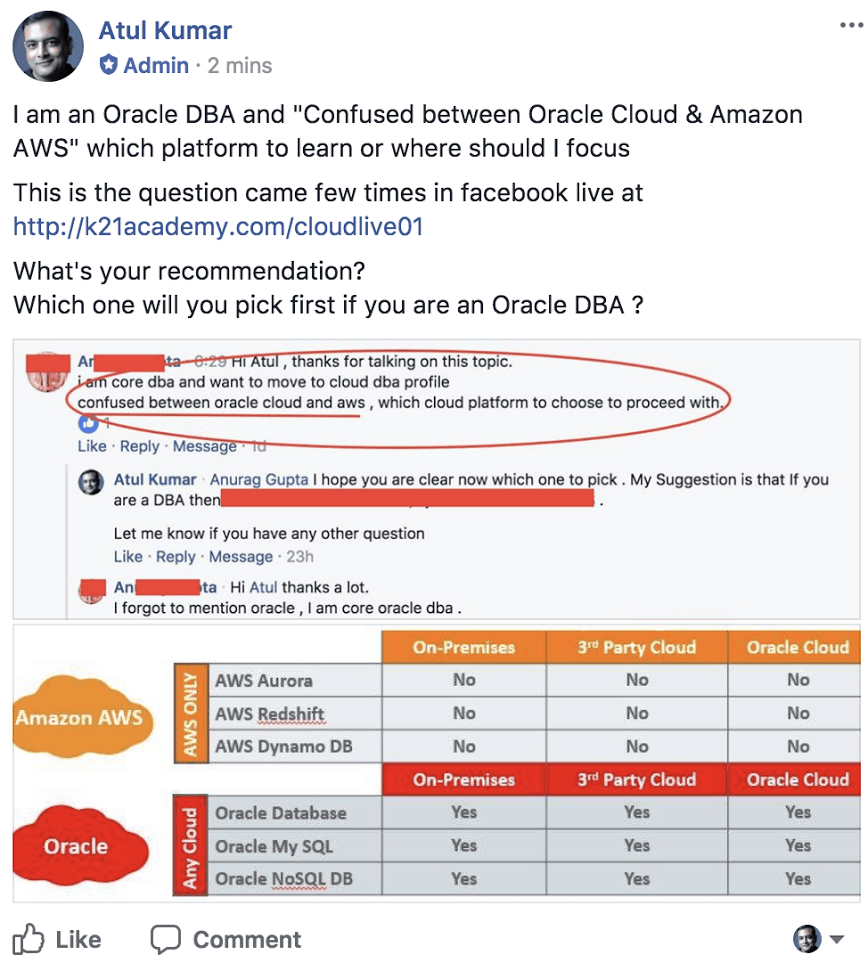
“I am an Oracle DBA/Apps DBA and “Confused between Oracle Cloud, Amazon AWS & Microsoft AZURE” which platform to learn or where should I focus?”
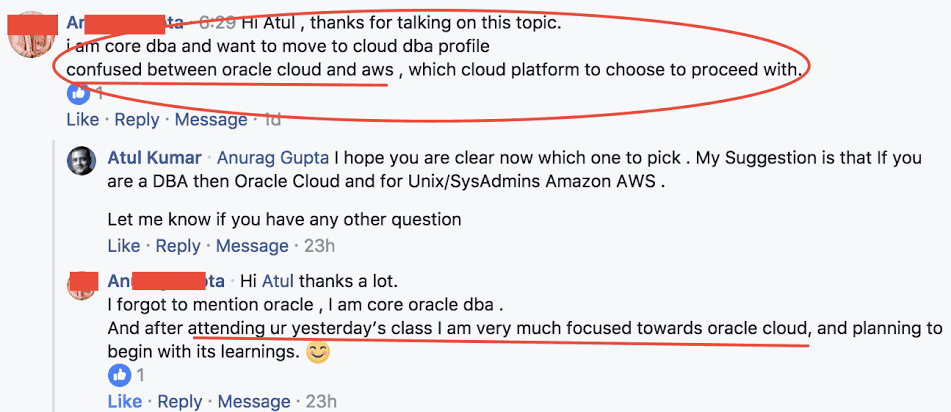
Well, If you would have asked this question to me a few years back, I would have said AWS without a doubt.
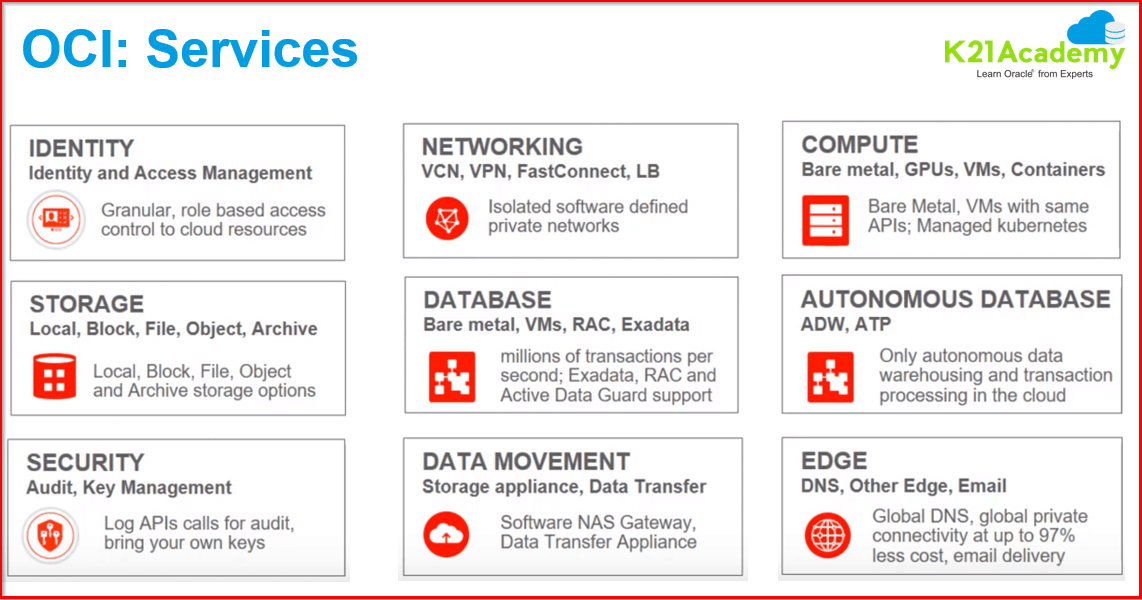
A lot has changed since then especially in the last 2-3 years where Oracle introduced its Gen 2 Cloud – OCI (Oracle Cloud Infrastructure) & also Oracle Exadata on Cloud (ExaCS), Autonomous Database for DBAs.
Note: To know more about Co-managed databases click here
Note: To know more about Oracle Exadata on Cloud click here
Note: To know more about Oracle Autonomous Database for DBA’s click here
Exadata is available on Cloud and Cloud@Customer. Read our blog to know more about Exadata Deployment Options: Cloud Service (ExaCS) vs Cloud at Customer (ExaCC) vs Exadata Machine
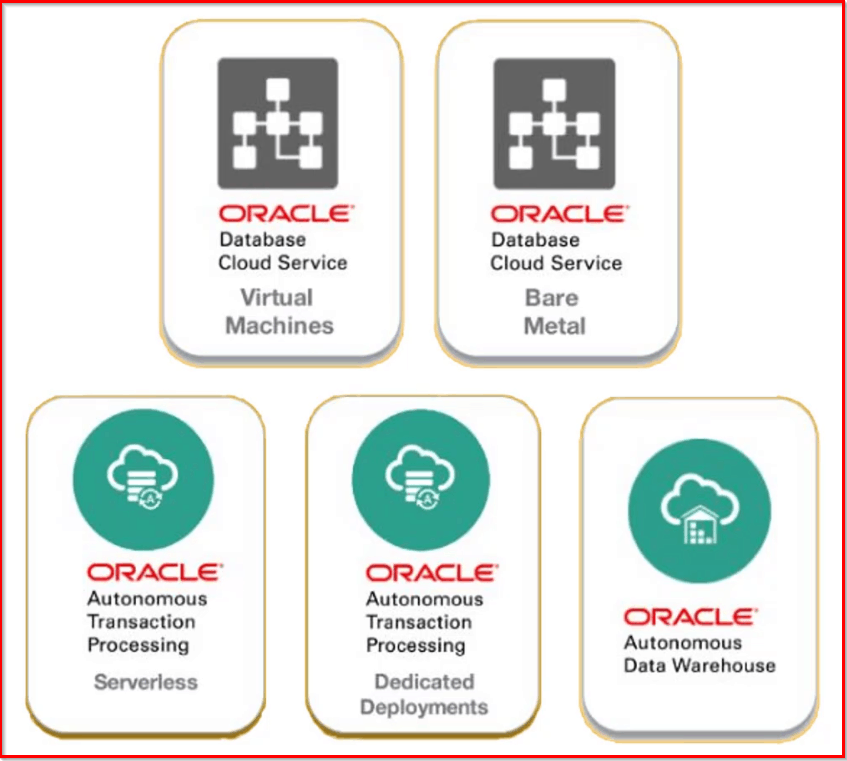
Database is one of the 5 pillars of cloud computing and it is a managed platform as a service (PaaS) offering from Oracle in which your databases are hosted on Oracle Cloud Infrastructure (OCI). In Database Cloud Service, you can choose from three different infrastructure options—Bare metal, VMs, or Exadata.
Cloud for DBAs: AWS | Oracle Cloud | AZURE
In order to get the right answer for you, first, you need to understand what offerings we are getting from these Cloud Vendors.
If we look at the Cloud Offerings (SaaS, PaaS, IaaS). IaaS is Amazon’s Strong area, PaaS is AZURE’s strong area, but there is no vendor that can provide all three IaaS, SaaS & PaaS as good as Oracle.
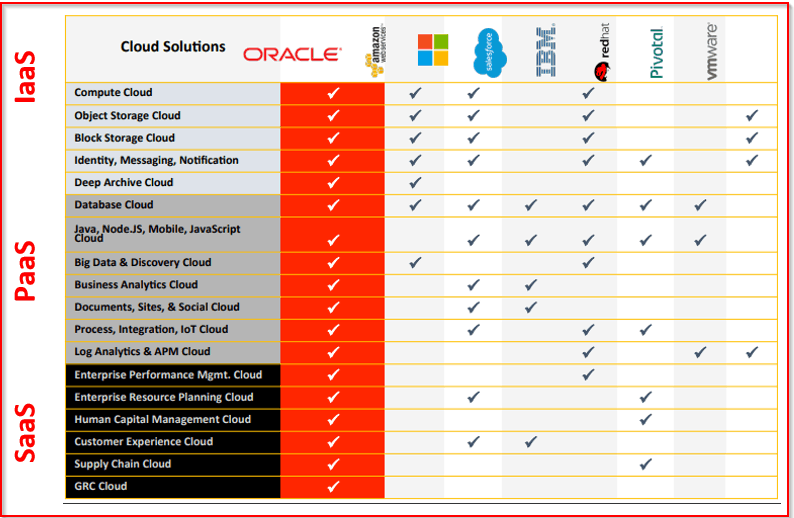
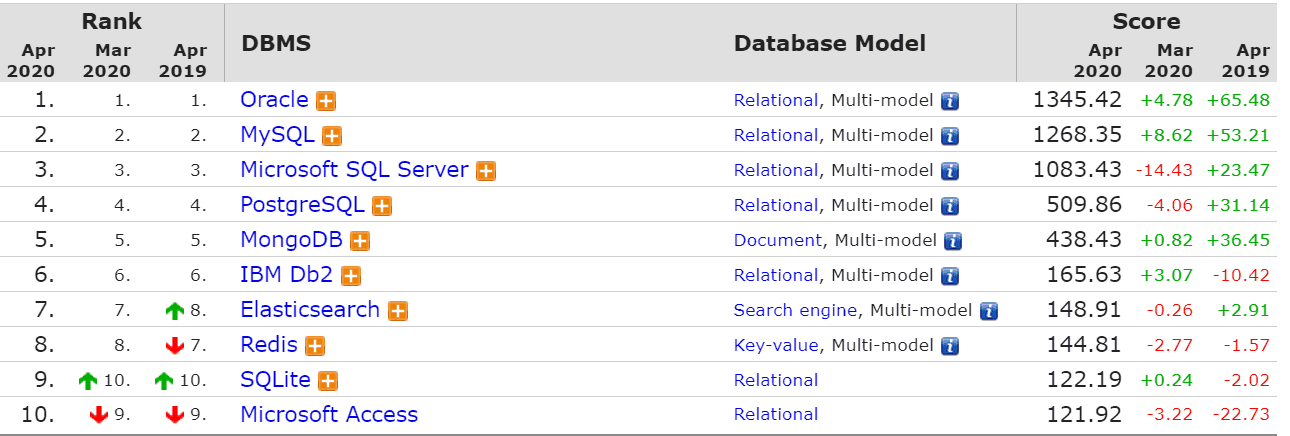
Note: If you look at the database management system analysis run by Gartner, In the market share, Oracle is the number 1 player & The Future of Database Management Systems is Cloud!
Cloud Service Models
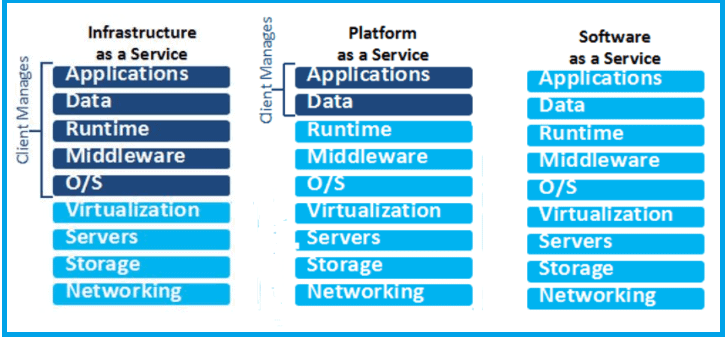
The very first thing you should know before starting your Cloud DBA journey is the Cloud Service Models i.e. SaaS, PaaS & Iaas. As a DBA, you will work closely on PaaS & Iaas.
1. SaaS:
Stands for Software as a Service, where almost everything is handled by Cloud vendors like Oracle, SalesForce or Google (for Gmail), etc. All clients need is to buy a license and start using Service. Example of SaaS from Oracle includes Fusion Applications, ERP Cloud.
2. PaaS:
Stands for Platform as a Service, where a platform like a Database or Application Server or Web Server is provided by Cloud Vendor on Cloud with all the tools necessary to manage these.
Clients (and You as Cloud Administrator) still need to patch or do backup & recovery or Upgrade or Clone specific platforms like Database or Application Server in PaaS. You will get the necessary tools from Cloud Vendor (like DBaaSCLI to patch & Restore, bkup_cli for Backup) so that you as Cloud Admin can do these tasks by a click of a button or using REST API.
There is a lot of work for DBA’s in Oracle PaaS, for a full list of Roles/tasks performed by DBA’s in Cloud check at
3. IaaS:
Note: Read our blog to know more about Cloud Service Models
Oracle Leads in 2020 Magic Quadrant for Cloud Database Management Systems
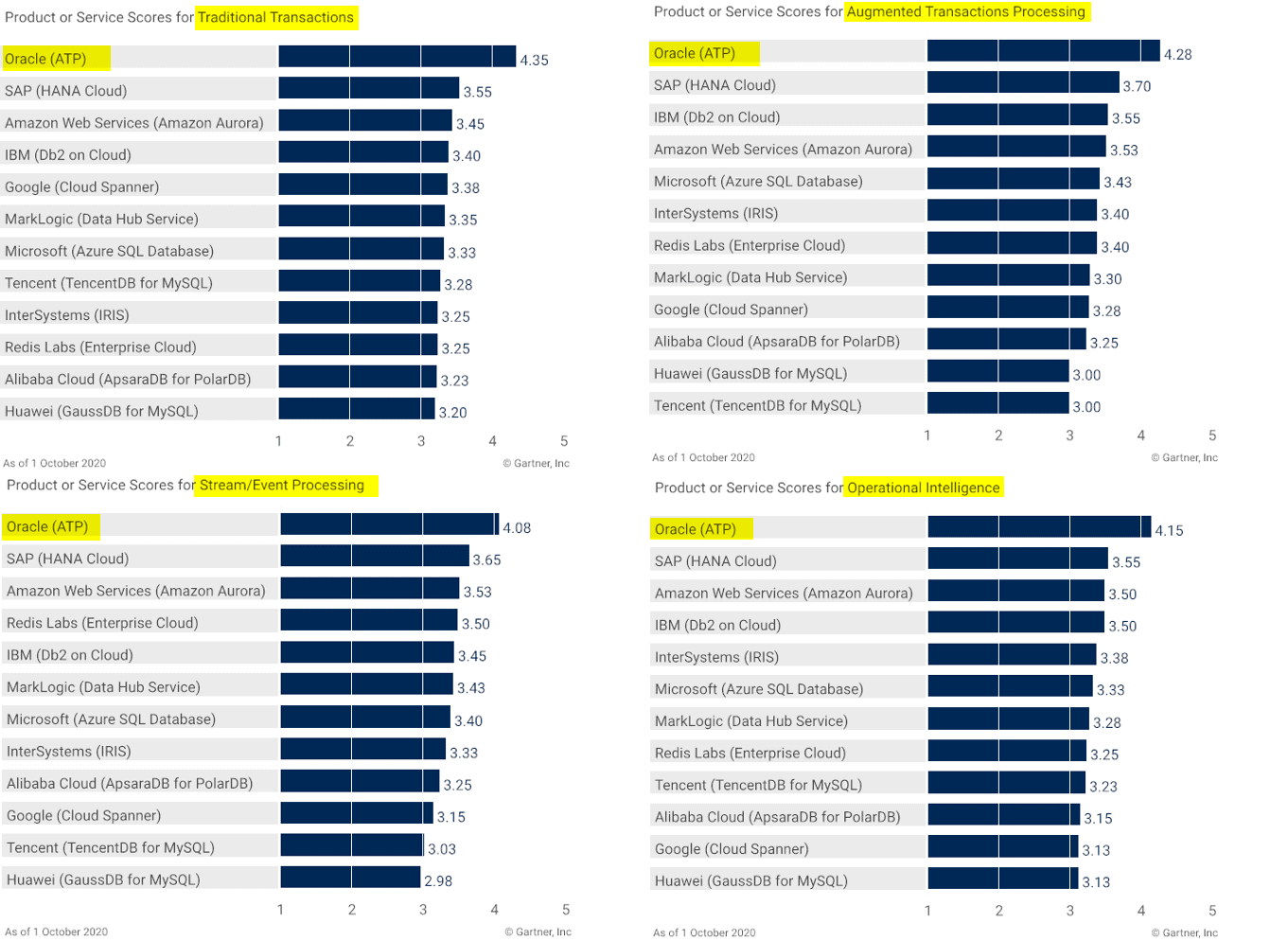
Gartner recognizes Oracle Autonomous Database in its recently published cloud database market reports. Gartner defines Cloud Database Management Systems (DBMS) as a fully provider-managed public or private cloud software system that manages data in cloud storage.
Oracle Autonomous Transaction Processing (ATP) ranked highest in the 2020 Gartner “Critical Capabilities for Cloud Database Management Systems for Operational Use Cases” report in the following four Use Cases: traditional transactions, augmented transaction processing, operational intelligence, and stream/event processing. Additionally, Oracle Autonomous Data Warehouse (ADW) ranked first in Operational Intelligence.
Performance
If you look at the price for performance, you would see that most of the other vendors are having a greater possibility in terms of taking more money from you as a customer, but from Oracle, you would get a better price to performance
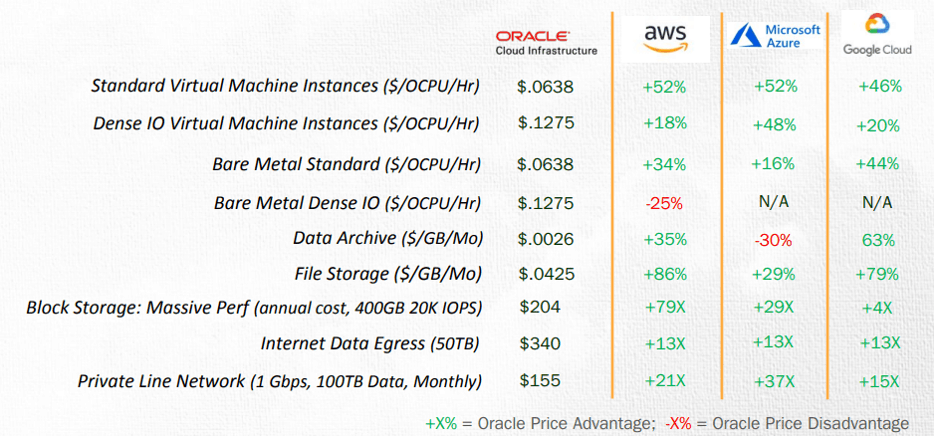
Note: Local NVMe SSD that Oracle provides for DBaaS are superior to the storage Amazon provides for RDS.
Oracle for Great Experience
In terms of Great Experience, You don’t have all the applications certified in AWS or AZURE, you don’t have RAC certified on AWS, you don’t have Exadata on AWS.
If you want to have a Great Database Experience, Better Performance & wanted to have Great Pricing, All these included in Oracle Cloud that is on Oracle Cloud Infrastructure(OCI)
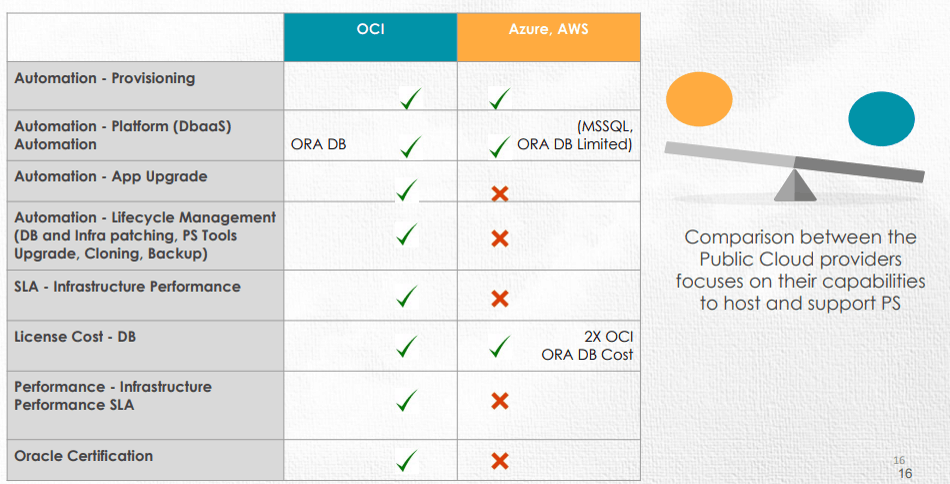
AWS Aurora RDS vs Oracle Database Cloud Service
There is no doubt that Amazon is the leader in IaaS (followed by Microsoft Azure, Oracle is catching up with next Generation Bare Metal Cloud Service now called Oracle Cloud Infrastructure) but if you look at Database Market, Oracle is Leader (No. 1) in Database (Source: DBEngine).
I am a DBA: Should I go for Amazon AWS, AZURE, or Oracle Cloud
Now to the actual question, If you look at all the above points, Oracle being a leader in Database and given Oracle’s huge investment in the last 2-3 years in Cloud, and your existing experience as Oracle DBA, you can decide the right option for you.
Think from the Client’s point of view, would they be comfortable running Oracle Database on Oracle Cloud (with all DBCS features & Tools) or Oracle Database on Amazon AWS (IaaS Offering) with very little Cloud Benefits.
If you trust and believe me, Oracle Cloud (Database Cloud Service – DBCS) is a much better option for DBAs & Apps DBAs (Once you learn and become an Expert in Oracle Cloud for DBA’s then, by all means, pick AWS IaaS).
What’s your suggestion for DBA’s thinking of Cloud? What would you do?
Join the discussion in our Private Facebook Group for Cloud (Note: Your Reply can change someone’s Future)
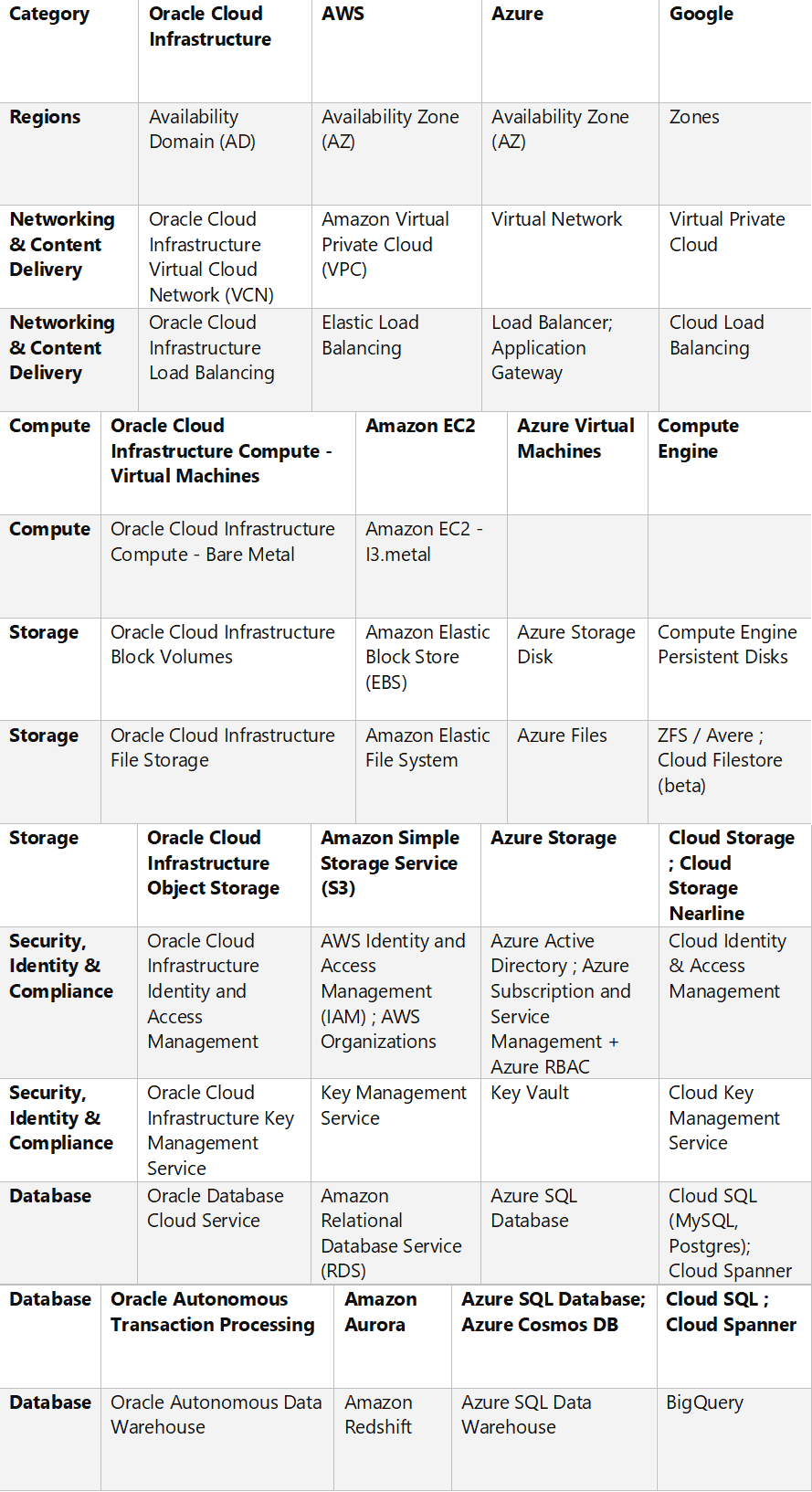
Cloud Service Mapping
Different cloud vendors provide different cloud services using this cloud service mapping you can easily compare the different cloud services on a different cloud.
If you are a beginner in Cloud then I will highly recommend you to check our previous posts :
- Databases In Oracle Cloud (OCI) – VMDB | BMDB | ExadataCS
- [Video] Roles & Responsibilities of Oracle Cloud DBA: Tasks
- Oracle Cloud for DBAs: 9 Things Every Beginner Should Know
- [Video] Oracle Cloud Database Deployment Options (VMDB, BMDB, ExaCC, ExaCS & Autonomous (ADW, ATP)
Next Task For You
If you want to upgrade your career from an Oracle DBA to Oracle Cloud DBA, and wants to clear Oracle Cloud Database Service Specialist[1Z0-1093-21] & Oracle Cloud Autonomous Database Certification[1Z0-931-21] with 18 Hands-On labs, then register for a FREE class, and don’t miss an opportunity to gain a plethora of insights on becoming a certified Oracle Cloud DBA.


![Microsoft Agentic AI Business Solutions Architect [AB-100] | K21 Academy](https://test.k21academy.com/wp-content/uploads/2025/11/Microsoft-Agentic-AI-Business-Solutions-Architect-AB-100-Exam-Overview1.png)