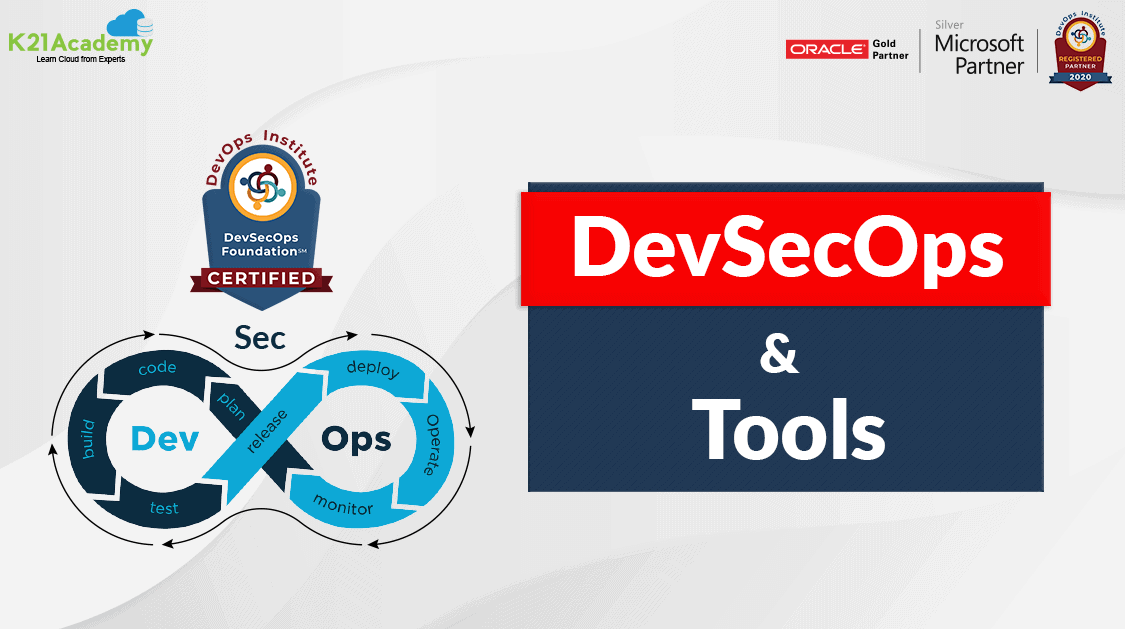




This blog talks about DevSecOps and how it’s all about introducing security earlier in the life cycle of application development, thus minimizing vulnerabilities and bringing security closer to IT and business objectives.
The technologies that are covered in this blog are a part of the Azure DevOps environment. If it’s something in which you have an interest or you want to learn, then you can visit our blog to learn more about the DevOps Foundation Certification Exam
Why DevSecOps Is Important?
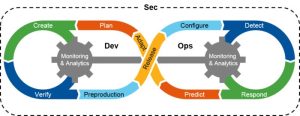
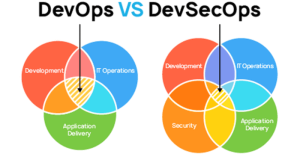
DevSecOps V/S DevOps: The Integration
Integrating security into DevOps to deliver DevSecOps requires new mindsets, processes, and tools. Security and risk management leaders need to adhere to the collaborative, agile nature of DevOps to be seamless and transparent in the development process, making security as silent and seamless as possible. However, this is difficult for two different disciplines.
How To Integrate The DevSecOps?
- A developer creates code within a version control management system.
- The changes are committed to the version control management system.
- Another developer retrieves the code from the version control management system and carries out an analysis of the static code to identify any security defects or bugs in code quality.
- An environment is then created, using an infrastructure-as-code tool, such as Chef. The application is deployed and security configurations are applied to the system.
- A test automation suite is then executed against the newly deployed application, including back-end, UI, integration, security tests, and API.
- If the application passes these tests, it is deployed to a production environment.
- This new production environment is monitored continuously to identify any active security threats to the system.
Also Read: Our previous blog post on Microsoft Azure DevOps. Click here
Categories Of DevSecOps
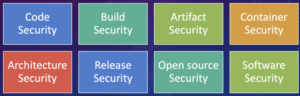
Code Security Tools
- SonarQube / SonarCloud
- Source Guard
- Shiftleft Scan
- checkmarx
- Veracode Greenlight
Build Security Tools
- Burp Suite
- Zed Attack Proxy (ZAP)
- ModSecurity
- WhiteSource Bolt
- Skipfish
- Veracode SourceClear
Code Security Tools
- Yelp
- CredScan
- Changeme
- Secret-code-scanner
- Veracode Greenlight
Check Out: what is Veracode? Click here
Artifactory Security Tools
- Jfrog Xray
- Kroll Parser
- Archiva
- Aqua
- Anchore
SCA Security Tools
- Qualys
- Snyk
- WhiteSource
- Veracode
- CheckMarx
Container Security Tools
- Aqua Security Tools
- Anchore Container security
- Whitesource
- Twistlock
- Qualis
- Clair
Penetration Testing Tools
- Qualys
- Snyk
- WhiteSource
- Veracode
Threat Modelling Tools
- OWASP Threat Dragon
- Microsoft Threat Modelling Tool 2016.
- Threat Modeler
- Raindance
- Threatspec
Also Read: Our previous blog post on Ansible. Click here
Website Vulnerability Tools
- URL Freezer
- SQLi Scanner
- XSS Scanner
- Drupal
- Joomla
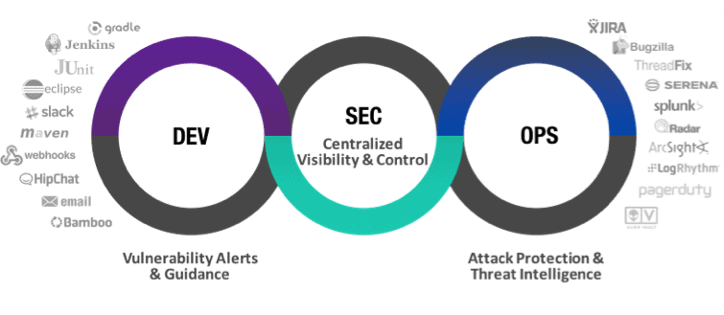
Benefits of DevSecOps Adoption
The adoption of DevSecOps brings numerous benefits, including faster delivery of secure applications, improved collaboration between teams, and reduced risk of security breaches. Organizations that embrace DevSecOps experience enhanced resilience against cyber threats.
Common Challenges in Implementing DevSecOps
While the benefits of DevSecOps are substantial, challenges exist. These may include resistance to cultural change, the need for specialized skills, and the integration of security measures without disrupting the development workflow.
Essential DevSecOps Tools
Static Application Security Testing (SAST)
SAST tools analyze the source code for security vulnerabilities during the development phase. They help identify potential issues before the code is compiled or executed.
Dynamic Application Security Testing (DAST)
DAST tools assess applications in their runtime environment, simulating real-world attacks. These tools provide insights into vulnerabilities that may only manifest during runtime.
Interactive Application Security Testing (IAST)
IAST tools combine aspects of SAST and DAST, providing real-time feedback on application security issues during development and testing.
Container Security Tools
Given the rise of containerization, security tools designed for containers ensure the secure deployment of applications in containerized environments.
Infrastructure as Code (IaC) Security
IaC security tools focus on securing infrastructure configurations, ensuring that cloud environments and infrastructure code are free from vulnerabilities.
Best Practices for Implementing DevSecOps
Collaboration and Communication
Effective communication and collaboration between development, operations, and security teams are crucial. Regular meetings, shared documentation, and cross-functional training foster a culture of collaboration.
Automation
Automation streamlines security processes, allowing for faster and more consistent security checks. Automated testing, code analysis, and deployment processes enhance the overall security posture.
Continuous Education and Training
Given the dynamic nature of cybersecurity, ongoing education and training are vital. Keeping teams informed about the latest security threats and best practices ensures they can adapt to evolving challenges.
Regular Security Audits
Scheduled security audits help organizations identify and address vulnerabilities proactively. Regular assessments also contribute to maintaining compliance with industry standards and regulations.
Real-world Examples of Successful DevSecOps Implementation
Several organizations have successfully implemented DevSecOps, including major tech companies and enterprises. These success stories highlight the tangible benefits of prioritizing security in the development process.
Future Trends in DevSecOps
The future of DevSecOps is promising, with emerging trends such as AI-driven security, increased focus on supply chain security, and the integration of security into low-code and no-code development platforms.
Conclusion
In conclusion, DevSecOps is a transformative approach that aligns development, operations, and security to create a more secure and efficient software development lifecycle. By embracing DevSecOps principles and leveraging the right tools, organizations can proactively address security challenges and deliver robust, secure applications to end-users.
Frequently Asked Questions (FAQs)
Is DevSecOps only relevant for large enterprises?
No, DevSecOps principles can be adapted to organizations of all sizes, providing benefits in terms of security and efficiency.
What are some challenges in implementing DevSecOps?
Challenges may include cultural resistance, the need for specialized skills, and integrating security measures seamlessly.
How can automation enhance DevSecOps practices?
Automation streamlines security processes, ensuring consistent and rapid security checks throughout the development lifecycle.
Are there specific industries where DevSecOps is more critical?
DevSecOps is essential across various industries, particularly those handling sensitive data, such as finance, healthcare, and government.
What role does continuous monitoring play in DevSecOps?
Continuous monitoring allows teams to detect and respond to security threats in real-time, enhancing overall security resilience.
Related/References
- DevOps Foundation Certification Exam: Everything You Need To Know
- Rugged DevOps & DevSecOps
- Practicing DevSecOps With Azure DevOps
- Top DevOps Tools 2019–2020
Next Task For You
Begin your journey towards becoming a DevOps Expert and earn a lot more by landing a high-paying job.
Join FREE CLASS to learn more about the DevOps Roles and Responsibilities, Job opportunities related to DevOps in the market, and what to study Including Hands-On labs and projects you must perform to get your Dream job.
Click on the below image to Register for Our FREE Class on Mastering DevOps on Cloud: How to Build In-Demand Skills and Land High-Paying Jobs


![Microsoft Agentic AI Business Solutions Architect [AB-100] | K21 Academy](https://test.k21academy.com/wp-content/uploads/2025/11/Microsoft-Agentic-AI-Business-Solutions-Architect-AB-100-Exam-Overview1.png)