



This blog post is the eighteenth blog Microsoft Azure Fundamentals Certification Series(AZ-900) of Topic 4: Azure Pricing & Support.
In this blog post, we’ll cover Topic 4.2 Planning & Managing Costs which includes:
- Purchasing Azure Products and Services
- Factors Affecting Costs
- Zones For Billing Purposes
- Pricing Calculator
- Total Cost Of Ownership Calculator
Cost management may not seem like a task for a technical person but it always helps to be able to perform it as it’s one of the crucial deciding factors of which service stack an enterprise decides to use and you may have to work on.

Purchasing Azure Products And Services
There are three main customer types on which the available purchasing options for Azure products and services are contingent:
- Enterprise: Enterprise customers sign an Enterprise Agreement with Azure that commits them to spend a negotiated amount on Azure services, which they typically pay annually.
- Web Direct: Web Direct customers sign up for Azure through the Azure website
- Cloud Solution Providers (CSPs): Typically are Microsoft partner companies that a customer hires to build solutions on top of Azure Payment and billing for Azure usage occurs through the customer’s CSP.
All three of these purchasing options provide different advantages such as discounts, usage allowances, etc.
Check out: Microsoft Azure provides governance features and services
Factors Affecting Costs

There are three primary factors affecting costs:
- Resource Type: Costs are resource-specific, so the usage that a meter tracks and the number of meters associated with a resource depend on the resource type.
- Services: Azure usage rates and billing periods can differ between Enterprise, Web Direct, and CSP customers.
- Location: The Azure infrastructure is globally distributed, and usage costs might vary between locations that offer Azure products, services, and resources.
Also Check: What is An Azure Resource Group? Click here
Zones For Billing Purposes
Azure datacenters are distributed globally and grouped under multiple zones, these zones also create a cost factor when data is transferred between them.
- Bandwidth: refers to data moving in and out of Azure datacenters. Some inbound data transfers are free, such as data going into Azure datacenters. For outbound data transfers – such as data going out of Azure datacenters, pricing is based on zones.
Below is the zone wise distribution of Azure datacenters:
- Zone 1: West US, East US, West Europe, and others.
- Zone 2: Australia Central, Japan West, Central India, and others.
- Zone 3: Brazil South only.
- DE Zone 1: Includes Germany Central and Germany Northeast.
Pricing Calculator
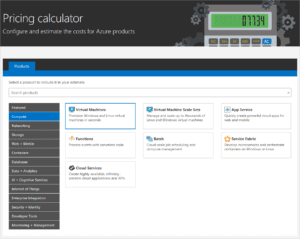
Provides a detailed estimate of the costs associated with your infrastructure configuration.
Total Cost Of Ownership (TCO) Calculator
The Azure pricing calculator is useful when you require a cost estimate of infrastructure that is already running on Azure.
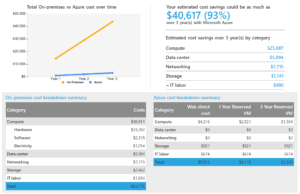
However, in a scenario where an Enterprise already has the infrastructure in place and is planning to move to the Cloud, they can define their workloads in the TCO Calculator and get an approximate cost of their monthly billing and also the total cost of infrastructure ownership over a period of 5 years with comparison to the on-premises costs they may face.
Related/References
- [AZ-900] Microsoft Azure Certification Fundamental Exam: Everything You Must Know
- Learn how to create a Free Microsoft Azure Trial Account
- [AZ-900] Microsoft Azure Fundamentals: Topic 1.1 Overview & Benefits
- Topic 2.1 Azure Architecture: Region, Availability Zone & Geography
- How to Register For [AZ-900] Microsoft Azure Fundamentals Certification Exam
- Topic 3.1 Microsoft Azure Secure Network Connectivity: Firewall, DDOS, & NSG
- Topic 3.2 Microsoft Azure Core Identity Services: AD & MFA
- Topic 3.3 Microsoft Azure Security Services: Security Center, Key Vault, AIP & ATP
Next Task For You
Begin your journey toward Mastering Azure Cloud and landing high-paying jobs. Just click on the register now button on the below image to register for a Free Class on Mastering Azure Cloud: How to Build In-Demand Skills and Land High-Paying Jobs. This class will help you understand better, so you can choose the right career path and get a higher paying job.


![Microsoft Agentic AI Business Solutions Architect [AB-100] | K21 Academy](https://test.k21academy.com/wp-content/uploads/2025/11/Microsoft-Agentic-AI-Business-Solutions-Architect-AB-100-Exam-Overview1.png)


