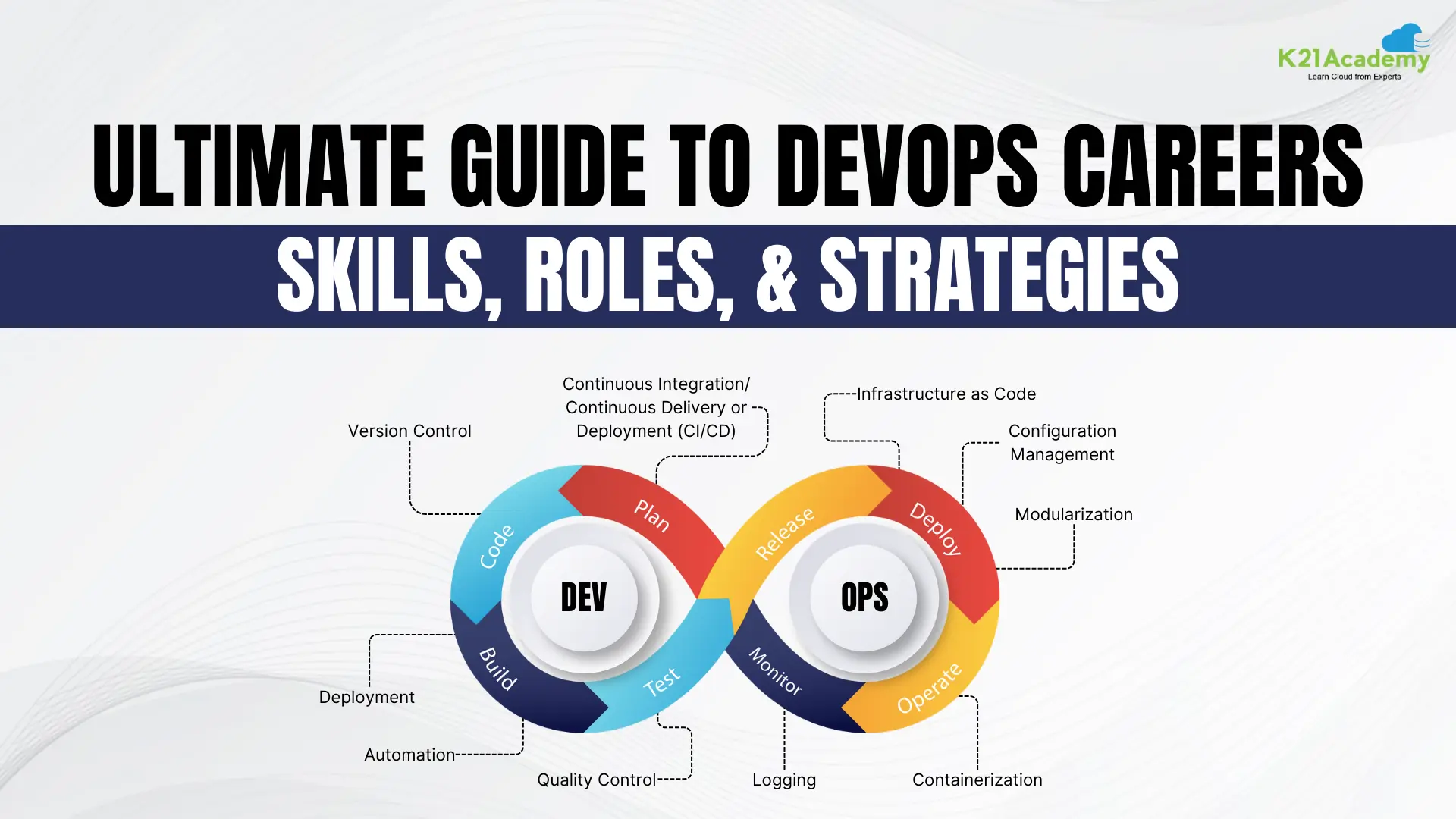





Are you ready to explore the vibrant world of DevOps? Whether you’re an enthusiastic newcomer or a seasoned professional aiming to sharpen your skills, you’ve landed in the perfect spot. Our comprehensive guide is meticulously curated to equip you with invaluable insights and resources essential for navigating the dynamic landscape of landing a job in DevOps.
Throughout this journey, you’ll learn the basics, uncover current trends, and grasp the potential opportunities in this rapidly evolving field. From understanding the fundamentals to strategizing your career path, we’ve got you covered.
Join us as we embark on an exciting journey, discovering endless opportunities in this field.
- Introduction to DevOps
- Global Demand for DevOps Professionals
- Emerging Roles and Specializations in DevOps
- Median Income for DevOps Job Roles
- Embarking on Your DevOps Journey
- Getting Ready for Your DevOps Interview
- Conclusion
- Frequently Asked Questions
Introduction to DevOps
DevOps, stemming from the fusion of “development” and “operations,” simplifies teamwork between software development and IT operations units. It fosters a culture of collaboration, communication, and continuous improvement, delivering high-quality software products efficiently.
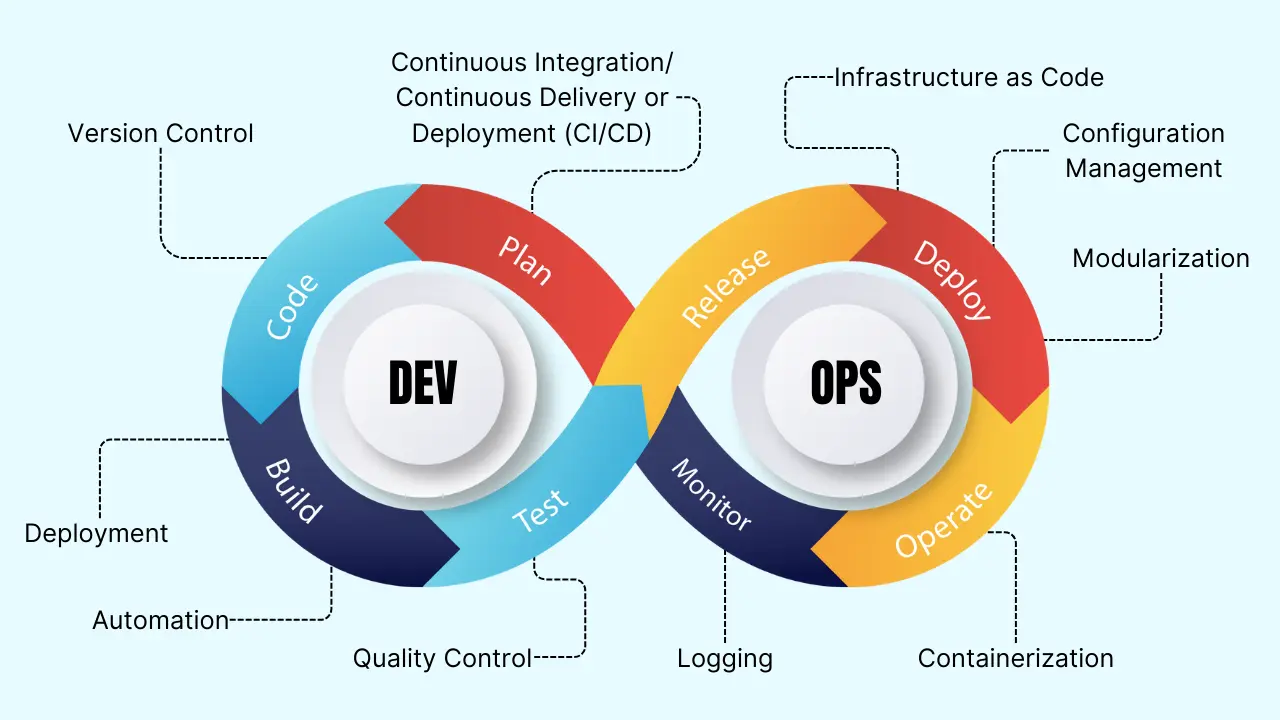 At its core, it aims to dismantle traditional silos between development and operations teams, enabling seamless collaboration throughout the software development lifecycle (SDLC). This collaboration spans from initial planning and coding phases to testing, deployment, operation, and ongoing monitoring for continuous enhancement.
Watch our video on Introduction to DevOps and Its Principles
Global Demand for DevOps Professionals
The increasing demand for DevOps professionals stems from the widespread adoption of DevOps practices across various industries. This demand is fueled by factors such as the need for streamlined development processes, enhanced collaboration between teams, and accelerated time-to-market for products and services. Additionally, the rise in job openings for DevOps roles, competitive salaries, and the surge in training and certification programs highlight the growing importance and popularity of DevOps in the IT landscape.
- Industry Adoption: DevOps has become a strategic focus for IT companies, startups, and enterprises worldwide. Organizations invest in DevOps initiatives to streamline their development processes, enhance collaboration, and accelerate time-to-market for products and services.
- Salary Trends: DevOps professionals command competitive salaries globally, reflecting the high demand for their expertise. Surveys and salary data from platforms like Glassdoor and PayScale, the median salary for DevOps engineers in India ranges from INR 6 to 15 lakhs per annum and from $40,000 to $150,000 per annum depending on factors such as experience, location, and industry. The image below is data taken from PayScale.

- Job Openings: Jobs portals and industry reports reflect a significant increase in jobs openings for DevOps roles worldwide. Platforms like Naukri.com, Indeed.com, and LinkedIn feature thousands of postings for DevOps engineers, architects, and related positions.
- Training and Certification: The demand for DevOps training and certification programs has surged globally. Leading IT training providers and online platforms offer a range of courses catering to professionals at different skill levels.
Emerging Roles and Specializations in DevOps
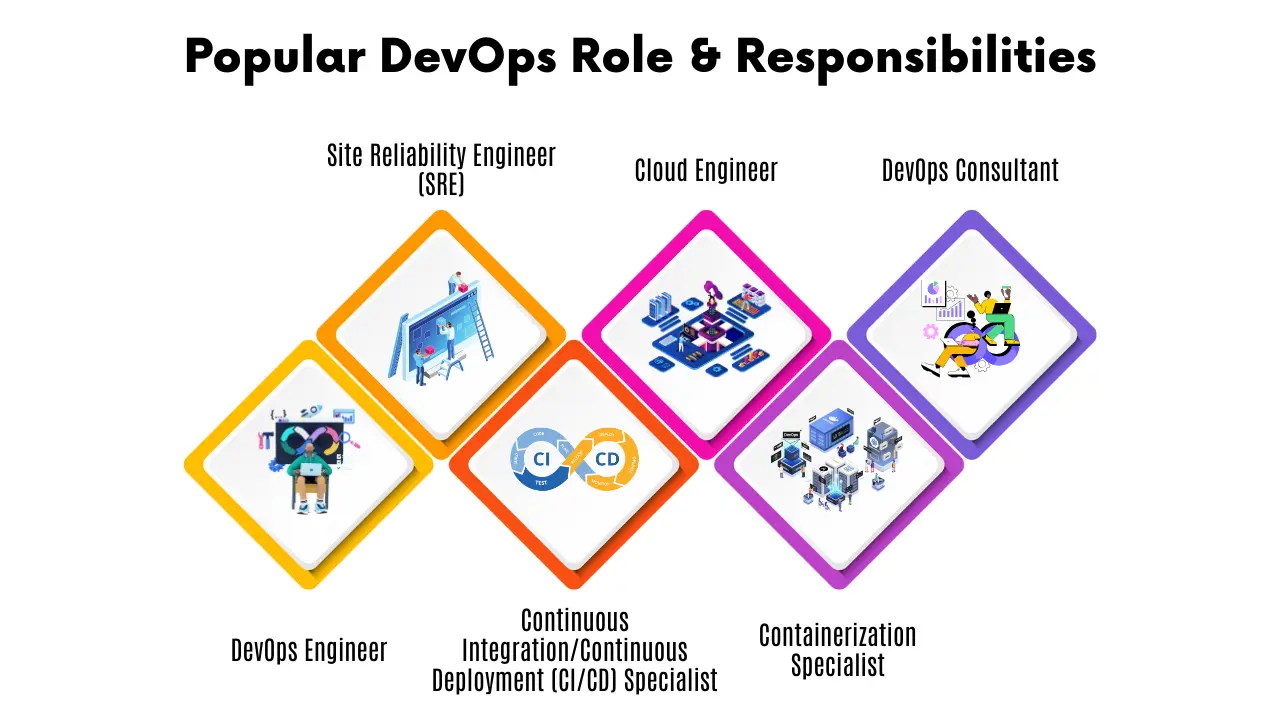
The demand for emerging roles and specializations in DevOps is driven by the evolving needs of modern software development. DevOps Engineers play a crucial role in bridging the gap between Software creation and IT operations team, ensuring efficient collaboration and faster delivery of quality software.
- DevOps Engineer: They coordinate smooth software development and delivery processes, ensuring effective collaboration among teams.
- Site Reliability Engineer (SRE): They safeguard website or application performance, using automation tools to maintain system stability.
- Release Manager: They oversee software release processes, ensuring seamless and timely deployments.
- Automation Architect: They design automated solutions for setting up and deploying software, saving time and reducing errors.
- Continuous Integration/Continuous Deployment (CI/CD) Specialist: They automate software delivery processes, making them faster and more reliable.
- Cloud Engineer: They design and manage cloud infrastructure, ensuring security, scalability, and efficiency.
- Containerization Specialist: They use technologies like Docker and Kubernetes to package applications for easy deployment and management.
- DevOps Consultant: They provide guidance to organizations adopting DevOps practices, facilitating efficient and collaborative workflows.
 Median Income for DevOps Job Roles
DevOps jobs come with varying pay based on your experience and where you work. In India, big cities like Mumbai, Bangalore, and Delhi are hotspots for DevOps work, offering good pay and lots of job opportunities.
Mumbai, Bangalore and Delhi
- Entry-Level (0-2 years of experience): INR 5 – 8 lakhs per annum: DevOps Engineer, Site Reliability Engineer (SRE)
- Mid-Level (3-5 years of experience): INR 10 – 15 lakhs per annum: Release Manager, Automation Architect
- Senior-Level (6+ years of experience): INR 18 – 25 lakhs per annum: DevOps Consultant, Cloud Engineer
Worldwide
The demand for DevOps expertise extends globally, with countries like the United States, United Kingdom, and Canada leading the way.
- United States: A hub for tech innovation, the U.S. offers attractive salaries for DevOps professionals. Entry-level positions typically range from $30,000 to $50,000 per annum, mid-level from $60,000 to $100,000 per annum, and senior level from $120,000 to $200,000 per annum.
- United Kingdom: With a growing tech sector, the UK presents promising opportunities for DevOps practitioners. Salaries vary, with entry-level positions averaging £30,000 to £40,000 per annum, mid-level from £50,000 to £70,000 per annum, and senior level from £80,000 to £120,000 per annum.
- Canada: Renowned for its quality of life and burgeoning tech scene, Canada attracts DevOps talent with competitive salaries. Entry-level roles typically offer CAD 60,000 to 80,000 per annum, mid-level from CAD 80,000 to 100,000 per annum, and senior level from CAD 100,000 to 150,000 per annum.
For further insight into DevOps salaries in these countries, you can explore websites like Glassdoor, PayScale, and Indeed.
Embarking on Your DevOps Journey
Embarking on a journey in DevOps is like stepping into a world of exciting opportunities and endless chances to learn and grow. As technology keeps changing, there’s a big demand for people who know DevOps stuff really well. So, let’s talk about what you need to know to get started and do well in this cool field.
- Forge a Solid Educational Path: Lay a sturdy foundation by pursuing a bachelor’s degree in computer science or a related field. This fundamental knowledge will serve as the bedrock for your DevOps career, equipping you with essential skills and insights.
- Master Technical Skills: Sharpen your expertise in crucial areas such as Linux, scripting languages, automation tools, containerization, and cloud platforms.
- Validate Your Skills: Stand out in the competitive landscape by earning relevant certifications like AWS Certified DevOps Engineer or Certified Kubernetes Administrator. These credentials not only validate your expertise but also demonstrate your commitment to excellence to potential employers.
- Explore Comprehensive Training Programs: Consider enrolling in specialized DevOps training programs like the DevOps Job Program, designed to provide immersive learning experiences and expert guidance. These programs offer invaluable insights and practical skills to propel your DevOps career forward.
- Embrace Continuous Learning and Networking: Stay abreast of industry trends, emerging technologies, and best practices through continuous learning. Engage with professionals, attend workshops, and participate in networking events to expand your knowledge and seize new career opportunities.
Your DevOps journey is not just about reaching a destination; it’s about embracing a culture of continuous improvement and innovation. With dedication, perseverance, and a thirst for knowledge, you can carve out a rewarding career in the dynamic world of DevOps.
Watch our video on the Roles and Responsibilities of a DevOps Engineer
Getting Ready for Your DevOps Interview
As you prepare to step into the world of DevOps, it’s essential to equip yourself with the right tools and knowledge to navigate the challenges ahead. Whether you’re transitioning from another field or starting fresh in the tech industry, understanding what to expect in a DevOps job interview can greatly enhance your chances of success. Here are some key tips to help you ace your DevOps interview:
- Grasp DevOps Concepts: Familiarize yourself with key DevOps principles like continuous integration, automation, and collaboration. Show how these concepts come to life in practical scenarios to demonstrate your understanding.
- Polish Technical Skills: Brush up on essential technical skills crucial for DevOps roles. This includes being comfortable with scripting languages like Python, having some knowledge of configuration management tools like Ansible or Chef, and hands-on experience with containerization platforms such as Docker. A basic understanding of cloud technologies like AWS or Azure is also beneficial.
- Practice Problem-Solving: Prepare to talk about past projects or challenges where you applied DevOps practices. Discuss how you identified and resolved issues, showcasing your problem-solving abilities and creative thinking.
- Emphasize Collaboration: Highlight your teamwork skills and ability to communicate effectively with different team members. Share examples of successful collaborations with developers, operations teams, and others, underscoring your role in achieving project objectives.
By mastering these areas and presenting yourself confidently, you’ll be well-prepared to tackle your DevOps job interview with ease and enthusiasm!
Watch our video on how to prepare yourself for a DevOps Interview
Conclusion
Diving into DevOps offers loads of chances to grow and succeed. By realizing the need for DevOps skills, learning what you need, and always learning more, you can step into a career in DevOps that’s truly fulfilling. It’s not just about your own journey; it’s about making big changes in the tech world. Every step you take isn’t just for you but for everyone involved. Ready to jump into this exciting adventure where every challenge is a chance, and every win is proof of your hard work?
Frequently Asked Questions
What is DevOps?
DevOps is a set of practices that aims to automate and integrate the processes between software development and IT operations teams. It fosters collaboration, communication, and continuous improvement throughout the software development lifecycle.
What are the key roles in DevOps?
Key roles in DevOps include DevOps Engineer, Site Reliability Engineer (SRE), Release Manager, Automation Architect, Continuous Integration/Continuous Deployment (CI/CD) Specialist, Cloud Engineer, Containerization Specialist, and DevOps Consultant.
What are the salary trends for DevOps professionals?
Salary trends for DevOps professionals vary based on factors such as experience, location, and industry. However, median incomes range from INR 5 to 25 lakhs per annum in India and from $30,000 to $200,000 per annum worldwide, depending on experience levels.
What skills are essential for a career in DevOps?
Essential skills for a career in DevOps include proficiency in scripting languages (e.g., Python, Shell), knowledge of automation tools (e.g., Ansible, Puppet), experience with cloud platforms (e.g., AWS, Azure), familiarity with containerization technologies (e.g., Docker, Kubernetes), and strong communication and collaboration skills.
How can I transition into a DevOps role from a different IT background?
To transition into a DevOps role, consider gaining relevant experience through projects or internships, acquiring certifications in DevOps tools and technologies, networking with professionals in the field, and showcasing transferable skills such as problem-solving and adaptability.
What are some popular DevOps tools and technologies?
Popular DevOps tools and technologies include Git for version control, Jenkins for continuous integration, Docker for containerization, Kubernetes for container orchestration, Ansible for configuration management, and Terraform for infrastructure as code (IaC).
How can I stay updated on DevOps trends and best practices?
Stay updated on DevOps trends and best practices by attending industry conferences and meetups, participating in online forums and communities, following thought leaders and influencers on social media, and engaging in continuous learning through courses and certifications.
Related References
- What Is DevOps
- What’s Next After DevOps Certifications
- Mastering DevOps on Cloud
- Step-by-Step DevOps Project Work for getting a Jobs
Next Task for You
Attend our FREE CLASS to explore DevOps Roles and Responsibilities, discover in-demand jobs opportunities, and gain insights into essential Hands-On labs and projects.
Register now for our FREE Class on Mastering DevOps on Cloud: Build In-Demand Skills and Secure High-Paying Jobs by clicking the image below.


![Microsoft Agentic AI Business Solutions Architect [AB-100] | K21 Academy](https://test.k21academy.com/wp-content/uploads/2025/11/Microsoft-Agentic-AI-Business-Solutions-Architect-AB-100-Exam-Overview1.png)