



Explore the dynamic synergy of DevOps in E-commerce as we delve into the transformative potential of streamlined processes, rapid deployments, and enhanced collaboration. Unleash the power of DevOps in E-commerce to revolutionize your online business landscape, in this blog we discuss how to maximize E-commerce potential with DevOps. Boost agility, scale seamlessly. Your guide to DevOps in E-commerce.
In this blog post, we will cover,
- Understanding DevOps
- Challenges in E-commerce Development
- How DevOps in E-commerce Addresses the Challenges
- Key Practices for DevOps in E-commerce
- Case Study 1: Continuous Integration and CI/CD Deployment for an Online Retailer
- Case Study 2: Implementing Infrastructure as Code (IaC) for Scalability
- Conclusion
Understanding DevOps
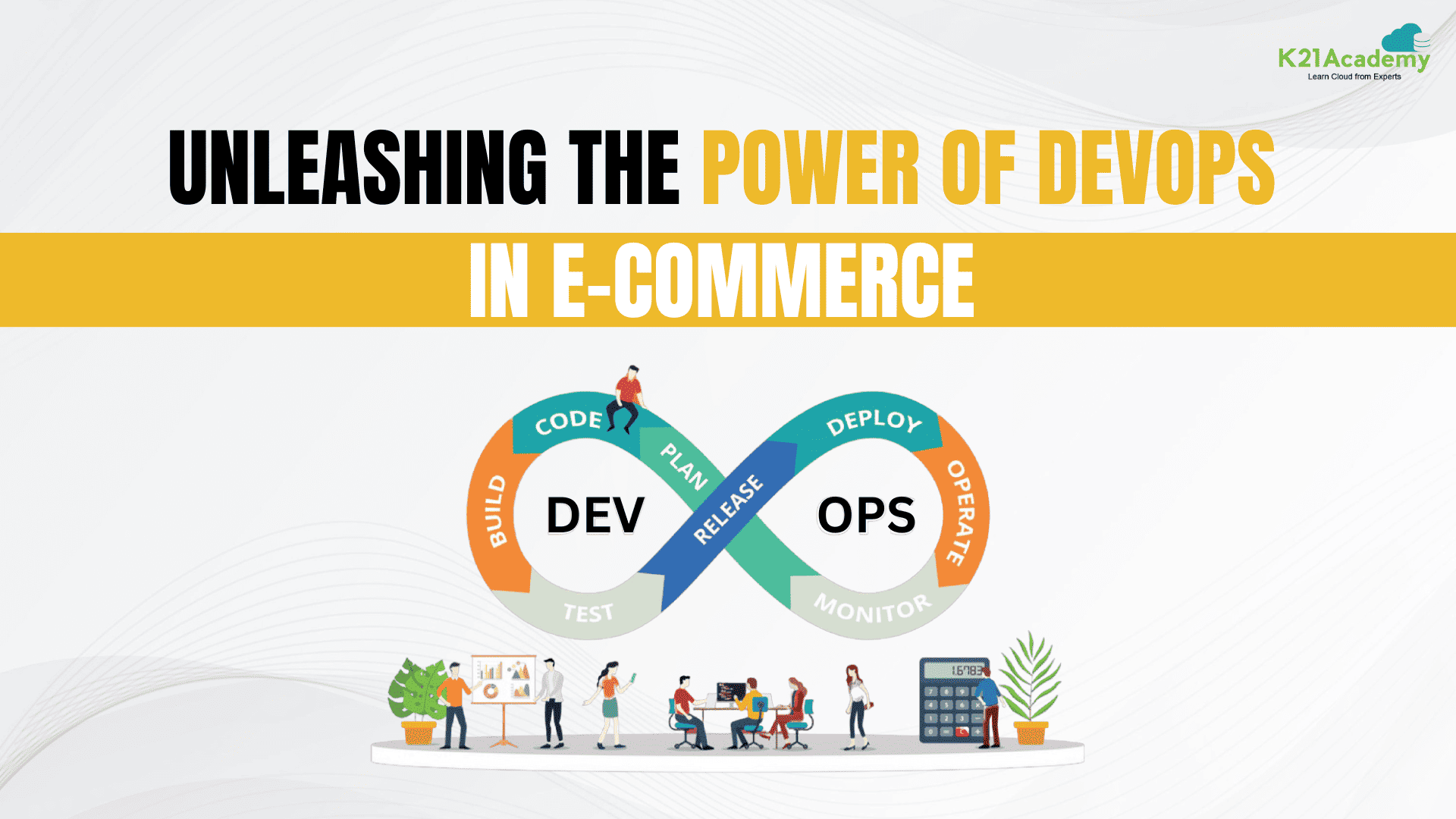
DevOps is a collaborative approach unifying software development and IT operations. It emphasizes automation, continuous integration, and continuous delivery to streamline the software development lifecycle. With a cultural focus on collaboration and shared responsibility, DevOps aims to enhance efficiency, reduce errors, and accelerate the delivery of high-quality software through improved communication and seamless integration of development and operations teams.
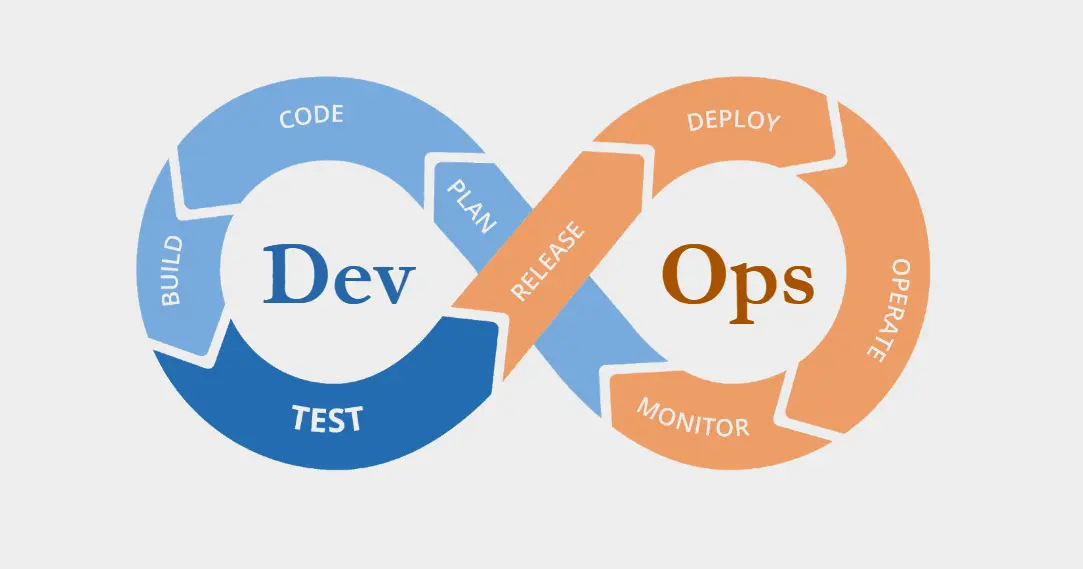
Key Principles of DevOps
- Automation: DevOps thrives on automation, boosting efficiency by streamlining tasks like code builds and testing. This ensures consistency, minimizes errors, and accelerates software development, delivering high-quality results promptly.
- Continuous Integration (CI): Continuous Integration(CI) in DevOps involves regularly integrating code changes, triggering automated builds and tests. This practice fosters collaboration, detects issues early, and ensures that code changes are continuously validated for seamless development.
- Continuous Deployment (CD) : DevOps extends CI with Continuous Deployment (CD), automating the release and deployment of validated code changes into production. This speeds up feature delivery, reduces deployment risks, and maintains a deployable state for consistent releases.
- Monitoring and Feedback: In DevOps, monitoring and feedback are pivotal. Real-time insights from continuous monitoring enable quick issue identification, informed decision-making, and ongoing improvement in the software development and delivery process.
Also Read: What is DevOps ?
Challenges in E-commerce Development
- Rapid Growth and Scalability: Ecommerce demands robust infrastructure for secure handling of increased traffic, transactions, and efficient software, adapting swiftly to rising demands with scalable solutions.
- Quick and Efficient Development Cycles: Agile methodologies and DevOps practices enable prompt feature updates, ensuring customer satisfaction, and optimizing the ecommerce platform for evolving market trends.
- Diverse Technology Stack: Ecommerce relies on a varied tech stack for front-end, back-end, and integrations, requiring careful selection and seamless communication to maintain compatibility and efficiency.
- The Need for Compatibility and Integration: Smooth ecommerce operation hinges on seamless integration, API standardization, and cross-platform compatibility, ensuring a consistent user experience and adaptability across systems.
How DevOps in E-commerce Addresses the Challenges
- Streamlined Development with CI/CD: Continuous Integration (CI) ensures seamless code integration, while Continuous Deployment (CD) automates releases, accelerating development. Etsy’s implementation showcases faster releases, reduced lead time, and improved collaboration.
- Automation for Efficiency: DevOps automation, exemplified by tools like Ansible and Puppet, minimizes errors and speeds up processes in E-commerce. Amazon’s use of automation ensures high availability and operational reliability.
- Specific DevOps tools relevant to E-commerce: Jenkins, Docker, Kubernetes, and monitoring tools like Prometheus enhance E-commerce DevOps, enabling efficient CI/CD, containerization, scaling, and performance monitoring for optimal user experiences.
Also check out our blog: What is CI/CD pipeline ?
Key Practices for DevOps in E-commerce
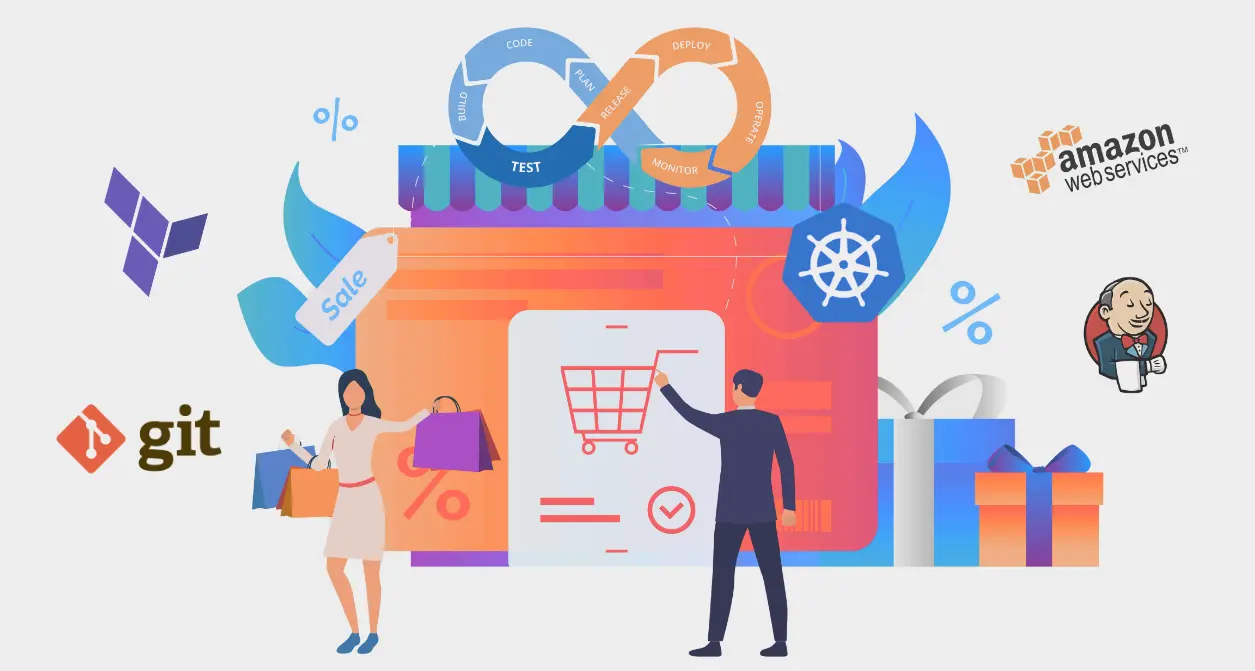
DevOps Practices for Security and Compliance in E-commerce
DevOps integrates security in E-commerce by automating compliance checks, ensuring continuous monitoring, and fostering collaboration between development and operations teams.
1. Automated Compliance Checks:
- Integrate compliance checks in CI/CD for rapid identification of issues.
- Automated scans ensure adherence to E-commerce regulations and security standards.
- Early detection minimizes compliance risks and accelerates development cycles.
2. Immutable Infrastructure:
- Treat infrastructure as code for consistency and traceability.
- Implement IaC to enforce security baselines and ensure compliance.
3. Shift-Left Security:
- Embed security measures early in the development process.
- Utilize static code analysis and threat modeling for proactive security.
Monitoring and Feedback Loops
DevOps employs monitoring to track performance in E-commerce, utilizing feedback loops to enhance responsiveness, optimize processes, and ensure continuous improvement.
1. Significance of Monitoring in E-commerce:
- Monitor key performance indicators (KPIs) such as conversion rates, bounce rates, and customer satisfaction scores.
- Utilize analytics tools to track sales trends, inventory levels, and order fulfillment metrics.
- Identify bottlenecks and areas of inefficiency in the e-commerce process through continuous monitoring.
2. Feedback Loops for User Satisfaction:
- Collect user feedback through surveys, reviews, and customer support interactions.
- Analyze feedback to identify pain points and areas for improvement.
- Implement feedback loops to incorporate user suggestions and enhance the overall user experience.
Check out our blog : Exploring the Power of Serverless DevOps
Case Study 1: Continuous Integration and CI/CD Deployment for an Online Retailer
Background:
EcoScale Retail is a large online retailer with a diverse product catalog. They faced challenges in delivering new features and updates to their e-commerce platform quickly and reliably. Their manual deployment process was time-consuming and prone to errors, leading to downtime during updates.
DevOps Solution:
EcoScale Retail adopted a CI/CD pipeline to automate their build, test, and deployment processes. The pipeline integrated with their version control system and automated testing tools. Developers could now commit code changes with confidence, knowing that automated tests would be triggered, and any issues would be detected early in the development lifecycle.
Results:
- Faster Release Cycles: With automated testing and deployment, EcoScale Retail reduced the time taken to release new features and updates from weeks to days.
- Increased Reliability: Automated tests ensured that only high-quality code was deployed to production, reducing the likelihood of post-release issues.
- Minimized Downtime: Continuous Deployment allowed for updates to be rolled out seamlessly, minimizing downtime and improving the overall customer experience.
Case Study 2: Implementing Infrastructure as Code (IaC) for Scalability
Background:
ABC Fashion, an emerging e-commerce startup, experienced rapid growth, leading to increased traffic on their website. Their infrastructure was not scalable, resulting in performance issues during peak times. Manual scaling processes were time-consuming and error-prone.
DevOps Solution:
ABC Fashion adopted Infrastructure as Code (IaC) to automate the provisioning and scaling of their infrastructure. They used tools like Terraform and Ansible to define infrastructure configurations as code. This allowed them to scale resources up or down based on demand, ensuring optimal performance during peak periods.
Results:
- Improved Scalability: ABC Fashion could dynamically scale their infrastructure in response to varying workloads, ensuring consistent performance during high-traffic events.
- Reduced Manual Errors: IaC eliminated manual intervention in the scaling process, reducing the risk of configuration errors and improving overall system reliability.
- Cost Optimization: The ability to scale resources on-demand allowed ABC Fashion to optimize infrastructure costs by only utilizing resources when needed.
Please read our blog on: Infrastructure as Code: A complete Overview
Conclusion
In conclusion, DevOps in E-commerce is a pivotal force revolutionizing and seamlessly tackling challenges through collaboration, automation, and continuous improvement. Explored from its foundational principles to its real-world impact in case studies, DevOps not only enhances technical efficiency but instigates a cultural shift. By ensuring security, compliance, and rapid adaptation, it becomes a strategic imperative for sustainable growth in the competitive E-commerce landscape. Embracing the DevOps culture is not just a choice; it’s a roadmap to innovation, resilience, and enduring success
Frequently Asked Questions
What is DevOps in e-commerce?
DevOps streamlines collaboration, accelerates feature delivery, and improves system reliability, enhancing overall performance in e-commerce environments.
How does DevOps benefit e-commerce?
DevOps speeds up development, improves collaboration, and ensures reliable e-commerce systems, leading to faster feature deployment and an enhanced user experience.
Key challenges of e-commerce DevOps?
Challenges include legacy system integration, managing large datasets, ensuring security and compliance, and overcoming organizational resistance to change.
How does DevOps improve e-commerce scalability?
DevOps, with IaC and automated scaling, optimizes resource scaling based on demand, ensuring e-commerce platforms perform efficiently during peak times.
Recommended tools for e-commerce DevOps?
Jenkins, Git, Docker, Kubernetes, and monitoring solutions like Prometheus are commonly used in e-commerce DevOps pipelines, adapting to specific technology stack requirements.
Related/References
- What Is DevOps | DevOps Principles | Advantages Of DevOps | Why DevOps?
- Agile Methodology and DevOps | DevOps and Agile Relationship
- DevOps Best Practices
- What Is DevOps? AWS DevOps For Beginners
- [AZ-400] Microsoft Azure DevOps Certification Exam: Everything You Need To Know
- Certified Kubernetes Administrator (CKA) Certification Exam: Everything You Must Know
Next Task For You
Begin your journey towards becoming a DevOps Expert and earn a lot more by landing a high-paying job.
Join FREE CLASS to learn more about the DevOps Roles and Responsibilities, Job opportunities related to DevOps in the market, and what to study Including Hands-On labs and projects you must perform to get your Dream job.
Click on the below image to Register for Our FREE Class on Mastering DevOps on Cloud: How to Build In-Demand Skills and Land High-Paying Jobs


![Microsoft Agentic AI Business Solutions Architect [AB-100] | K21 Academy](https://test.k21academy.com/wp-content/uploads/2025/11/Microsoft-Agentic-AI-Business-Solutions-Architect-AB-100-Exam-Overview1.png)