




In the fast-paced world of technology, understanding the collaboration between IoT and DevOps is crucial. IoT refers to the interconnectedness of devices through the internet, enabling them to communicate and share data. DevOps, on the other hand, is a set of practices that aim to automate and improve the collaboration between software development and IT operations teams. The synergy between these two domains holds the potential to bring about a paradigm shift in the way we approach development processes.
In this blog, we are going to cover
- Understanding IoT
- Exploring DevOps
- The Synergy Between IoT and DevOps
- Benefits of IoT and DevOps Integration
- Challenges in Integrating IoT and DevOps
- Best Practices for IoT and DevOps Collaboration
- Real-world Examples of Successful Integration
- Future Trends in IoT and DevOps Collaboration
- Conclusion
Understanding IoT
IoT encompasses a vast network of physical devices embedded with sensors, software, and other technologies to collect and exchange data. From smart homes to industrial sensors, IoT has permeated various aspects of our lives. Understanding the key components and real-world applications of IoT is crucial to grasping its role in collaboration with DevOps.

Key Components and Devices
IoT devices range from simple sensors to complex interconnected systems. These devices often include sensors to collect data, connectivity options such as Wi-Fi or Bluetooth, and embedded software for processing information.
Real-world Applications
The applications of IoT are diverse, spanning across industries. From smart cities optimizing traffic flow to wearable devices tracking health metrics, IoT has the potential to enhance efficiency and improve our daily lives.
Exploring DevOps
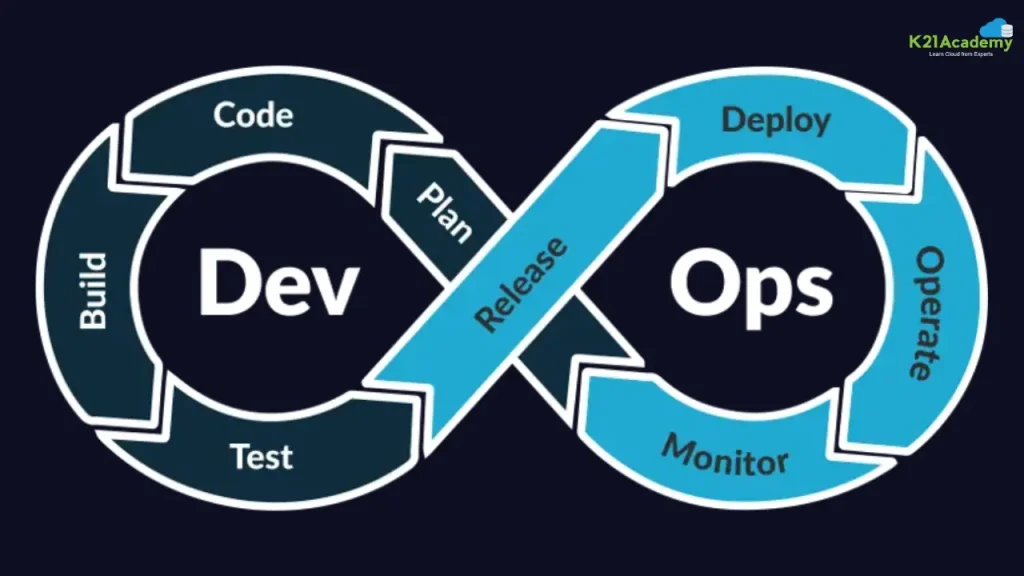
DevOps is a set of practices that aims to automate and streamline the processes of software development and IT operations. It emphasizes collaboration and communication between development and operations teams, fostering a culture of continuous integration and delivery.
Principles of DevOps
DevOps operates on several principles, including collaboration, automation, and a focus on delivering value to customers. By breaking down silos between development and operations, DevOps seeks to create a more efficient and agile development pipeline.
Key Practices in DevOps
DevOps practices include continuous integration, continuous delivery, and continuous deployment. These practices ensure that software is developed and deployed in a streamlined and automated manner, reducing the time it takes to bring new features to users.
The Synergy Between IoT and DevOps
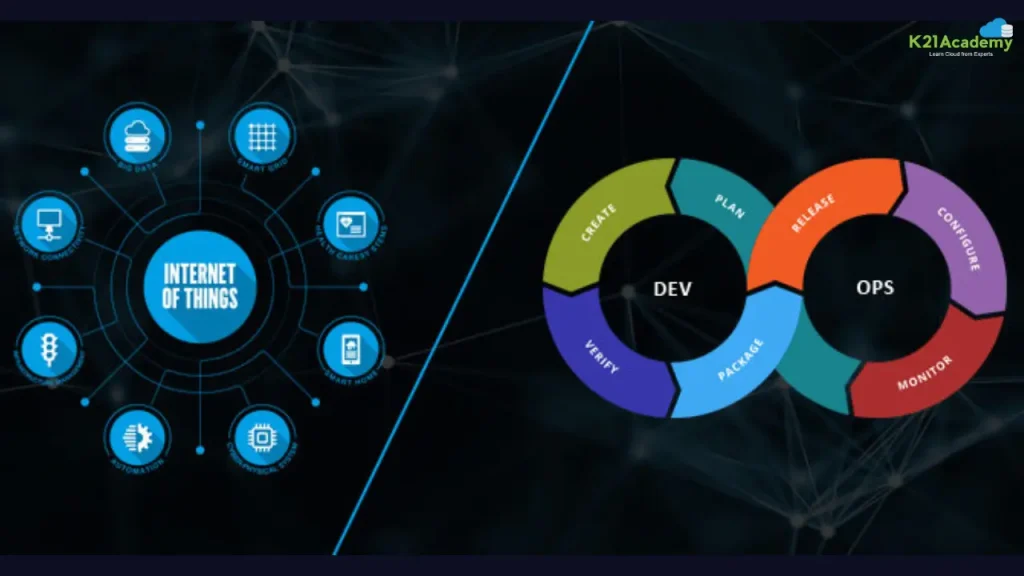
The collaboration between these brings about a seamless integration of development, deployment, and management processes. This synergy is marked by:
Streamlined Development Processes
The integration of these streamlines the development lifecycle, enabling faster iterations and quicker responses to market demands. Teams can work collaboratively, ensuring that changes are implemented smoothly.
Enhanced Collaboration and Communication
DevOps fosters a culture of collaboration, breaking down traditional barriers between development and operations. When applied to IoT, this collaboration ensures that device development aligns with operational requirements, leading to more reliable and effective solutions.
Continuous Integration and Deployment
The continuous integration and deployment practices of DevOps align perfectly with the iterative nature of IoT development. Updates and improvements can be seamlessly integrated into the IoT ecosystem, ensuring that devices are always running on the latest and most efficient software.
Benefits of IoT and DevOps Integration
Improved Efficiency:
-
- Collaboration between IoT and DevOps reduces manual intervention.
- Automates repetitive tasks in both software development and device deployment.
- Accelerates the development lifecycle.
Faster Time to Market:
-
- Streamlining development processes ensures continuous integration.
- Enables quicker bringing of IoT projects to market.
- Especially crucial in the rapidly evolving landscape of technology.
Better Quality Control:
-
- DevOps practices, like continuous testing, enhance quality control.
- Thorough testing before deployment reduces the risk of bugs and vulnerabilities in IoT devices.
Challenges in Integrating IoT and DevOps
While the collaboration between IoT and DevOps offers numerous advantages, it also comes with its set of challenges that need to be addressed.
Security Concerns:
-
- Interconnected IoT devices pose security risks.
- DevOps practices should prioritize robust security measures.
- Safeguarding data and preventing unauthorized access are crucial.
Compatibility Issues:
-
- Ensuring compatibility between diverse IoT devices is challenging.
- DevOps teams should establish protocols for seamless integration.
- Addressing compatibility issues during updates is essential.
Scalability Challenges:
-
- Growing IoT ecosystems present scalability concerns.
- DevOps practices need to adapt to the increasing complexity of IoT deployments.
- Accommodating the scale of IoT systems is a key consideration.
Best Practices for IoT and DevOps Collaboration
To overcome the challenges and maximize the benefits of IoT and DevOps collaboration, certain best practices should be followed.
Establishing a Cross-functional Team:
-
- Creation of a team with expertise in both.
- Facilitates effective communication and collaboration.
- Bridges the gap between development and operations.
- Fosters a holistic approach to project management.
Implementing Automation:
-
- Automation is a core principle of DevOps.
- Integration of automation into IoT development processes.
- Ensures consistency and reduces errors.
- Accelerates time to market for IoT solutions.
Prioritizing Security Measures:
-
- Security is a top priority in IoT-DevOps collaboration.
- Implementation of robust security measures.
- Inclusion of encryption and access controls.
- Essential for safeguarding sensitive data in IoT environments.
Real-world Examples of Successful Integration
Several companies have successfully integrated IoT and DevOps, resulting in improved efficiency and innovation.
Case Studies
Company A: Optimizing Industrial Processes
Company A implemented DevOps practices in conjunction with IoT to optimize their industrial processes. The continuous monitoring and integration of data from IoT devices allowed for real-time adjustments, reducing downtime and increasing overall efficiency.
Company B: Enhancing Healthcare Solutions
In the healthcare sector, Company B integrated IoT devices with DevOps practices to enhance patient monitoring systems. This integration led to faster updates, improved device reliability, and better patient outcomes.
Future Trends in IoT and DevOps Collaboration
The collaboration between IoT and DevOps is expected to evolve further with emerging technologies and practices.
Evolving Technologies:
-
- Advancements in edge computing, machine learning, and 5G connectivity.
- Significant role in shaping the future of IoT and DevOps collaboration.
Emerging Practices:
-
- Adoption of new practices, such as AIOps.
- Integration into the collaboration between IoT and DevOps.
- Further optimization of development and operational processes is expected.
Conclusion
In conclusion, the collaboration between both represents a transformative force in the world of technology. By streamlining development processes, enhancing collaboration, and embracing continuous integration, this synergy offers numerous benefits. However, it is essential to address challenges such as security concerns and compatibility issues. As technology continues to evolve, the integration of these will play a pivotal role in shaping innovative solutions and driving progress.
FAQs
Is it necessary for every company to integrate IoT and DevOps?
While not mandatory, the integration offers significant benefits in terms of efficiency, speed, and quality control.
How can companies overcome security concerns in IoT-DevOps collaboration?
Companies should prioritize robust security measures, including encryption and access controls, to safeguard sensitive data.
What role does automation play in the collaboration between IoT and DevOps?
Automation is crucial for consistency, error reduction, and accelerating time to market in IoT development processes.
Are there any specific industries where the collaboration between IoT and DevOps is more prevalent?
Industries such as manufacturing, healthcare, and smart cities commonly leverage the collaboration for process optimization.
What are the key future trends in IoT and DevOps collaboration?
Future trends include advancements in edge computing, machine learning, and the integration of AIOps for further optimization.
Related/References
- [DOFD] DevOps Foundation Certification Exam: Everything You Need To Know
- [AZ-400] Microsoft Azure DevOps Certification Exam: Everything You Need To Know
- Check out the official DevOps Institute page for [DOFD] DevOps Foundation here
- Certified Kubernetes Administrator (CKA) Certification Exam: Everything You Must Know
Next Task For You
Begin your journey towards becoming a DevOps Expert and earn a lot more by landing a high-paying job.
Join FREE CLASS to learn more about the DevOps Roles and Responsibilities, Job opportunities related to DevOps in the market, and what to study Including Hands-On labs and projects you must perform to get your Dream job.
Click on the below image to Register for Our FREE Class on Mastering DevOps on Cloud: How to Build In-Demand Skills and Land High-Paying Jobs


![Microsoft Agentic AI Business Solutions Architect [AB-100] | K21 Academy](https://test.k21academy.com/wp-content/uploads/2025/11/Microsoft-Agentic-AI-Business-Solutions-Architect-AB-100-Exam-Overview1.png)