


In this blog, we’ll be exploring multiple multi-cloud projects that are designed to enhance your expertise and showcase your abilities in the cloud computing world. Whether you’re a seasoned pro or just starting out, these hands-on projects will provide valuable experience and leave you with an impressive portfolio to share with potential employers. Let’s dive in and start building your path to success!
Below is the list of Projects:
- Project 1 – Building a Flexible and Scalable Load Balancer in AWS with Terraform
- Project 2 – Automating Azure Infrastructure (Virtual Network, Subnet, and Load Balancer) Setup with Terraform
- Project 3: AWS DevOps (CI/CD): Elastic Beanstalk, GIT, Code Build/Pipeline
- Project 4: Azure DevOps (CI/CD): WebApp, GIT, Terraform, Azure Pipeline
- Project 5: Google DevOps (CI/CD): Terraform, GCR, CloudBuild to deploy apps on GKE
- Project 6: Multi-Cloud (AWS & Azure): Configure Multi-Cloud with Active-Active Deployment
- Project 7: DevOps (Jenkins): Jenkins, Git, Docker, Maven
- Project 8: Migrate Application & Database from On-Premise to AWS Cloud using AMS & DMS
- Project 9: Migrate Applications from Monolithic to Microservices on Cloud
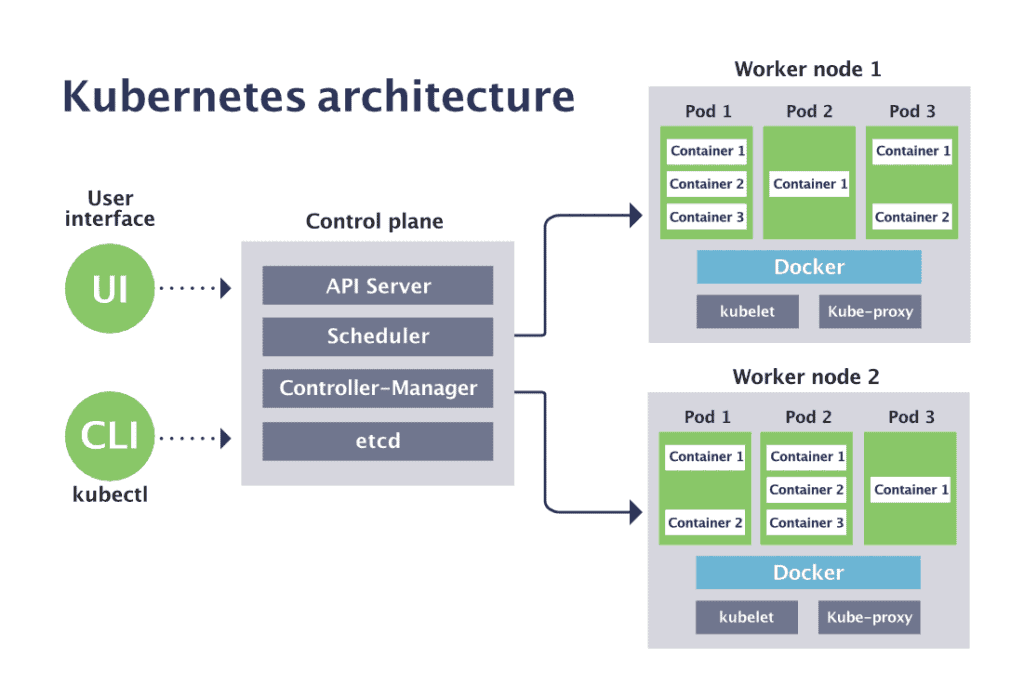
- Project 10: Deploy your Workloads on Docker and Kubernetes
Let’s discuss all of them in brief:
Project 1: Building a Flexible and Scalable Load Balancer in AWS with Terraform
Objective: Create a highly available and scalable load-balancing solution using AWS services and Terraform infrastructure as code. This project aims to design and implement a resilient infrastructure that can efficiently distribute incoming traffic across multiple instances, ensuring optimal performance and availability for applications hosted on AWS. By leveraging Terraform, the goal is to automate the provisioning and configuration of load-balancing resources, enabling seamless scalability and easier management of the infrastructure.
Skills:
- AWS Services: Understanding of Elastic Load Balancing (ELB) or Application Load Balancer (ALB), Auto Scaling Groups (ASG), and related AWS networking services.
- Terraform: Proficiency in writing Terraform configurations to provision and manage AWS infrastructure.
- High Availability: Knowledge of designing and implementing fault-tolerant architectures for scalable applications.
- Infrastructure Automation: Ability to automate infrastructure provisioning and configuration using Terraform.

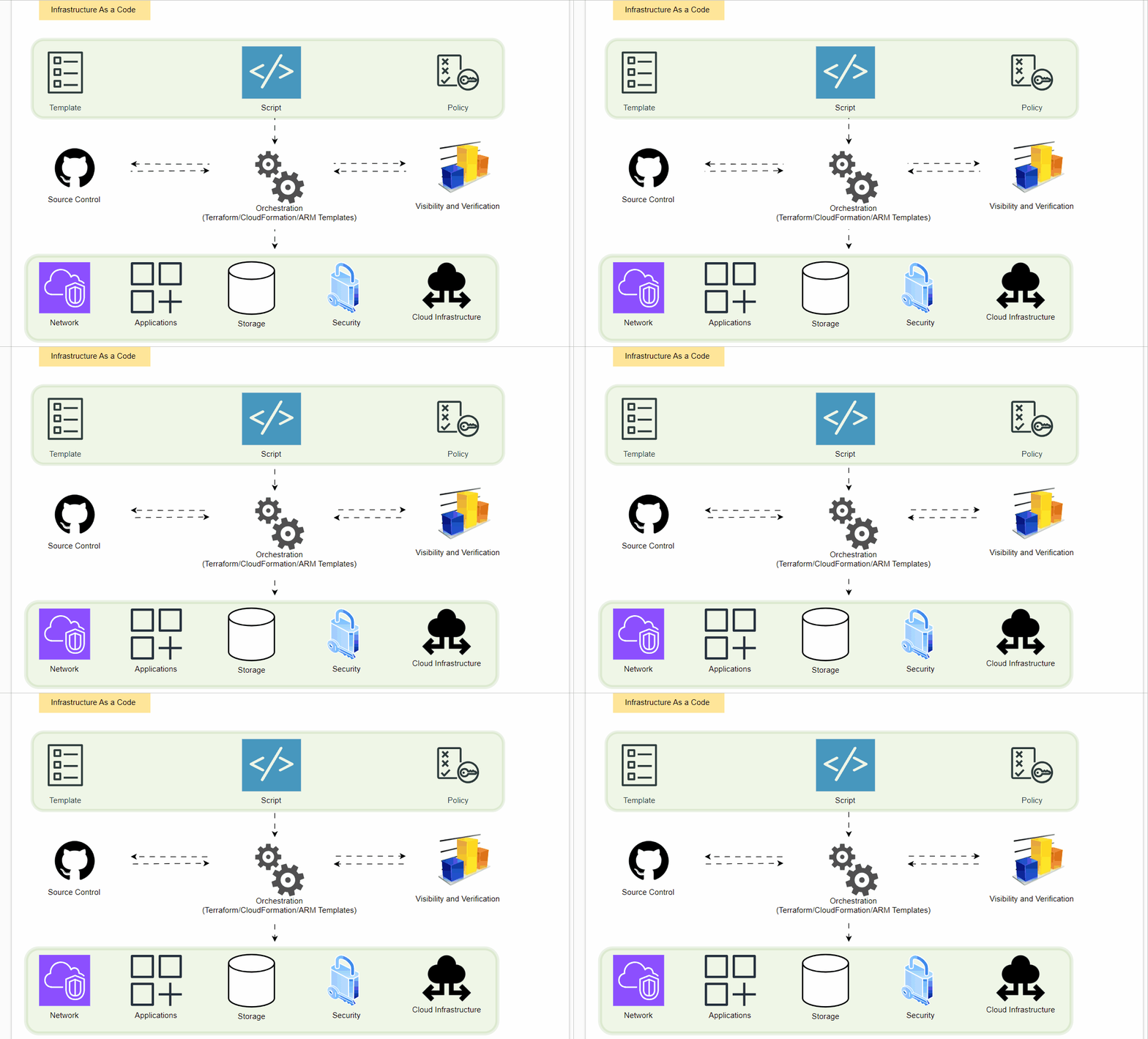
Project 2: Automating Azure Infrastructure Setup with Terraform
Objective: Automate the deployment of Azure virtual networks, subnets, and load balancers using Terraform. The objective of this project is to streamline the process of setting up networking infrastructure on Azure by utilizing Terraform’s infrastructure as code capabilities. By defining the desired state of the Azure resources in Terraform configuration files, the project aims to achieve consistency, repeatability, and version control in the deployment process. Through automation, the goal is to reduce manual errors, accelerate deployment times, and improve overall infrastructure management on Azure.
Skills acquired:
- Azure Services: Familiarity with Azure Virtual Network, Subnets, Load Balancer, and other Azure networking services.
- Terraform on Azure: Ability to use Terraform to provision and manage Azure resources.
- Infrastructure as Code (IaC): Understanding of infrastructure automation principles and best practices.
- Azure Resource Management: Proficiency in managing Azure resources programmatically using Terraform.
Project 3: AWS DevOps (CI/CD) with Elastic Beanstalk, GIT, and CodePipeline
Objective: Implement a CI/CD pipeline for AWS applications using Elastic Beanstalk, Git, and AWS CodePipeline. This project aims to establish an automated software delivery pipeline on AWS, facilitating the continuous integration, testing, and deployment of applications. By leveraging Elastic Beanstalk for application deployment, Git for version control, and AWS CodePipeline for orchestrating the CI/CD workflow, the objective is to streamline the release process, increase deployment frequency, and enhance overall software quality on AWS.
Skills acquired:
- Git Version Control: Understanding of version control concepts and proficiency in using Git for source code management.
- AWS CodePipeline: Ability to set up and configure CI/CD pipelines on AWS for automated software delivery.
- Continuous Integration & Deployment: Experience in automating build, test, and deployment processes for AWS applications.
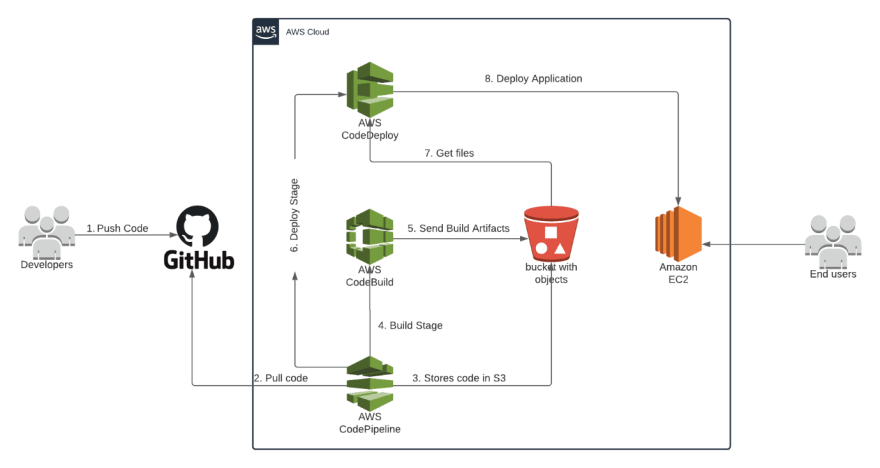
Project 4: Azure DevOps (CI/CD) with WebApp, GIT, Terraform, and Azure Pipeline
Objective: Establish a CI/CD pipeline for Azure Web Apps using Git, Terraform, and Azure Pipelines. The objective of this project is to implement a robust CI/CD process for deploying web applications on Azure, leveraging Azure Web App services. By integrating Git repositories for version control, Terraform for infrastructure automation, and Azure Pipelines for orchestrating the build and deployment workflows, the goal is to achieve faster time-to-market, improved code quality, and greater operational efficiency on Azure.
Skills acquired:
- Azure Web Apps: Understanding of Azure’s platform-as-a-service offering for hosting web applications.
- Terraform on Azure: Proficiency in using Terraform for infrastructure automation on the Azure platform.
- Azure Pipelines: Experience in setting up and configuring Azure Pipelines for building, testing, and deploying applications.
- Azure Resource Management: Ability to manage Azure resources and deploy applications programmatically using Terraform and Azure Pipelines.

Project 5: Google DevOps (CI/CD) with Terraform, GCR, and Cloud Build for GKE Deployment
Objective: Implement CI/CD workflows for deploying applications on Google Kubernetes Engine (GKE) using Terraform, Google Container Registry (GCR), and Cloud Build. This project aims to establish a continuous delivery pipeline for containerized applications on Google Cloud Platform (GCP), leveraging Kubernetes orchestration. By utilizing Terraform for infrastructure provisioning, GCR for container image storage, and Cloud Build for automated builds and deployments, the objective is to achieve rapid and reliable application deployments on GKE, enabling scalability and agility in cloud-native environments.
Skills acquired:
- Google Kubernetes Engine (GKE): Knowledge of container orchestration on Google Cloud Platform.
- Google Cloud Services: Understanding of Google Container Registry (GCR) and Cloud Build for building and deploying containerized applications.
- Terraform on GCP: Proficiency in using Terraform to provision and manage resources on Google Cloud Platform.
- CI/CD on GCP: Experience in setting up CI/CD pipelines for GKE deployments using Cloud Build and other Google Cloud services.
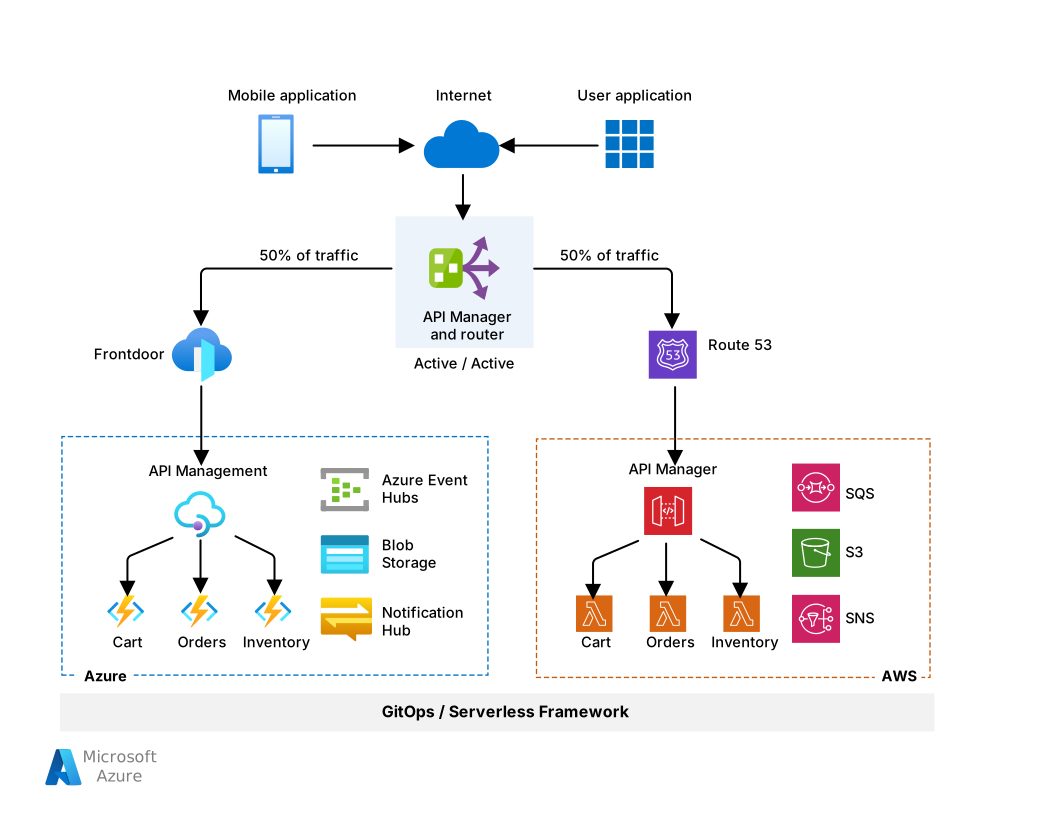
Project 6: Multi-Cloud (AWS & Azure) with Active-Active Deployment
Objective: Configure multi-cloud infrastructure with active-active deployment across AWS and Azure for high availability and disaster recovery. This project aims to design and implement a resilient architecture that spans multiple cloud providers, ensuring continuous availability and redundancy. By deploying applications across both AWS and Azure environments and utilizing active-active deployment strategies, the objective is to minimize downtime and mitigate risks associated with cloud outages or failures. Through careful configuration and automation, the project seeks to achieve seamless failover and optimal performance across multiple cloud platforms.
Skills acquired:
- Multi-Cloud Architecture: Understanding of designing and implementing solutions that span across multiple cloud providers.
- Cloud Networking: Knowledge of establishing connectivity and load balancing across different cloud environments.
- High Availability & Disaster Recovery: Experience in implementing active-active deployment strategies for ensuring continuous availability.
- Infrastructure Automation: Proficiency in using tools like Terraform for provisioning and managing multi-cloud infrastructure.
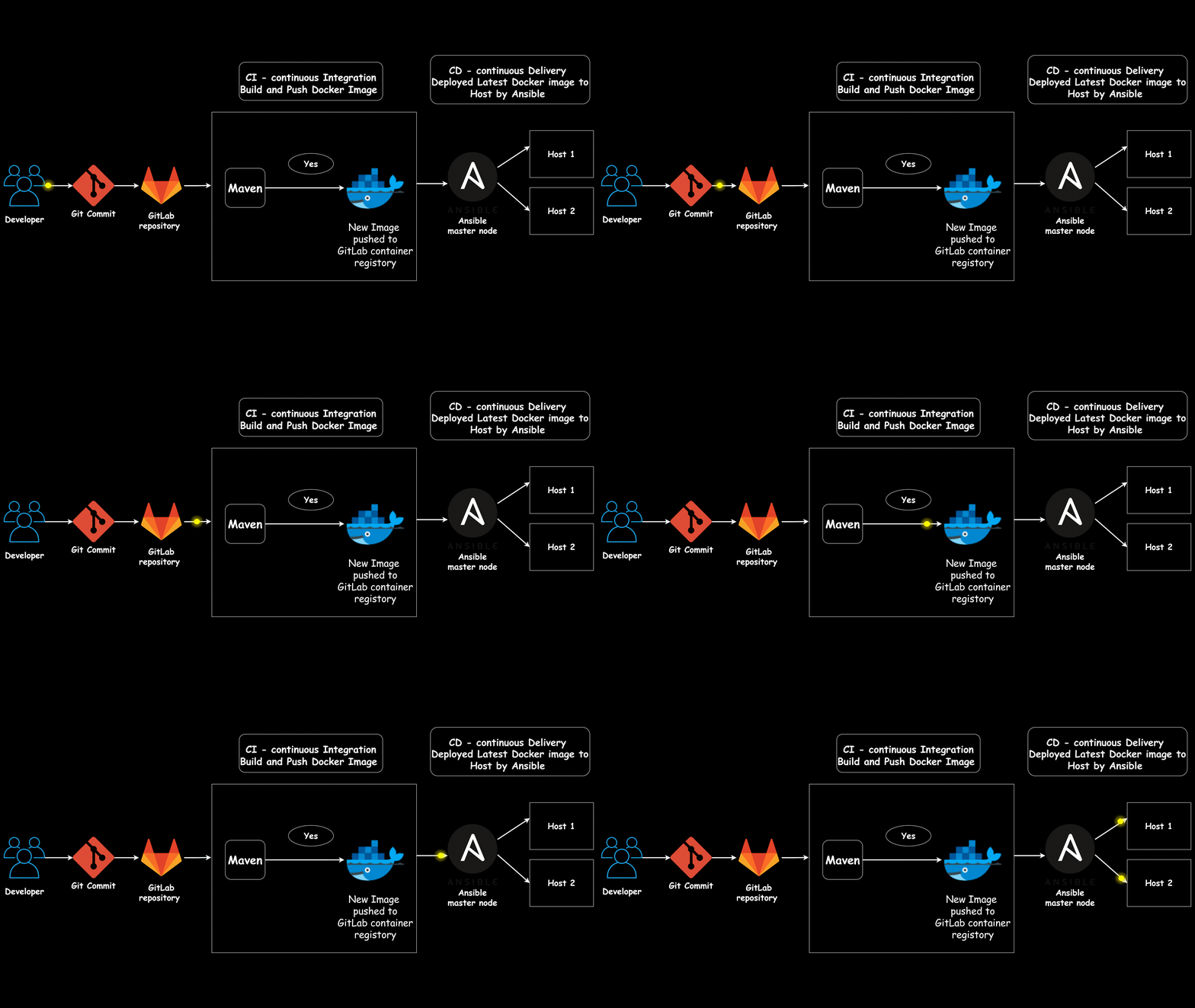
Project 7: DevOps with Jenkins, Git, Docker, and Maven
Objective: Set up a DevOps pipeline using Jenkins, Git, Docker, and Maven for building, testing, and deploying applications. The objective of this project is to establish a robust CI/CD pipeline that automates the software development lifecycle, from code commit to production deployment. By leveraging Jenkins for automation and orchestration, Git for version control, Docker for containerization, and Maven for project management and build automation, the goal is to accelerate the release cycle, improve code quality, and enhance collaboration among development teams. Through automation and standardization, the project aims to streamline the delivery process and enable rapid iteration and deployment of applications.
Skills acquired:
- Continuous Integration (CI): Understanding of CI principles and practices for automating software development processes.
- Jenkins: Proficiency in configuring Jenkins pipelines for automating build, test, and deployment workflows.
- Docker: Knowledge of containerization technology and its role in ensuring consistency across development, testing, and production environments.
- Maven: Experience in using Maven for project management and building automation in Java-based applications.
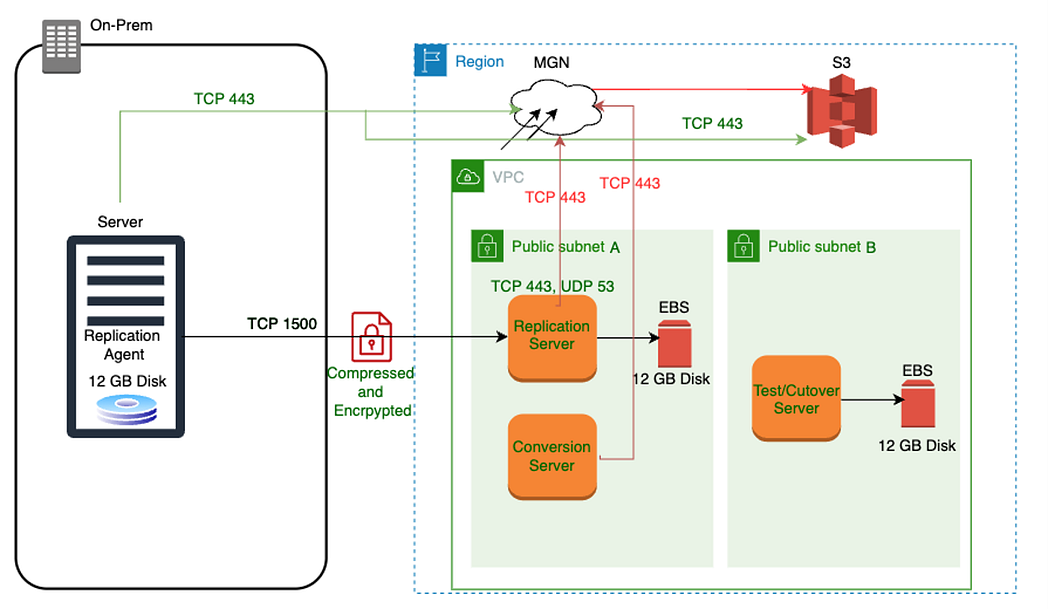
Project 8: Migrate Application & Database from On-Premise to AWS Cloud using AMS & DMS
Objective: Migrate existing applications and databases from on-premise infrastructure to AWS Cloud using AWS Migration Services (AMS) and Database Migration Service (DMS). This project aims to facilitate the migration of on-premise workloads to the cloud, leveraging AWS migration tools and services. By utilizing AWS Migration Hub, Database Migration Service (DMS), and Server Migration Service (SMS), the objective is to simplify the migration process, minimize downtime, and ensure data integrity and consistency. Through careful planning and execution, the project seeks to enable organizations to leverage the scalability, agility, and cost-effectiveness of the AWS Cloud while maintaining business continuity and data security.
Skills acquired:
- Cloud Migration: Understanding of the migration process and best practices for moving workloads to the cloud.
- AWS Migration Services: Proficiency in using AWS Migration Hub, Database Migration Service (DMS), and Server Migration Service (SMS) for migrating applications and databases to AWS.
- Database Migration: Experience in migrating on-premise databases to managed services on AWS using DMS.
- Application Migration: Knowledge of strategies and tools for migrating on-premise applications to cloud-native platforms like AWS.
Project 9: Migrate Applications from Monolithic to Microservices on Cloud
Objective: Refactor monolithic applications into microservices architecture and deploy them on cloud platforms for improved scalability and flexibility. The objective of this project is to modernize existing applications by decomposing them into smaller, independently deployable microservices, leveraging cloud-native technologies and architectures. By containerizing individual components using Docker and orchestrating them with Kubernetes, the goal is to achieve greater agility, scalability, and resilience in application deployments. Through refactoring and migration to microservices, the project aims to enable organizations to better meet evolving business requirements and accelerate innovation in cloud environments.
Skills acquired:
- Microservices Architecture: Understanding of microservices principles and patterns for building distributed systems.
- Container Orchestration: Experience in deploying and managing microservices using container orchestration platforms like Kubernetes.
- Cloud-native Technologies: Familiarity with cloud-native databases, storage solutions, and service mesh technologies for supporting microservices architectures.
- Refactoring & Decomposition: Proficiency in breaking down monolithic applications into smaller, independently deployable microservices.

Project 10: Deploy Workloads on Docker and Kubernetes
Objective: Containerize applications using Docker and deploy them on Kubernetes clusters for efficient resource utilization and scalability. This project aims to leverage containerization and orchestration technologies to streamline application deployment and management in cloud environments. By containerizing applications using Docker images and deploying them on Kubernetes clusters, the objective is to achieve greater efficiency, scalability, and portability across different environments. Through automation and standardization of deployment workflows, the project seeks to enable organizations to optimize resource utilization, improve scalability, and accelerate time-to-market for their applications.
Skills acquired:
- Containerization: Understanding of containerization concepts and technologies, particularly Docker.
- Kubernetes: Proficiency in setting up and managing Kubernetes clusters for container orchestration.
- CI/CD Pipelines: Integration of Docker and Kubernetes deployments into CI/CD pipelines for automated software delivery.
Related References
- AWS Cloud Job Oriented Program: Step-by-Step Hands-on Labs & Projects
- Job Oriented Azure Cloud Program: Step-by-Step Hands-on Lab & Projects
- Google Professional Cloud Architect: Step-By-Step Hands-On Guide
- DevOps Job Oriented: Step-by-Step Activity Guide (Hands-on Lab) & Project Work for Getting a Job
- Docker & Kubernetes: Step-by-Step Activity Guide (Hands-on Lab) & Project Work for getting a Job
- Microsoft Azure Data on Cloud Job Oriented Step By Step Activity Guides (Hands-On Labs) & Projects
Next Task For You
If you are also interested and want to know more about DevOps Multicloud, register for a Free Class.


![Microsoft Agentic AI Business Solutions Architect [AB-100] | K21 Academy](https://test.k21academy.com/wp-content/uploads/2025/11/Microsoft-Agentic-AI-Business-Solutions-Architect-AB-100-Exam-Overview1.png)